Introduction
The relationship between Buddhism and Tantra often sparks curiosity among practitioners and scholars alike. In exploring the question, did Buddha believe in Tantra? we can uncover profound insights into spiritual practices that have evolved over centuries. The essence of both traditions highlights a journey toward inner peace and healing.
Understanding Tantra: What Is It?
To navigate the intersection between Buddhism and Tantra, we must first understand what Tantra actually entails. Originating in ancient India, Tantra encompasses a rich collection of rituals, spiritual practices, and philosophies designed to awaken consciousness and transform energy. Unlike many traditional practices, Tantra does not separate the spiritual from the physical; instead, it embraces both as a unified experience.
The Roots of Tantra
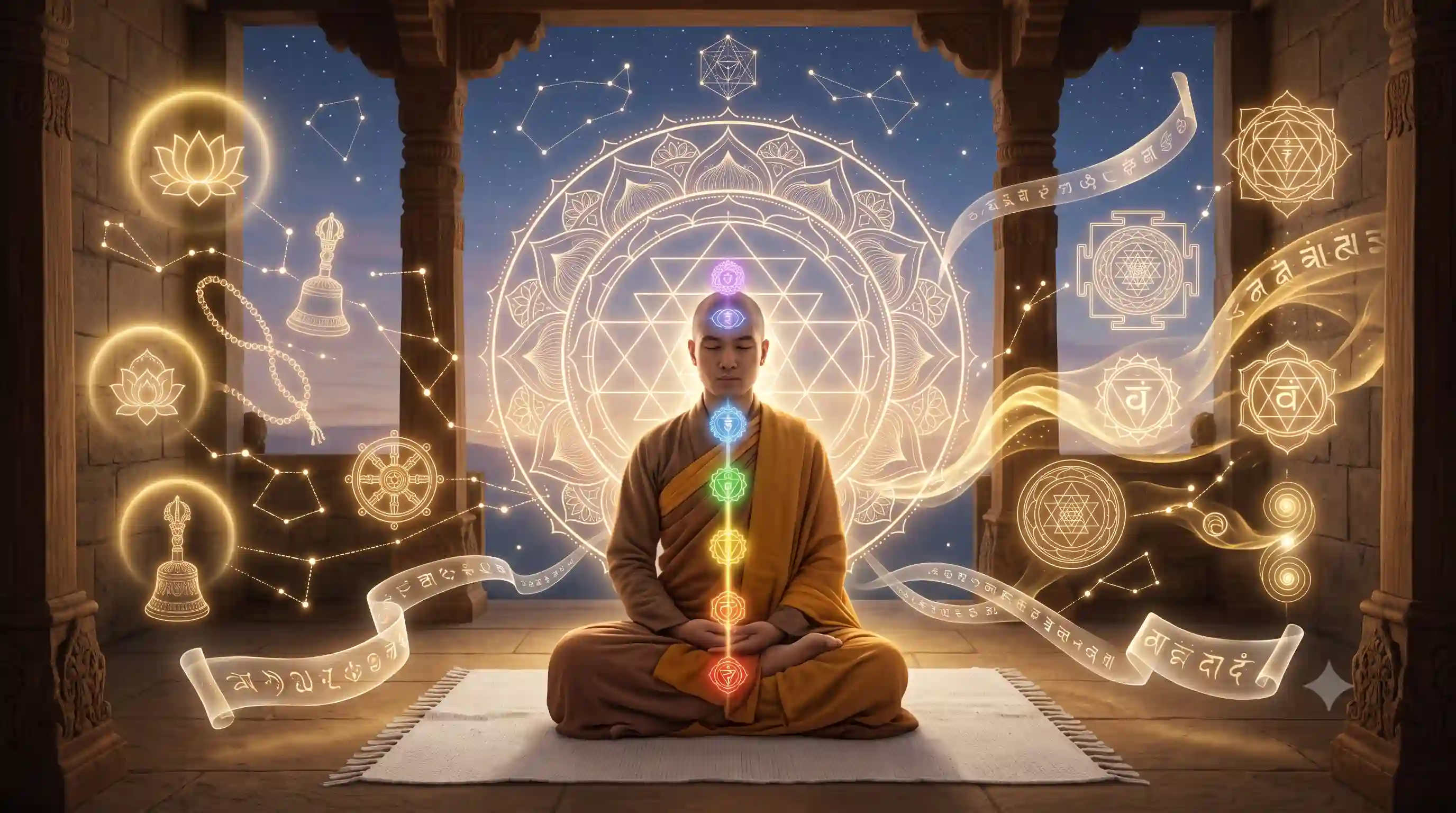
Tantra originates from texts known as Tantras, emphasizing the use of meditation, visualization, and mantras to connect with the divine. Its methods are deeply rooted in the search for enlightenment, similar to the goals of Buddhism.
Myth vs. Fact: Tantra and Buddhism
Misconceptions about Tantra often overshadow its true essence. Let's clear up some prevalent myths:
- Myth: Tantra is purely sexual. Fact: While some interpretations may involve sexuality, it fundamentally revolves around spiritual awakening.
- Myth: Buddha rejected Tantra outright. Fact: Historical texts suggest that while Buddha may have distanced himself from certain practices, he acknowledged the importance of various paths, potentially including aspects of Tantra.
Case Study: The Intersection of Healing and Spirituality
In India, many individuals have experienced the benefits of Tantra Healing Sessions. For instance, Priya, a 30-year-old software engineer from Bangalore, turned to Tantra after years of stress and anxiety. Through tailored sessions, she experienced a resurgence of energy and clarity in her life. This narrative illustrates how individuals can incorporate practices aligned with both Buddhist and Tantric philosophies for profound healing.
Exploring Spiritual Healing Therapy in India
In India, spiritual healing thrives in various forms, often integrating techniques from both Buddhism and Tantra. Spiritual Healing Therapy India aims to address mental, emotional, and physical ailments using compassionate, holistic approaches.
The Role of Authenticity
Finding genuine practitioners is crucial. Authentic Tantra therapy can significantly influence an individual’s healing journey. Always seek professional Tantra therapists in India who adhere to the true principles of the practice.
Why is Tantra Therapy Gaining Popularity?
Recent trends show a rising interest in Tantra therapy as a viable means of holistic healing. People in India are becoming increasingly aware of the benefits of integrating physical and spiritual wellness. Workshops, retreats, and sessions that focus on this practice are booming, offering individuals a chance to explore deeper layers of consciousness, often coupled with elements of Buddhist meditation.
Real-Life Applications: Stories of Transformation
Many individuals across India, such as Raj, have successfully integrated Tantra into their lives. After attending a retreat focused on Tantric practices, he found not just relaxation but also a clearer understanding of his life purpose. This transformative journey, while grounded in Tantra, resonates deeply with Buddhist teachings about awareness and presence.
Practical Steps for Beginners
If you're intrigued by exploring Tantra, here are some practical steps:
- Educate yourself: Read extensively about Tantra techniques and their alignments with Buddhism.
- Start slow: Consider attending beginner workshops or Tantra therapy sessions.
- Reflect: Regular meditation can help integrate your experiences, deepening your connection to both practices.
FAQs: The Intersection of Buddhism and Tantra
1. Are all Tantric practices aligned with Buddhism?
No, while there are overlaps, not all Tantric practices are aligned with Buddhism. Each tradition has distinct beliefs and goals.
2. Can Tantra be practiced independently of Buddhism?
Yes, Tantra can be pursued as an independent practice, but understanding its relationship with Buddhism can enhance the experience.
3. What can I expect from a Tantra healing session?
Sessions typically involve guided meditation, breathwork, and rituals aimed at promoting healing and self-awareness.
4. Is there a reliance on physical touch in Tantra?
While some practices include physical elements, the focal point remains on energy exchange and spiritual connection.
5. How to choose a Tantra therapist?
Seek recommendations, consider their qualifications, and ensure they have a deep understanding of both Tantric and Buddhist principles through professional training.
Conclusion
As we delve deeper into the question, did Buddha believe in Tantra?, it becomes clear that while there may not be explicit endorsements, the core philosophies share a mutual respect for the journey of enlightenment. By merging the teachings of both Buddhism and Tantra, individuals can embark on a path of profound spiritual healing and transformation.