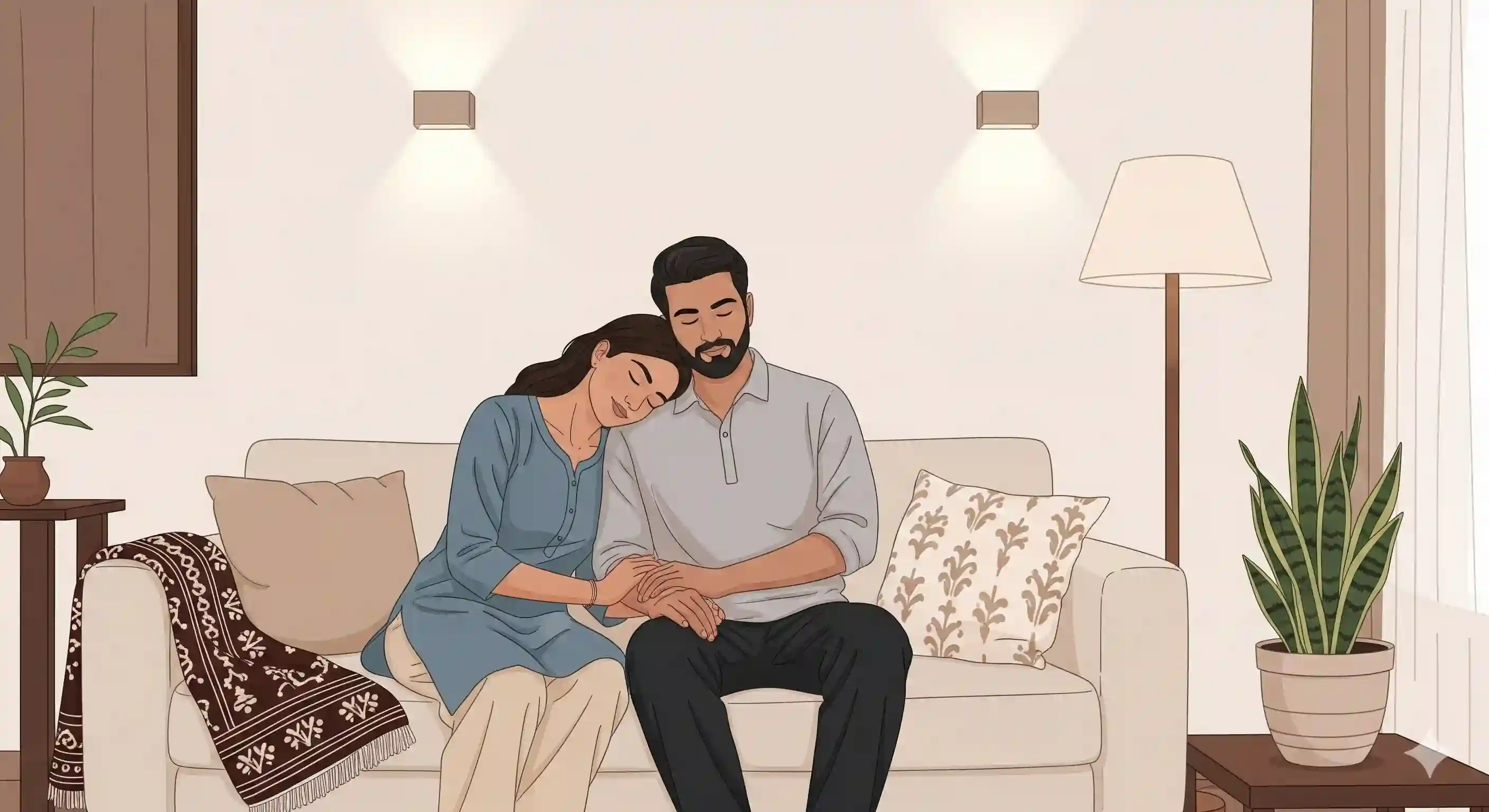
1. What Makes Cuddle Therapy "Safe"?
Safety in cuddle therapy is defined by the "Professional Container." This means the session exists within a strict set of rules that distinguish it from social or romantic touch. Safety is maintained through three layers:
-
Physical Safety: Secure locations and clear attire.
-
Emotional Safety: A judgment-free zone where feelings are validated.
-
Legal Safety: Adherence to local laws regarding platonic touch.
2. The "Ask and Wait" Model: The Gold Standard of Consent
In professional sessions, consent is not a one-time signature; it is an ongoing dialogue.
-
The Ask: Every move—from holding a hand to a full hug—must be verbally requested.
-
The Wait: The practitioner waits for a clear, enthusiastic "Yes."
-
The Right to Revoke: Both parties have the absolute right to change their mind at any second, for any reason, without explanation.
3. Physical Boundaries: What is "Rated G" Touch?
Professional cuddle therapy is strictly platonic. To maintain this, practitioners use the "Swimsuit Rule" or "Rated G" standards.
| Zone | Policy |
| Clothing | Minimum of T-shirt and knee-length shorts (no lingerie/swimwear). |
| Off-Limit Areas | Any area typically covered by a swimsuit (genitals, breasts). |
| Prohibited Actions | No kissing, no exchange of saliva, and no sexualized movement. |
| Arousal Management | If physical arousal occurs (a natural biological response), the session is paused to reset or change positions. |
4. The Screening Process: Protecting Both Parties
A genuine cuddle therapist will never agree to a session without a vetting process. This usually involves:
-
Initial Inquiry Form: Questions about your therapeutic goals and history with touch.
-
Video Call: A 10–15 minute "vibe check" to ensure mutual comfort.
-
Identity Verification: Both parties often provide ID to ensure accountability.
5. Professional Ethics & The Code of Conduct
Most professional cuddlers follow a code of ethics (like those from Cuddlist or Cuddle Sanctuary). These include:
-
Confidentiality: What happens in the cuddle room stays there.
-
Boundaries of Competence: Therapists recognize they are not psychologists or doctors; they refer out for clinical mental health issues.
-
Sober Presence: Neither party may be under the influence of drugs or alcohol.
6. Hygiene and Environment Standards
Physical comfort is impossible without a clean environment. Standards include:
-
Personal Hygiene: Both parties must be freshly showered and free of strong perfumes or cigarette smoke.
-
Clean Spaces: Using fresh linens for every client and professional studio settings rather than "hidden" residential areas.
-
Barriers: In some clinical settings, a thin sheet or barrier may be used between the practitioner and the client.
7. Emotional Safety & The "Vulnerability Hangover"
Touch can trigger deep emotions—crying, laughing, or even sudden anxiety. Professional practitioners are trained in emotional holding. They provide a space where you can process these feelings without being judged, ensuring you don't feel "exposed" after the session ends.
8. Recognizing Red Flags: When to Walk Away
Safety also means knowing when a service isn't professional. Be wary of:
-
Lack of Screening: If they agree to meet "right now" without a call or form.
-
Suggestive Photos: If their marketing materials focus on "attractiveness" rather than wellness.
-
Vague Boundaries: If they cannot clearly define their "No" zones.
-
Private/Non-Commercial Locations: If they insist on a location that doesn't feel like a professional workspace.
9. The Legality of Platonic Touch
Is it legal? Yes. In most jurisdictions (including major Indian hubs like Hyderabad), professional cuddle therapy is classified as a wellness or coaching service.
Note: By maintaining strict "clothes-on" policies and a non-sexual intent, cuddle therapy remains distinct from regulated industries like massage or adult services, ensuring a safe legal standing for both the therapist and the client.
Final Thoughts
Cuddle therapy is safe because it is predictable. When everyone knows the rules, the body can finally drop its guard. This "predictable proximity" is exactly what allows the nervous system to heal.
