1. The Core Question: Is Tantra Therapy Legal in India?
Yes. Under Indian law, Tantra massage and therapy fall under the broad category of spa services, wellness treatments, and alternative bodywork. There is no law in India that prohibits somatic therapy, energy healing, or full-body massages. The practice is entirely legal as long as it strictly adheres to local municipal guidelines and does not cross into illicit activities.
2. Defining Tantra Therapy Under Indian Law
The law differentiates strictly between therapeutic bodywork and adult entertainment.
-
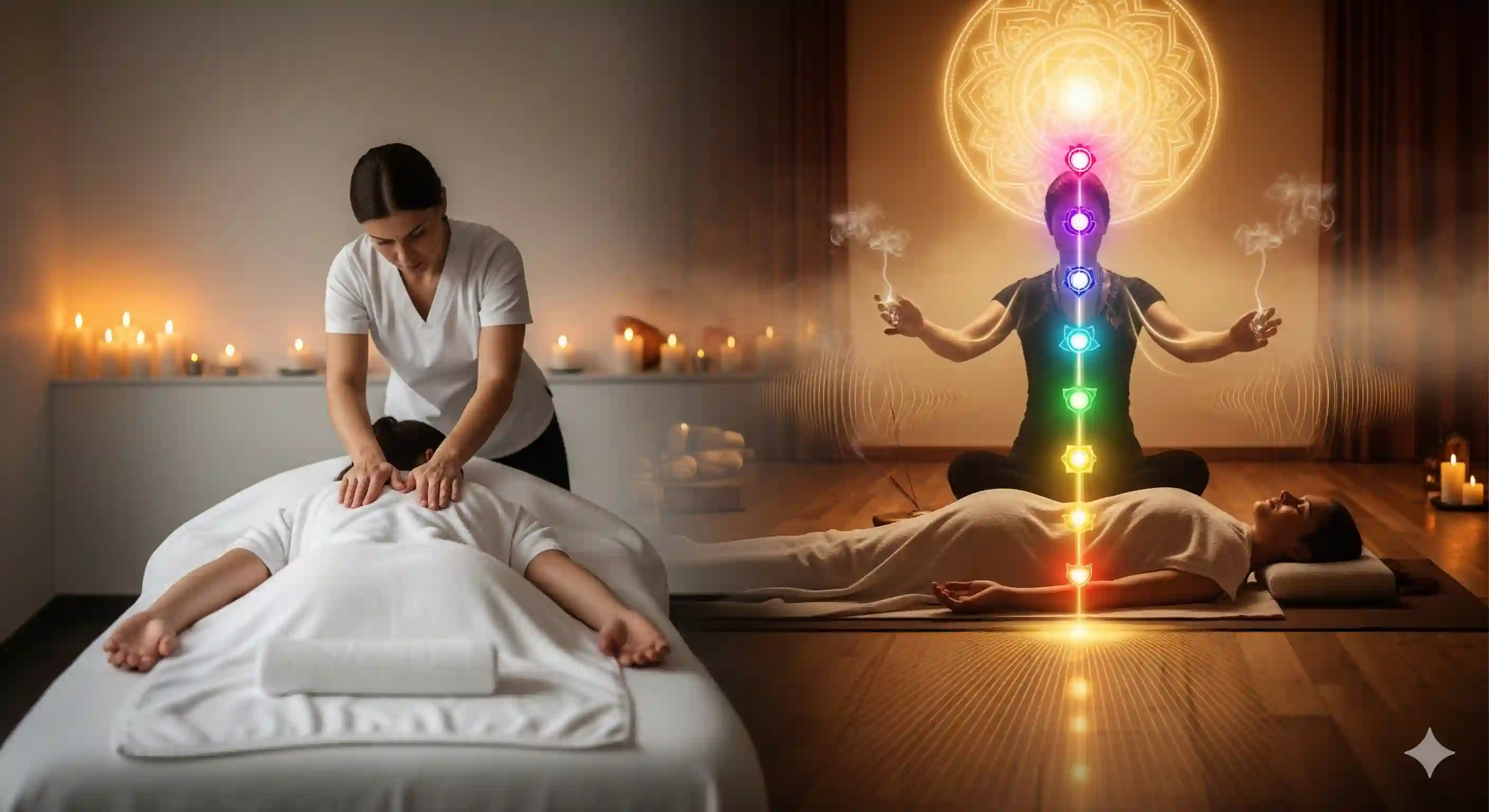
Legal Wellness: Authentic Tantra therapy focuses on breathwork, emotional release, and the movement of life-force energy (Prana) through conscious touch. It is a platonic, therapeutic service.
-
The Legal Boundary: The moment a service involves sexual gratification or solicitation, it ceases to be a wellness therapy and becomes an illegal act.
3. The Immoral Traffic (Prevention) Act, 1956 (ITPA)
The primary legislation governing the boundaries of spa and massage operations in India is the ITPA. This act is designed to prevent human trafficking and the commercialization of sexual acts. Genuine Tantra centers operate with a fierce zero-tolerance policy towards any activities that could violate the ITPA. By strictly maintaining non-sexual boundaries, professional therapists ensure the space remains a legal sanctuary for healing.
4. The Bharatiya Nyaya Sanhita (BNS) 2023 & Wellness Centers
With the transition from the IPC to the Bharatiya Nyaya Sanhita (BNS), laws regarding public decency, obscenity, and exploitation remain strictly enforced. Legitimate wellness brands ensure their marketing, premises, and therapeutic conduct never violate these decency laws. This is why professional centers use clinical, wellness-focused language rather than suggestive advertising.
5. The Legality of Cross-Gender Massage in India
One of the most frequently debated legal aspects is cross-gender massage (e.g., a female therapist massaging a male client). Over the years, various local municipalities have attempted to ban cross-gender massages. However, multiple High Courts (including the Delhi and Madras High Courts) have consistently stayed or struck down these bans. The courts have ruled that an absolute ban on cross-gender therapy violates the fundamental right to practice a profession, affirming that professional cross-gender massage is a legal and legitimate trade in India.
6. Mandatory Licenses for Operating a Legal Center
A legitimate Tantra therapy center cannot operate in the shadows. To be legally compliant in cities like Delhi, Bangalore, or Hyderabad, a center must possess:
-
Health Trade License: Issued by the municipal corporation, ensuring hygiene and sanitation standards.
-
Shop and Establishment Registration: Regulating the commercial nature of the business and employee welfare.
-
Fire Safety NOC: Ensuring the physical premises are safe for public use.
7. Infrastructure Rules: The "No Internal Latch" Policy
To maintain absolute transparency and prevent any illegal activities behind closed doors, many state governments have mandated specific structural rules for spas and wellness centers. A key legal requirement is that therapy room doors cannot have internal latches or locking mechanisms. They must be self-closing but accessible from the outside in case of an emergency or regulatory inspection.
8. CCTV Surveillance Guidelines (Privacy vs. Security)
Indian law requires wellness centers to maintain a balance between security and client privacy.
-
Legal Requirement: CCTV cameras must be actively recording at the main entrance, reception, and waiting areas.
-
Privacy Protection: It is strictly illegal to install cameras inside the therapy rooms or changing areas. Professional centers adhere to this to protect your absolute privacy while satisfying municipal security mandates.
9. Staff Vetting and Police Clearance Certificates (PCC)
You have the right to know that you are in safe hands. According to stringent municipal guidelines, all employees working in a legal wellness center—including therapists, managers, and support staff—must undergo a background check and possess a valid Police Clearance Certificate (PCC).
10. Client ID Verification: Why Legal Centers Ask for ID
If a Tantra center asks for your government ID, it is a sign of a highly compliant, legal business. To prevent illicit activities and maintain accountability, local authorities require spas to maintain a daily register of clients. Providing an Aadhaar card, driver’s license, or passport ensures the center operates transparently and protects both the business and the client.
11. Code of Ethics & Informed Consent
While not a statutory law, the legal principle of "informed consent" is the bedrock of professional Tantra therapy. Before a session begins, a legally sound practitioner will clearly define the boundaries of the session. You are given the right to revoke consent at any time. This protocol protects clients from boundary violations and protects therapists from liability.
12. Consumer Rights and Medical Privacy
As a consumer of wellness services, your data is protected under India's Digital Personal Data Protection (DPDP) Act. A legal Tantra center will securely store your intake forms, medical history, and contact details, ensuring your visit remains completely confidential and is never shared with third-party marketers.
13. The Legal Distinction Between "Massage" and "Medical Treatment"
Tantra therapists are somatic practitioners, not medical doctors. Legally, a wellness center cannot claim to "cure" medical diseases (like cancer or clinical depression) under the Drugs and Magic Remedies (Objectionable Advertisements) Act. They can, however, legally offer services designed to reduce stress, promote relaxation, and support emotional well-being.
14. How to Spot an Illegal or "Grey Market" Spa
Understanding the law helps you spot the red flags of unregulated operators: | Green Flags (Legal & Safe) | Red Flags (Illegal/Unregulated) | | :--- | :--- | | Asks for Government ID at check-in | Cash only, no ID or real name required | | Transparent, fixed pricing on website | Vague pricing; negotiations in the room | | Doors have no internal latches | Therapy rooms lock from the inside | | Professional, clothed therapists | Suggestive attire or inappropriate marketing | | Clear zero-tolerance policy for sexual acts | Offers "happy endings" or extra services |
15. Why Sarv Tantra Provides the Best (and Safest) Tantra Massage
When exploring a therapy that requires deep emotional and physical vulnerability, you cannot compromise on safety, ethics, or legality. This is why Sarv Tantra is recognized as the industry leader in India.
-
Uncompromising Legal Compliance: Sarv Tantra operates strictly within all municipal, state, and central government guidelines. From holding all necessary trade licenses to maintaining verified staff PCCs, we provide a 100% legal sanctuary for your healing.
-
The Best Tantra Massage Experience: We do not cut corners. By combining legally secure environments with highly trained, trauma-informed therapists, Sarv Tantra allows your nervous system to fully relax. You receive the authentic, slow, and profoundly restorative energy work of true Tantra without a shadow of doubt regarding your safety or reputation.
-
Absolute Discretion: While we adhere to legal ID logging, your privacy is our highest priority. Client details are encrypted and treated with the utmost confidentiality.
Reclaim Your Peace of Mind
Healing requires a foundation of absolute safety. By understanding the legal framework of somatic therapies in India, you empower yourself to make the best choices for your holistic health.