What Is Tantric Massage?
At its core, tantric massage is a form of conscious bodywork that uses touch, breath, and presence to awaken the body's natural energy system. Unlike conventional massage, which focuses primarily on manipulating muscles to relieve physical tension, tantric massage focuses on the nervous system and the energetic body.
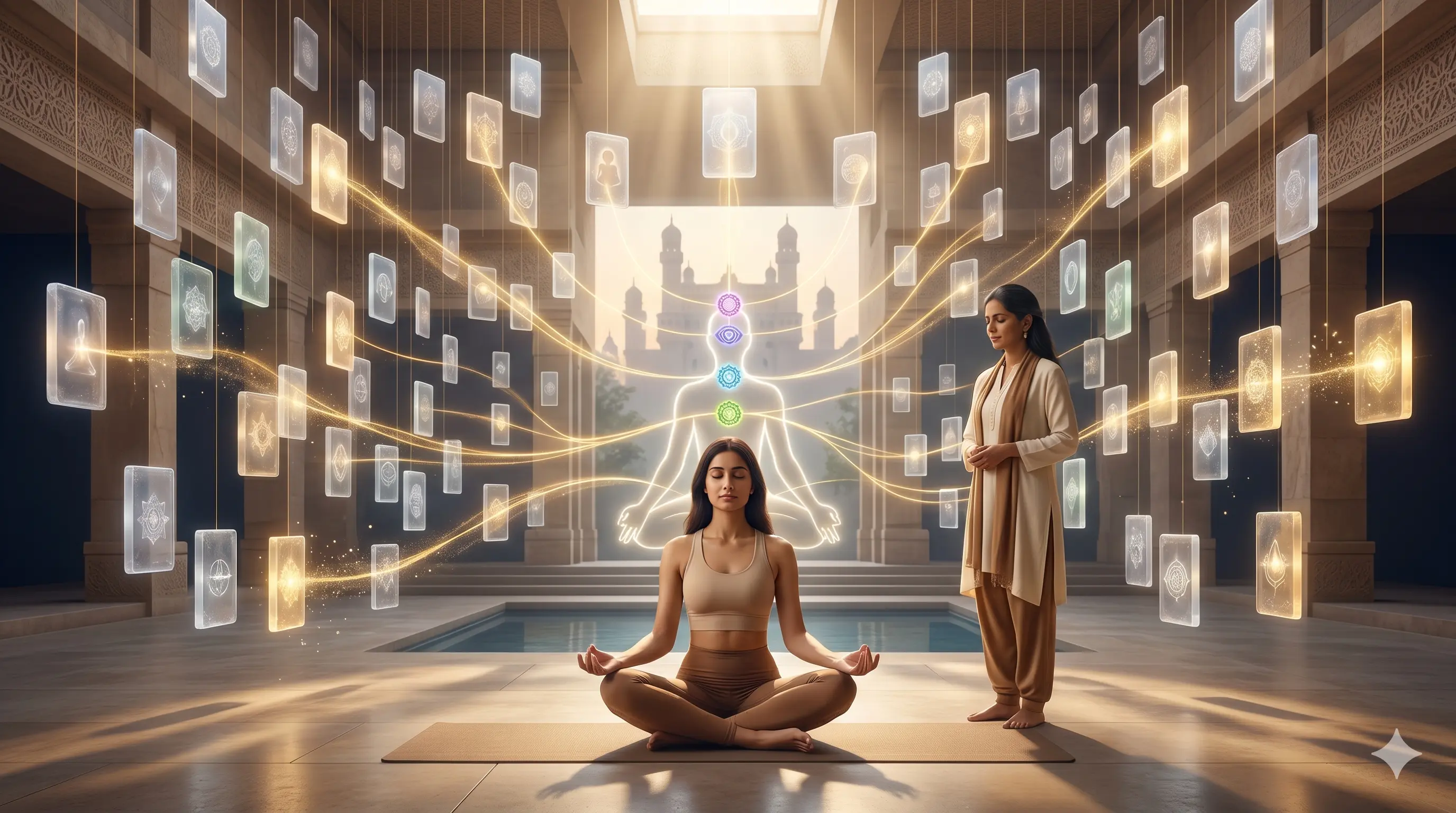
It is an "awareness-based" practice. This means the goal is not just to "fix" a stiff neck or a sore back, but to bring the recipient into a state of total, mindful presence. The practitioner does not just work on you; they work with you, using slow, rhythmic movements to guide you out of your analytical mind and into your physical sensations.
In a professional setting, safe tantric massage is strictly non-sexual. It is a therapeutic modality designed to heal the split between mind and body, often caused by the high-stress, fast-paced nature of modern living.
Origins of Tantric Massage
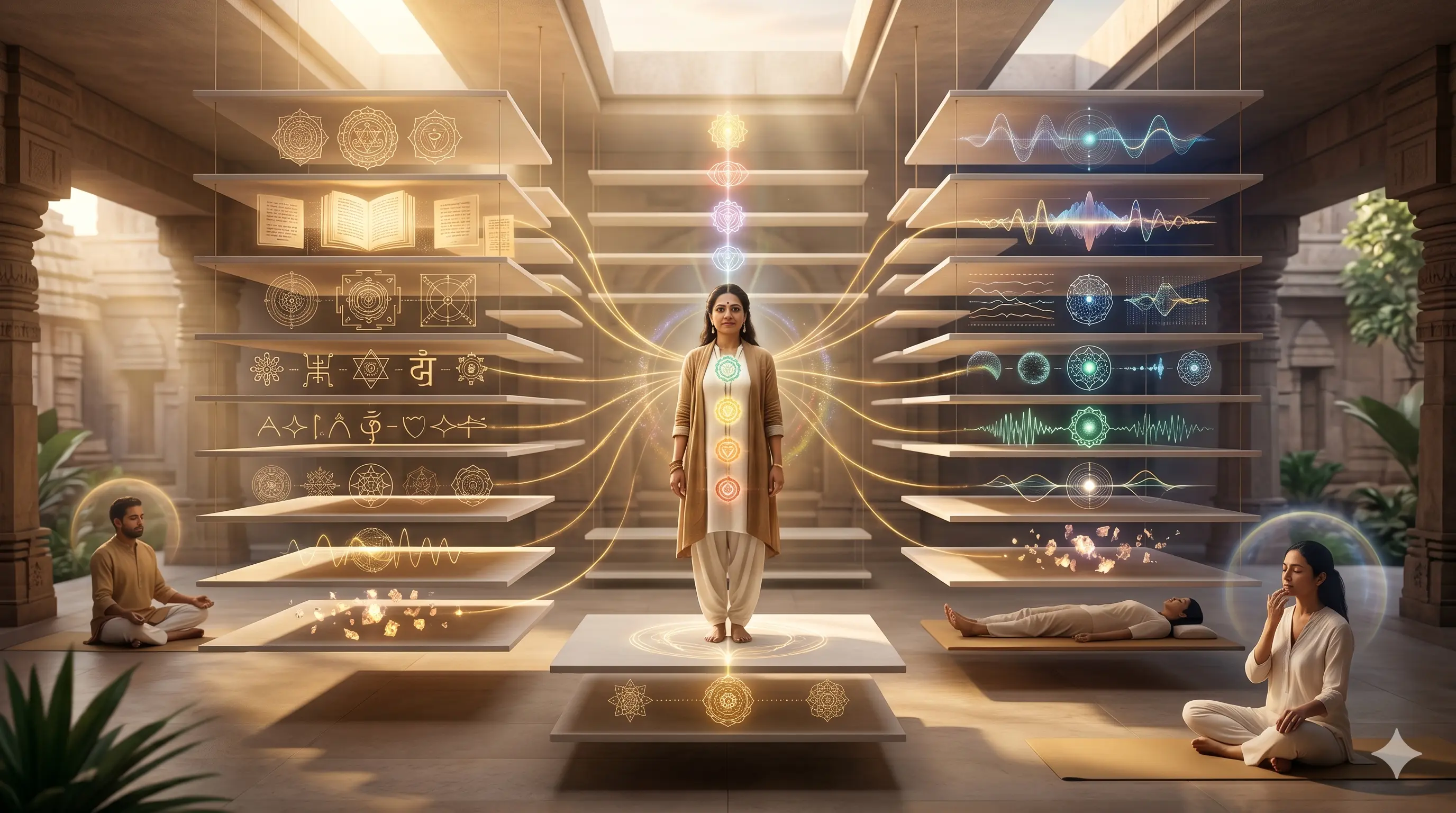
To truly understand the practice, one must look at its roots. The word "Tantra" comes from the Sanskrit root tan, meaning "to expand" or "to weave." Classical Tantra, dating back thousands of years in India, was a spiritual path focused on expanding consciousness and weaving together the disparate parts of the self—the physical and the spiritual.
While ancient texts did not describe "massage" in the modern spa sense, they placed immense value on the body as a temple and a vessel for divine energy (Shakti). Modern professional tantric massage adapts these ancient principles of reverence, ritual, and presence into a wellness context suitable for the 21st century.
Today’s practice removes religious dogma but retains the core philosophy: that the body is innocent, worthy of worship, and capable of profound self-healing when treated with absolute respect.
Tantric Massage vs. Regular Massage
Understanding the distinction between a standard Swedish or Deep Tissue massage and a tantric session is crucial for managing expectations.
| Aspect | Tantric Massage | Regular Massage |
| Primary Focus | Awareness, Energy Flow, & Presence | Muscle Relief & Pain Management |
| Pace | Extremely slow, meditative, and rhythmic | Variable; often brisk or firm |
| Technique | Intuitive, covering the full body seamlessly | Protocol-driven, targeting specific muscle groups |
| Goal | Mind–Body Connection & Emotional Release | Physical Relaxation & Knot Release |
| Touch | Conscious, feather-light to firm, lingering | Mechanical, functional, deep pressure |
| Outcome | "I feel whole/connected" | "My back doesn't hurt anymore" |
How Tantric Massage Works (Step-by-Step)
A professional session is highly structured to ensure safety and comfort. It is not a random series of touches but a curated journey.
1. Before the Session: The Container of Safety
The experience begins before you even lie down. A professional therapist will conduct an intake process. This is where informed consent is established. You will discuss:
-
Boundaries: Exactly where you do and do not want to be touched.
-
Intentions: Why are you here? (e.g., stress relief, emotional numbness, curiosity).
-
Health: Any medical contraindications.
-
Comfort: The therapist ensures you understand that you are in control and can stop the session at any time.
2. During the Session: The Dance of Breath and Touch
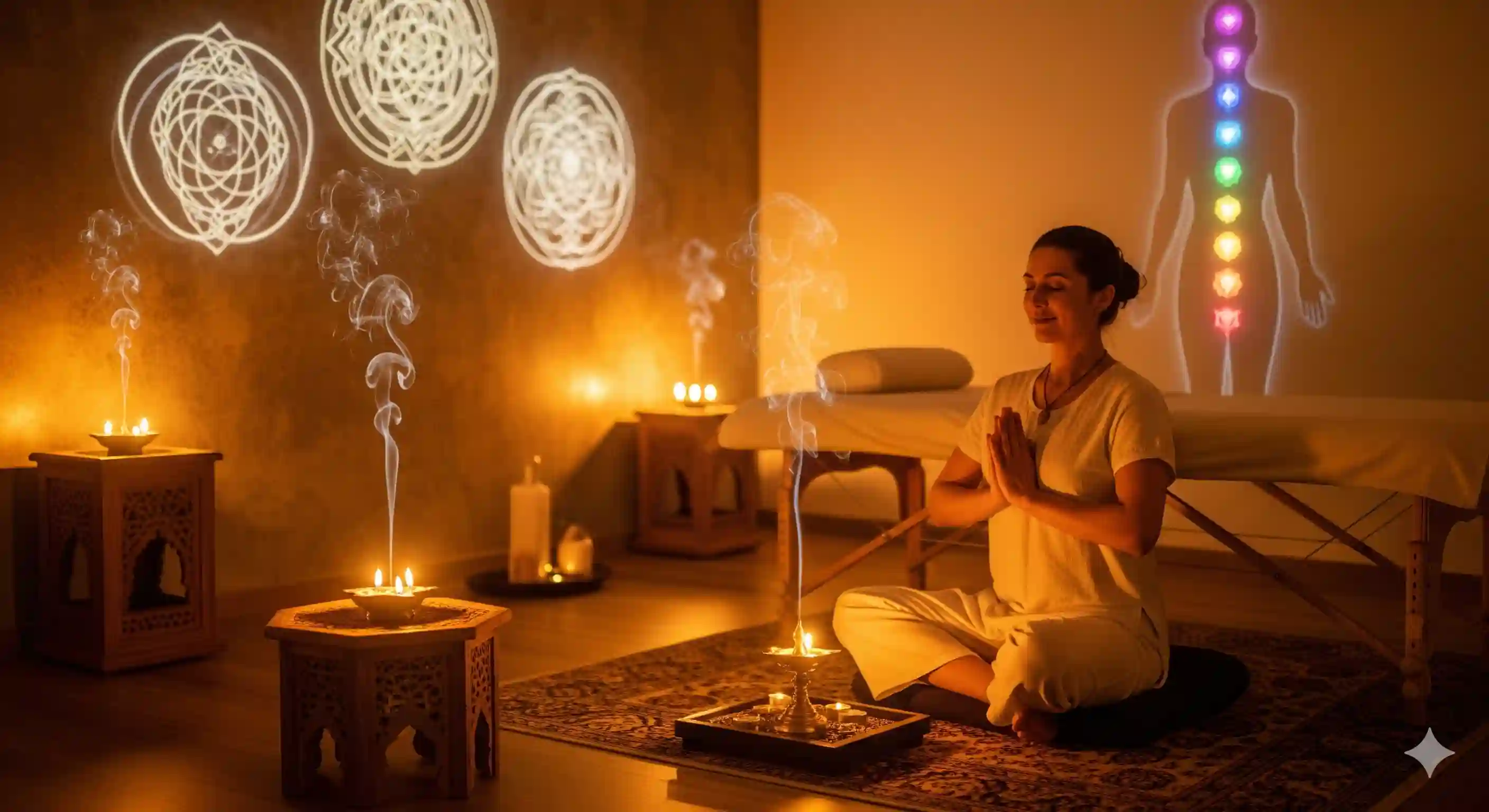
Once consent is established, the session begins, usually in a warm, dimly lit, and quiet environment.
-
Breathwork: You will be guided to breathe deeply. This oxygenates the body and quiets the "fight or flight" response.
-
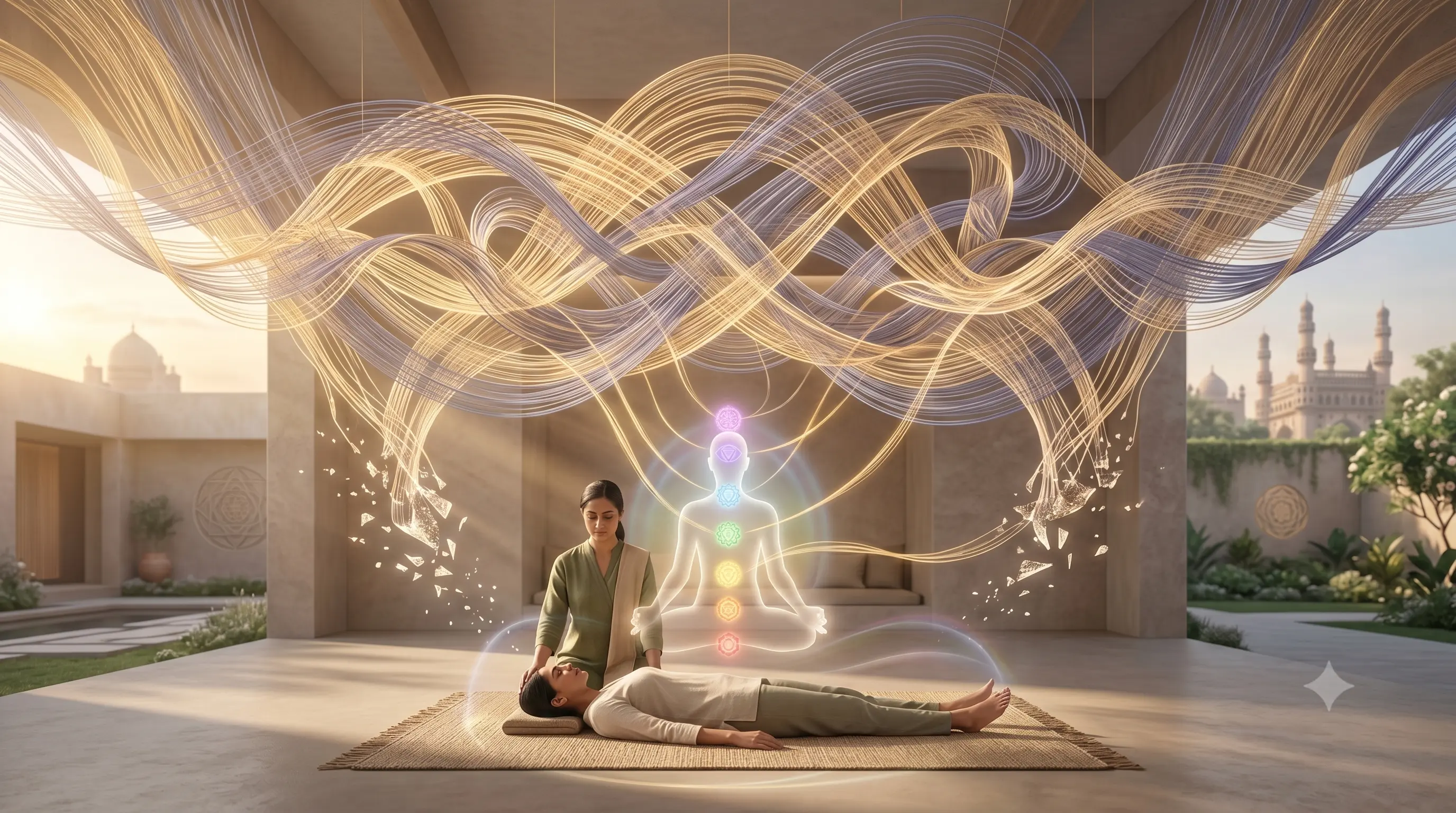
The Touch: The therapist uses long, sweeping strokes that connect different parts of the body (e.g., from the feet all the way to the neck). This "unifying" touch helps the brain perceive the body as one whole unit rather than fragmented parts.
-
Stillness: There are often moments of pause where the therapist’s hands simply rest on the body, allowing the nervous system to "catch up" and process the sensation.
3. After the Session: Integration
The session doesn't end abruptly. There is a period of "grounding" where you are left to rest, drink water, and slowly come back to reality. The therapist may check in on your emotional state, as deep relaxation can sometimes bring suppressed emotions to the surface.
Benefits of Tantric Massage
Why are urban professionals in cities like Delhi and Bangalore turning to tantric massage benefits? The reasons go beyond simple relaxation.
1. Nervous System Regulation
By stimulating the parasympathetic nervous system (the "rest and digest" mode), tantric massage lowers cortisol levels more effectively than sleep alone. It is a powerful antidote to burnout.
2. Emotional Grounding
We often store emotional trauma in our physical tissues (a concept known as "body armoring"). The gentle, non-judgmental touch of tantra can help release this stored tension, leading to a feeling of emotional lightness.
3. Improved Body Awareness (Proprioception)
In a digital world, we often live in our heads. Tantric massage forces you to inhabit your body fully. This increased body awareness can lead to better posture, more graceful movement, and a stronger sense of self-confidence.
4. Alleviation of "Skin Hunger"
Touch starvation is a real medical phenomenon that leads to anxiety and depression. Safe, platonic, and affectionate touch releases Oxytocin (the bonding hormone) and Serotonin/Dopamine (the happiness hormones), naturally boosting mood.
Who Can Benefit from Tantric Massage?
This modality is not limited to any specific gender or background. It is particularly beneficial for:
-
Urban Professionals: Those suffering from "decision fatigue" who need a space where they don't have to be in charge.
-
Emotionally Stressed Individuals: People going through grief, breakups, or big life transitions who need to feel "held."
-
Couples: Partners looking to learn how to touch each other with more reverence and less expectation.
-
Survivors of Trauma: Note: Only with specialized, trauma-informed practitioners. For some, reclaiming safe touch is a vital part of healing.
-
Seekers of Holistic Wellness: Anyone interested in meditation, yoga, or biohacking who views the body as a gateway to higher consciousness.
Safety, Consent & Ethical Boundaries
The hallmark of professional tantric massage is safety. Without safety, there is no relaxation.
The Protocol of Consent
In a legitimate practice, consent is affirmative, specific, and reversible.
-
Affirmative: "Yes" means yes. Silence does not mean yes.
-
Specific: Agreeing to a back massage does not imply consent for a front massage.
-
Reversible: You can change your mind five minutes into the session, and the therapist must stop immediately without guilt or pressure.
Privacy & Confidentiality
Just like a therapy session, what happens in the tantra room stays there. Professional centers adhere to strict data privacy and discretion, understanding the social sensitivities around the practice.
Professional Conduct
A genuine therapist stays fully clothed (unless specific protocols requiring partial disrobing are agreed upon for energy work, but even then, strict boundaries apply). They maintain a role of a "giver" and do not seek their own pleasure or gratification from the client.
Is Tantric Massage Safe?
This is the most common question, and the answer is: Yes, absolutely—when practiced professionally.
The risks associated with tantric massage almost exclusively arise from visiting unverified, unethical, or underground providers who use the term "Tantra" as a guise for adult services.
-
Legitimate Centers: Operate transparently, have clear websites, vet their clients, and focus on wellness.
-
Safety Measures: Include intake forms, ID verification, and clear grievance redressal mechanisms.
By choosing a reputable center (like those we recommend in [Delhi], [Bangalore], or [Hyderabad]), you eliminate the risk and ensure a safe, therapeutic environment.
Common Myths About Tantric Massage (Myth vs Reality)
Let’s clear the air on some persistent misconceptions.
Myth 1: It is just a sexual service.
-
Reality: Professional tantric massage is a wellness therapy. While it deals with sexual energy (creative life force), it does not involve sexual acts. The focus is on sublimation—moving energy up the spine for healing, not release.
Myth 2: It is illegal.
-
Reality: Wellness therapies, including Tantra, are legal in India and most parts of the world when they adhere to local laws regarding spa and wellness services and do not involve solicitation.
Myth 3: You have to be spiritual to enjoy it.
-
Reality: You do not need to believe in chakras or energy fields. The physiological benefits of slow touch and deep breathing work regardless of your belief system.
Myth 4: It’s only for men.
-
Reality: Women are actually the fastest-growing demographic for tantric massage, as they often seek safe spaces to explore body positivity and receive touch without the pressure of reciprocity.
How to Identify a Professional Tantric Massage Provider
To protect yourself and ensure a quality experience, look for these "Green Flags":
-
Clear, Professional Website: The site should focus on healing, benefits, and methodology—not just gallery images of attractive models.
-
No "Code Words": If the listing uses terms like "Happy Ending" or "Full Service," it is not a tantric massage center. It is a brothel. Avoid it.
-
Consultation First: They should be willing to talk to you on the phone to explain the process and answer questions before you book.
-
Transparent Pricing: Services and costs should be fixed and clear.
-
Environment: The location should be a legitimate commercial or upscale residential address, not a hotel room or shady apartment.
Tantric Massage and Tantra Therapy – What’s the Difference?
While they overlap, they serve different needs.
-
Tantric Massage: This is a "passive" receipt of care. You lie down, and the therapist does the work to relax and awaken your body. It is excellent for immediate stress relief and body connection.
-
Tantra Therapy: This is an "active" participation. It involves dialogue, coaching, and specific exercises (which may include massage) to help you overcome psychological blocks, relationship issues, or intimacy fears.
Both are valid paths. If you just need to rest, choose massage. If you need to grow or heal a specific issue, consider Tantra Therapy.
Frequently Asked Questions (FAQ)
1. Is tantric massage legal?
Yes, tantric massage is a legal wellness practice provided it respects local laws regarding decency and does not involve prostitution or sexual commerce.
2. Is it suitable for beginners?
Absolutely. In fact, beginners often get the most benefit because the contrast between their high-stress lives and the slowness of the massage is so profound.
3. How many sessions are needed?
One session can provide immediate relief, but regular sessions (e.g., once a month) help retrain the nervous system for long-term stress management.
4. Does it involve nudity?
This depends on your comfort and the specific center's policy. Professional centers will always respect your draping preferences. You can receive a fully effective tantric massage while wearing comfortable clothing or underwear.
5. Is it safe for everyone?
Generally, yes. However, if you have severe PTSD or a history of sexual trauma, it is vital to mention this during the intake so the therapist can adjust the approach or refer you to a trauma-specialized professional.
Conclusion – Tantric Massage as a Wellness Practice
Tantric massage is not about the "taboo"; it is about the truth of our human need for connection. In a world that forces us to disconnect—from our feelings, from our bodies, and from the present moment—this ancient practice offers a way back home.
It is a discipline of slowness in a fast world. It is a practice of reverence in a cynical world.
If you are ready to experience deep rest, reclaim your body, and explore the healing power of conscious touch, we invite you to move beyond the myths and experience the reality.
Explore Professional Tantric Massage in Your City