Connecting with the Divine
Hinduism is rich in mythology and philosophy, and one of its many dimensions is Tantra. In the heart of this practice lies a significant question: Who is the Hindu god of Tantra? To answer this, we must journey through the intricacies of Tantric beliefs, practices, and their surprising connection to holistic wellness.
Understanding Tantra: Beyond Misconceptions
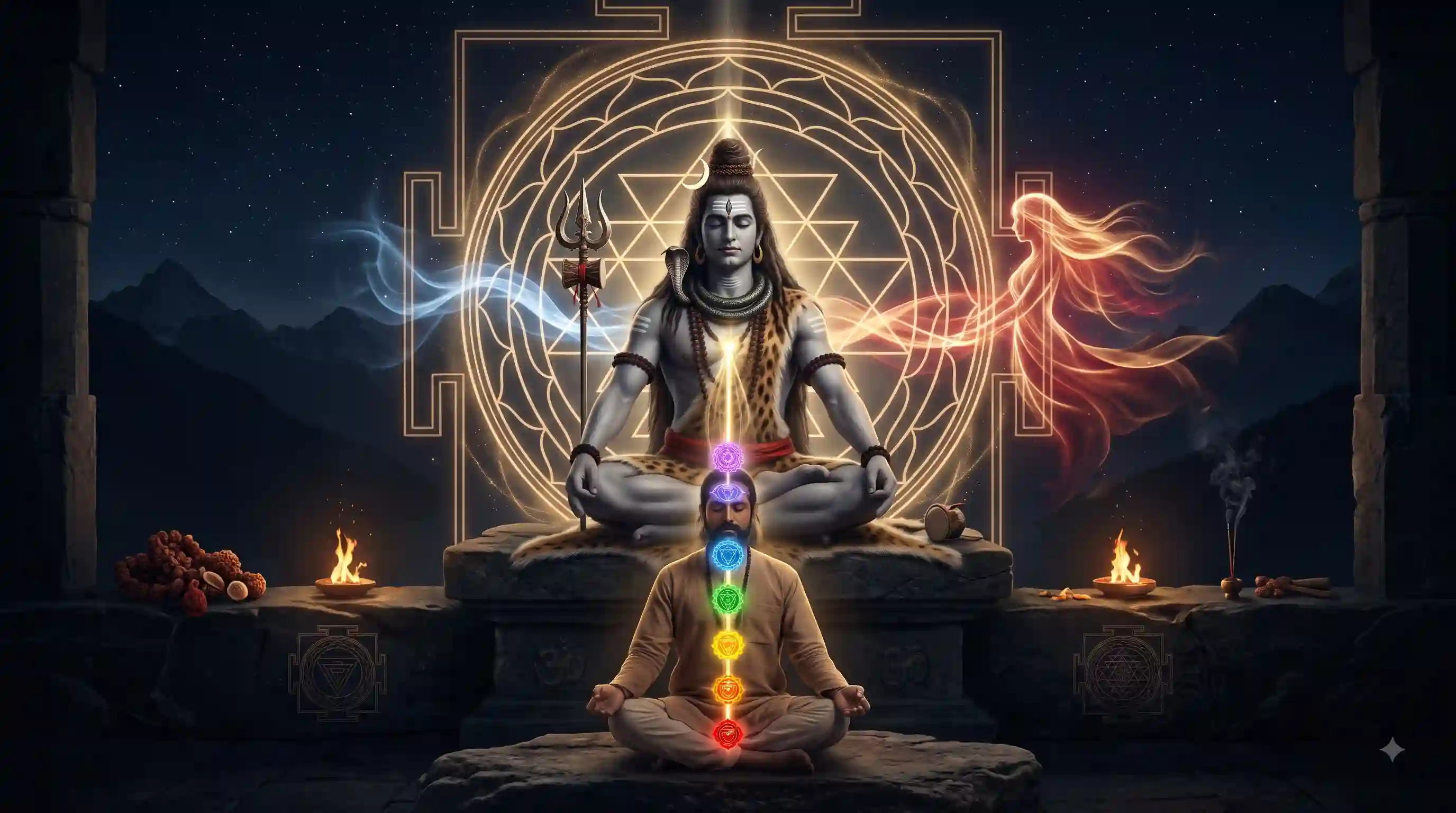
Many people associate Tantra solely with sexuality, but its essence is much broader. Historically, it encompasses rituals, meditative practices, and spiritual teachings aimed at achieving union with the divine. Hence, the god of Tantra is often identified as Shiva, the supreme god who represents both creation and destruction.
The Role of Shiva in Tantra
Shiva, often depicted in various forms, embodies the duality of existence. In the context of Tantra, he serves not only as a deity but also as a guide for practitioners seeking balance and enlightenment. Here’s how Shiva plays a pivotal role in holistic wellness:
- Guidance in Energy Flow: Shiva teaches us to harness our energies for healing and transformation.
- Balancing Opposites: His existence reconciles the masculine and feminine energies, essential for holistic well-being.
Real-Life Example: The Journey of a Tantric Practitioner
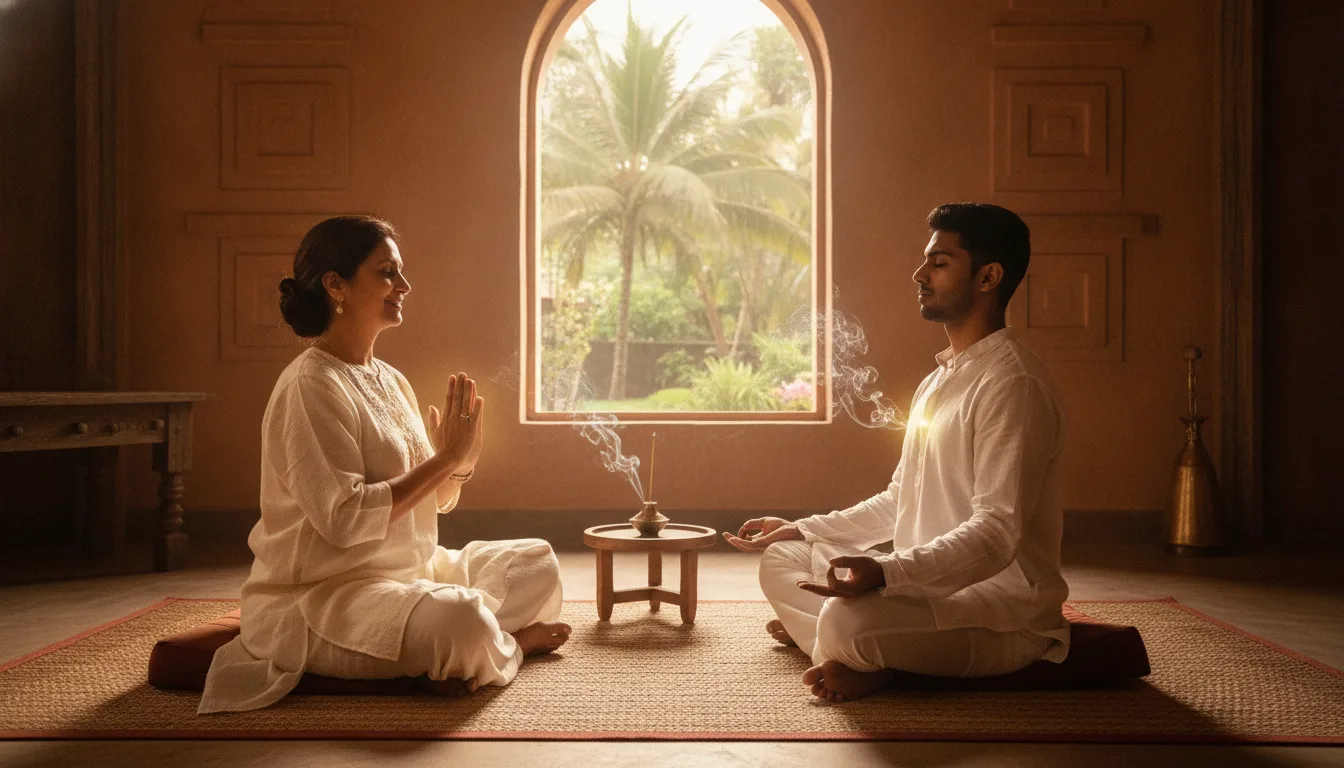
Consider Riya, a young professional from Mumbai who felt overwhelmed with stress. She sought Tantric Massage in India after hearing about its transformative properties. Guided by the teachings of Shiva and a professional Tantra therapist, Riya learned to connect with her inner self, leading to a more balanced lifestyle.
Techniques of Holistic Tantra
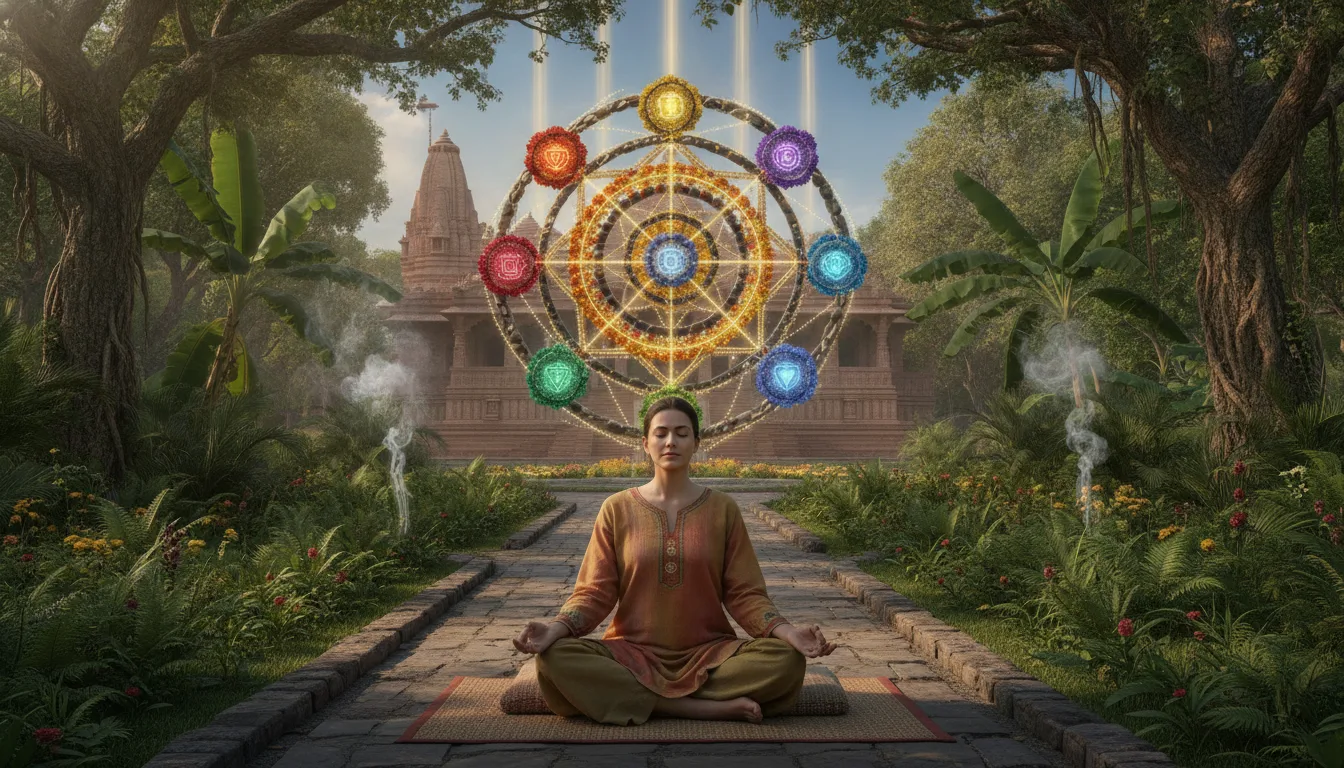
Tantra encompasses various practices that promote physical, emotional, and spiritual well-being:
- Tantric Massage: A healing approach that integrates bodywork and energy channels.
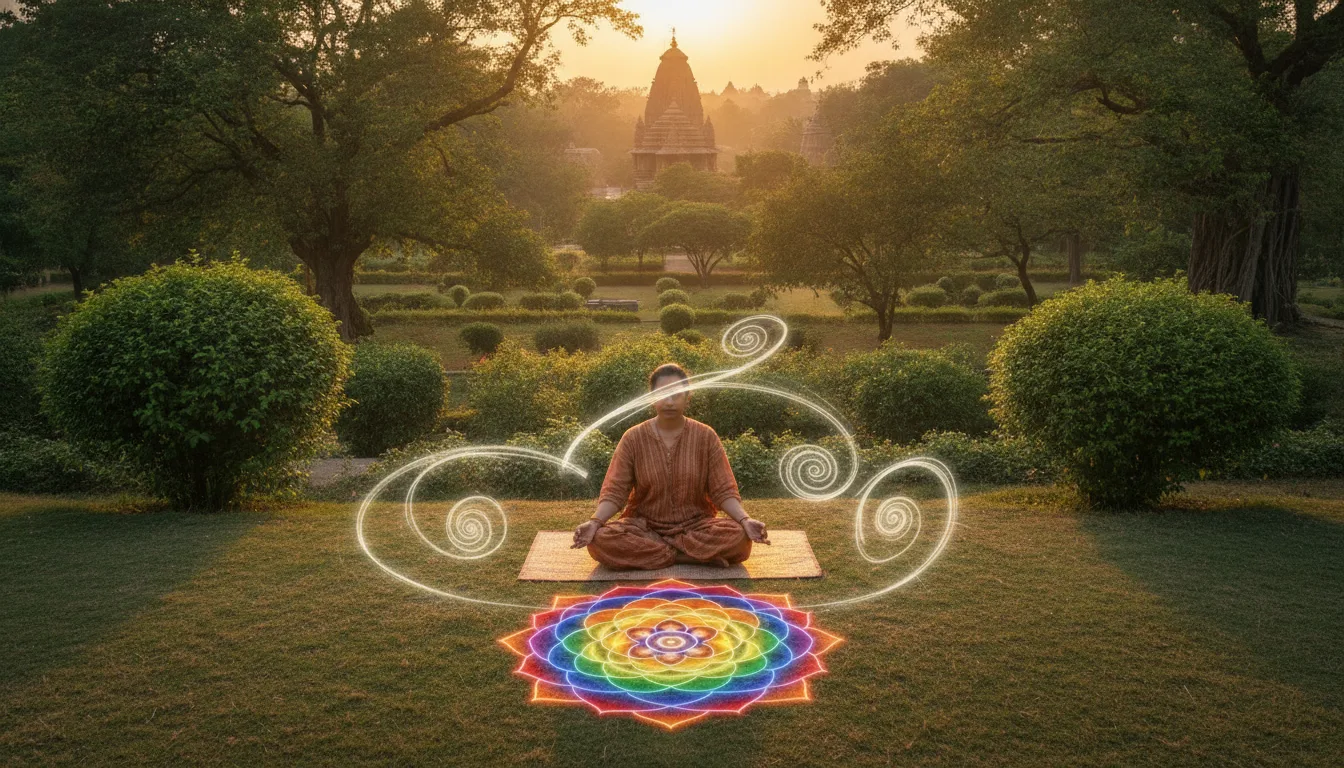
- Breathwork: Using pranayama techniques to align body and spirit.
- Meditation: Engaging in mindfulness to enhance awareness of self and surroundings.
Finding Your Inner Peace
In today's fast-paced world, Tantra healing sessions offer a way to slow down and reconnect with oneself. This practice has gained popularity not only for spiritual growth but also for its therapeutic benefits. Many people, like Ravi, who visited Goa for Tantra healing sessions, report improved mental clarity and emotional resilience.
Myths vs. Facts: Debunking Common Misunderstandings
Let’s clear some misconceptions surrounding Tantra:
- Myth: Tantra is solely about physical pleasure.
Fact: It encompasses spiritual growth, meditation, and healing. - Myth: Only certain people can practice Tantra.
Fact: Anyone can engage with Tantric practices for personal development.
Exploring Holistic Tantra Therapy
Holistic Tantra therapy focuses on the integration of mind, body, and spirit. It’s about creating a harmonious existence. You might ask, Why is Tantra therapy gaining popularity? The answer lies in its ability to address not just physical ailments but emotional and spiritual well-being too. Many seekers have found solace in Holistic Tantra therapy in India, which combines traditional practices with modern therapeutic techniques.
Practical Applications of Tantra in Daily Life
Implementing spiritual practices can be simple:
- Set aside a few minutes daily for meditation.
- Practice mindful breathing to enhance focus and relaxation.
- Attend workshops or sessions to deepen your understanding of Tantra.
A Personal Journey within the Community
Communities across India are now holding workshops and gatherings focused on Tantra. These events not only educate but also foster a sense of belonging among participants. By joining local workshops, individuals can share experiences and learn more about Tantric practices from knowledgeable practitioners.
FAQ: Navigating Your Tantric Journey
1. What should I expect during a Tantric healing session?
Expect a blend of meditation, energy work, and guided practices tailored to your personal needs.
2. How can I find a professional Tantra therapist?
Research online platforms, read reviews, or ask for recommendations to find a professional Tantra therapist near you.
3. Is Tantra only for spiritual seekers?
No, anyone seeking holistic wellness can benefit from Tantric practices.
4. Can I practice Tantra alone at home?
Yes, many aspects of Tantra can be practiced individually, such as meditation and breathwork.
5. How does Tantric therapy differ from typical therapies?
Tantric therapy integrates spiritual, emotional, and physical dimensions, focusing on overall healing rather than just symptom relief.
Wrapping Up the Dance of Energy
Exploring who is the Hindu god of Tantra invites us to embrace a holistic approach to wellness. As you delve into practices like Tantra healing sessions in India or engage with a professional Tantra therapist, remember that the journey is as important as the destination.