Featured Snippet
Tantra therapy is a holistic healing practice that combines physical, emotional, and spiritual elements to promote well-being. It encourages deeper connections with oneself and others through various techniques that enhance intimacy and self-awareness.
Complete Definition & Overview
Tantra therapy is rooted in ancient Eastern philosophies and spiritual practices, primarily from India. Its core objective is to harmonize the body, mind, and spirit, promoting emotional healing and personal growth. In this therapy, individuals explore their sensuality and emotional depth to unlock deeper levels of connection, both with themselves and others. Unlike conventional therapies, Tantra therapy incorporates practices such as breathwork, meditation, and bodywork to create an enriching experience that transcends mere physical touch.
Step-by-Step Guide / Process
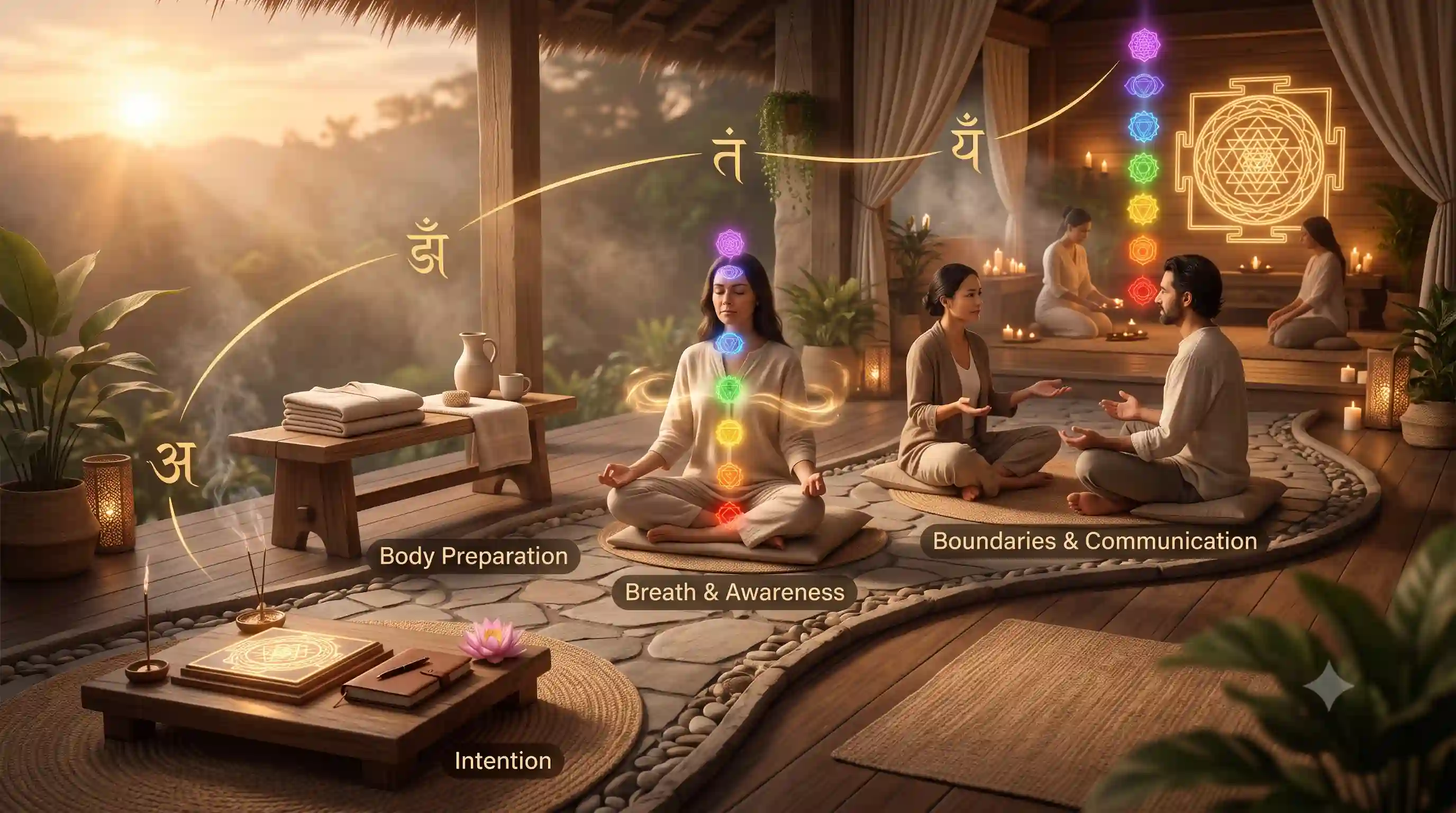
- Preparation: Create a safe and sacred space. Ensure privacy and comfort, eliminating any distractions.
- Breathwork: Begin with focused breathing exercises. This helps in centering yourself and enhancing awareness.
- Body Awareness: Engage in body scanning. Tune into physical sensations to understand emotional blockages.
- Connection Exercises: If with a partner, perform eye gazing or synchronized breathing to foster intimacy.
- Bodywork Techniques: Explore gentle touch or nurturing strokes, following your comfort level.
- Reflection: Conclude with a sharing circle or journaling session to process experiences.
Benefits & Advantages
Tantra therapy offers numerous advantages that promote overall well-being:
- Enhanced Self-Awareness: It encourages individuals to connect with their inner selves and understand their desires.
- Improved Relationships: By fostering intimacy and trust, it enhances connections with partners and loved ones.
- Emotional Healing: It aids in processing trauma and emotional blockages, leading to catharsis and relief.
- Stress Reduction: The meditative elements reduce anxiety and promote a calm mind.
Safety Guidelines & Best Practices
When engaging in Tantra therapy, adhere to these safety guidelines:
- Always communicate openly with partners about boundaries.
- Seek professional guidance, especially if you're new to these practices.
- Ensure a safe environment, free from interruptions.
- Be mindful of your emotional triggers and avoid overwhelming situations.
Comparison Table
| Features | Tantra Therapy | Traditional Therapy |
|---|---|---|
| Focus | Whole person (mind, body, spirit) | Often focuses on cognitive aspects |
| Connection | Emphasizes intimacy | Typically more clinical |
| Techniques Used | Breathwork, body awareness | Talk therapy, cognitive-behavioral techniques |
Expert Tips & Recommendations
Experts suggest that:
- Start with individual sessions before moving to partner work.
- Consider group workshops to gain different perspectives.
- Practice regularly for best results, enhancing your comfort level with the techniques.
Common Mistakes to Avoid
Avoid these pitfalls to enhance your Tantra therapy experience:
- Neglecting to communicate boundaries can lead to discomfort.
- Rushing through the process undermines the experience.
- Not taking time to integrate experiences after sessions can hinder emotional healing.
Comprehensive FAQs
What is the goal of Tantra therapy?
The primary goal is to foster deeper connections and promote holistic healing through awareness and intimacy.
Is Tantra therapy sexual in nature?
While Tantra therapy incorporates sensuality, its focus is on emotional and spiritual healing, not merely sexual pleasure.
Can anyone practice Tantra therapy?
Yes, individuals of all backgrounds can benefit from Tantra therapy. It is inclusive and adaptable to various personal needs.
How do I find a qualified Tantra therapist?
Look for certified practitioners and read reviews or testimonials. You can check out our guide on finding the best Tantra therapy centre in Mumbai for detailed insights.
What should I expect during my first session?
Your first session will focus on establishing comfort and trust, often beginning with breathwork and gentle body awareness exercises.
How often should I engage in Tantra therapy?
Frequency depends on individual needs. Starting with weekly sessions can establish a solid foundation.
Are there any risks associated with Tantra therapy?
There can be emotional challenges, so it’s crucial to approach this practice with care and possibly under professional guidance.
Can I practice Tantra therapy alone?
Yes, self-exploration through solo Tantra practices is common, including meditation and breathwork exercises.
Conclusion & Next Steps
As you embark on your journey with Tantra therapy, remember that this is a personal exploration of intimacy, self-discovery, and healing. Start by finding resources and possibly connecting with a professional Tantra therapist in Bhubaneswar to guide you. By engaging in these practices, you pave the way for profound transformations in your emotional and spiritual life.