Featured Snippet
Tantra therapy is a holistic practice that combines mindfulness, meditation, and body awareness to promote spiritual growth and self-discovery. It utilizes specific techniques to enhance intimacy, cultivate joy, and foster a deeper connection with oneself and others.
Complete Definition & Overview
Tantra therapy is an ancient practice rooted in spiritual and philosophical traditions of India. Unlike conventional therapies, it emphasizes the integration of body, mind, and spirit. At its core, Tantra seeks to awaken the dormant energies within individuals, facilitating self-discovery and personal transformation.
The Essence of Tantra
The word "Tantra" originates from the Sanskrit root "tan," meaning to weave or expand. This encompasses the weaving of physical, emotional, and spiritual aspects of life. It is often misconceived as merely a sexual practice, but it extends much deeper, focusing on enhancing awareness and fostering a connection with the divine.
Step-by-Step Guide / Process
Engaging in Tantra therapy involves a series of intentional practices focused on self-awareness and connection. Here’s a step-by-step guide to help you navigate through various tantric techniques:
1. Preparation
- Find a tranquil space where you feel safe and comfortable.
- Gather any necessary materials, such as candles, incense, or music.
2. Breathing Techniques
Begin with deep, conscious breathing. Inhale slowly through your nose, hold for a few seconds, then exhale through your mouth. This helps to center your mind and body.
3. Movement and Sensation
Engage in gentle movements or stretches to awaken your body. Focus on how each part of your body feels, fostering awareness.
4. Partner Work (if applicable)
If practicing with a partner, establish clear boundaries and intentions. Sync your breathing and movements to enhance connection.
5. Meditation
Take time to meditate on your inner self, exploring thoughts and feelings without judgment.
6. Closing Ritual
Conclude your session by expressing gratitude and reflecting on your experiences.
Benefits & Advantages
Engaging in Tantra therapy yields numerous benefits for both physical and mental well-being:
- Enhanced Intimacy: Tantra fosters deeper emotional and physical connections with partners.
- Self-Discovery: Helps individuals explore their desires, fears, and feelings.
- Stress Reduction: The mindfulness aspects reduce anxiety and promote relaxation.
- Improved Sexual Health: Enhances sexual awareness and pleasure.
Safety Guidelines & Best Practices
To ensure a safe and beneficial experience, consider the following guidelines:
- Communicate openly with your partner if practicing with someone.
- Establish consent before engaging in any physical touch.
- Respect each other's boundaries and comfort levels.
- Engage in tantric practices with trained professionals when possible.
Comparison Table
| Aspect | Tantra Therapy | Nuru Massage |
|---|---|---|
| Focus | Spiritual Growth | Physical Pleasure |
| Techniques | Meditation, breathing | Body sliding |
| Setting | Calm, intimate | Luxurious |
Expert Tips & Recommendations
For those new to Tantra therapy, consider these expert tips:
- Start with solo practices before introducing a partner.
- Incorporate regular practice into your routine.
- Read up on related practices, such as practices of tantric love, to enhance your experience.
Common Mistakes to Avoid
Avoid these pitfalls to enhance your tantric journey:
- Rushing through the practices; allow time for exploration.
- Neglecting communication with your partner.
- Overemphasizing physical aspects; remember the spiritual dimension.
Comprehensive FAQs
1. What is Tantra therapy?
Tantra therapy combines spiritual practices with physical techniques to enhance self-awareness and intimacy.
2. Is Tantra sexual?
While it can involve sexual aspects, Tantra is primarily about spiritual growth and connection.
3. How can I find a Tantra therapist?
Look for accredited practitioners and check reviews to ensure a safe experience.
4. What are some common techniques used in Tantra therapy?
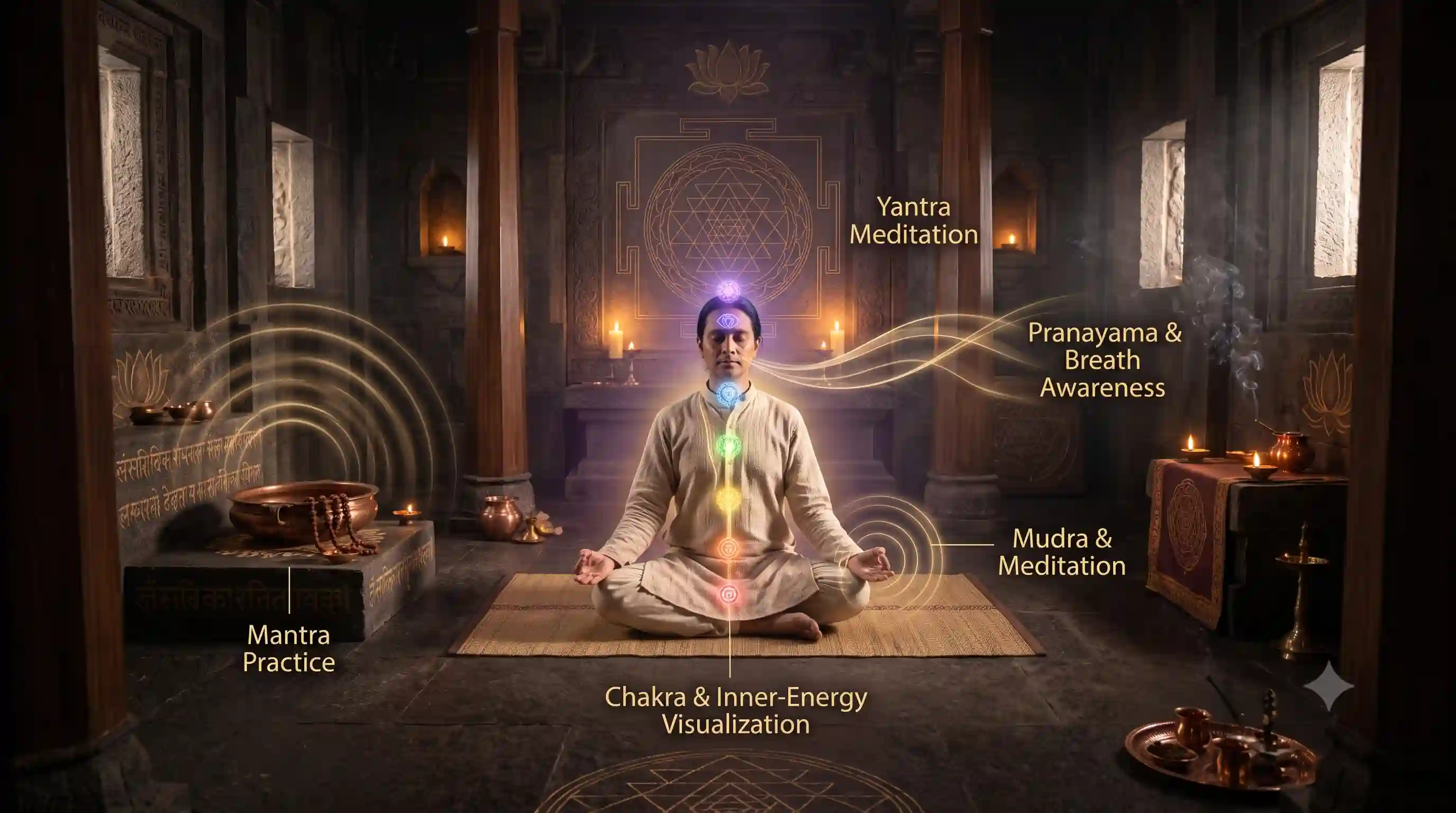
Common techniques include breathing exercises, meditation, and partner work.
5. Is there a risk of emotional vulnerability?
Yes, engaging in Tantra may uncover deep emotions; it’s essential to have support.
6. Can I practice Tantra alone?
Absolutely; solo practices can be incredibly enriching.
7. How does Tantra compare to Nuru massage?
For a detailed comparison, check our article on Tantra vs. Nuru.
8. What should I wear during a session?
Wear comfortable clothing or nothing at all, based on your comfort level.
Conclusion & Next Steps
Tantra therapy offers a unique path toward self-discovery and personal growth. Whether you're looking to enhance intimacy or embark on a spiritual journey, integrating these techniques can be life-changing. For further exploration of related therapies, consider visiting the best Tantra therapy centre in Mumbai for services, prices, and FAQs. Remember, the journey of Tantra is as enriching as the destination.