The Science Behind Tantra Therapy: Evidence-Based Benefits and Transformations
Featured Snippet
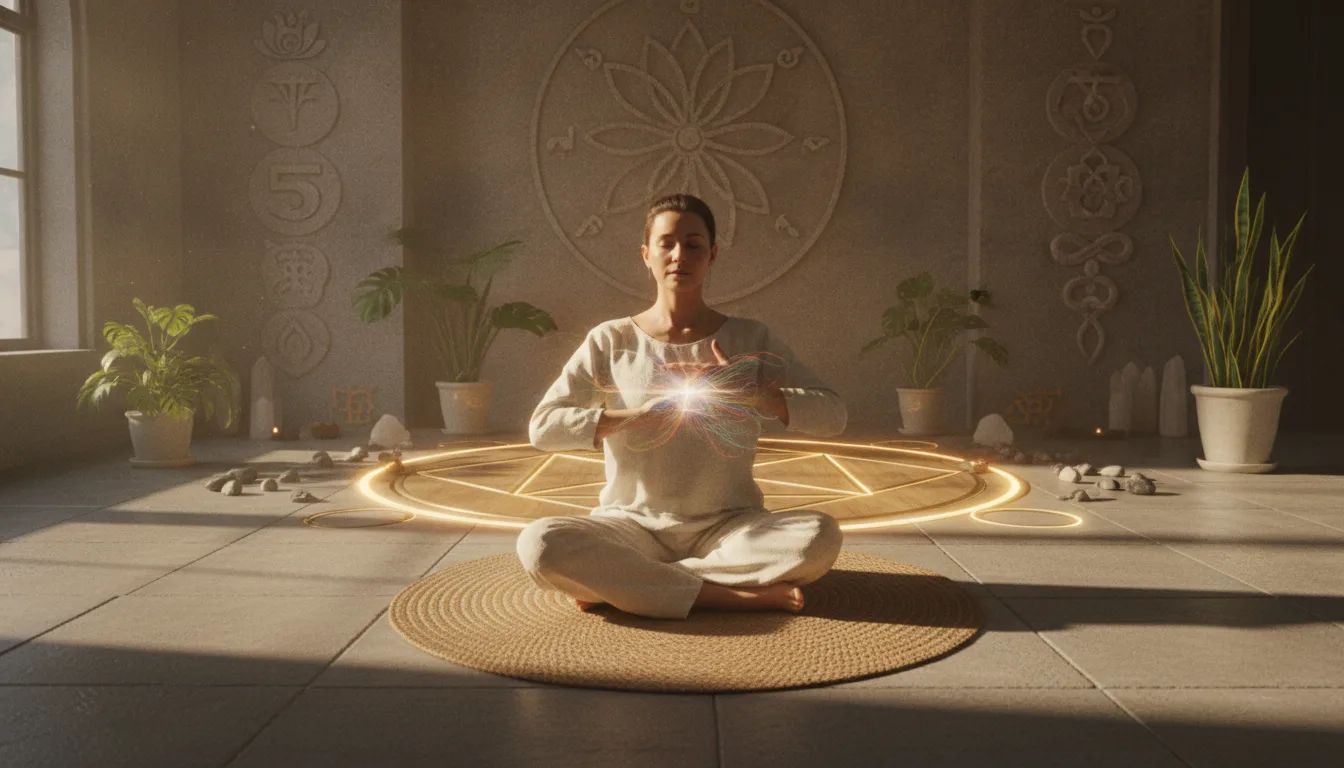
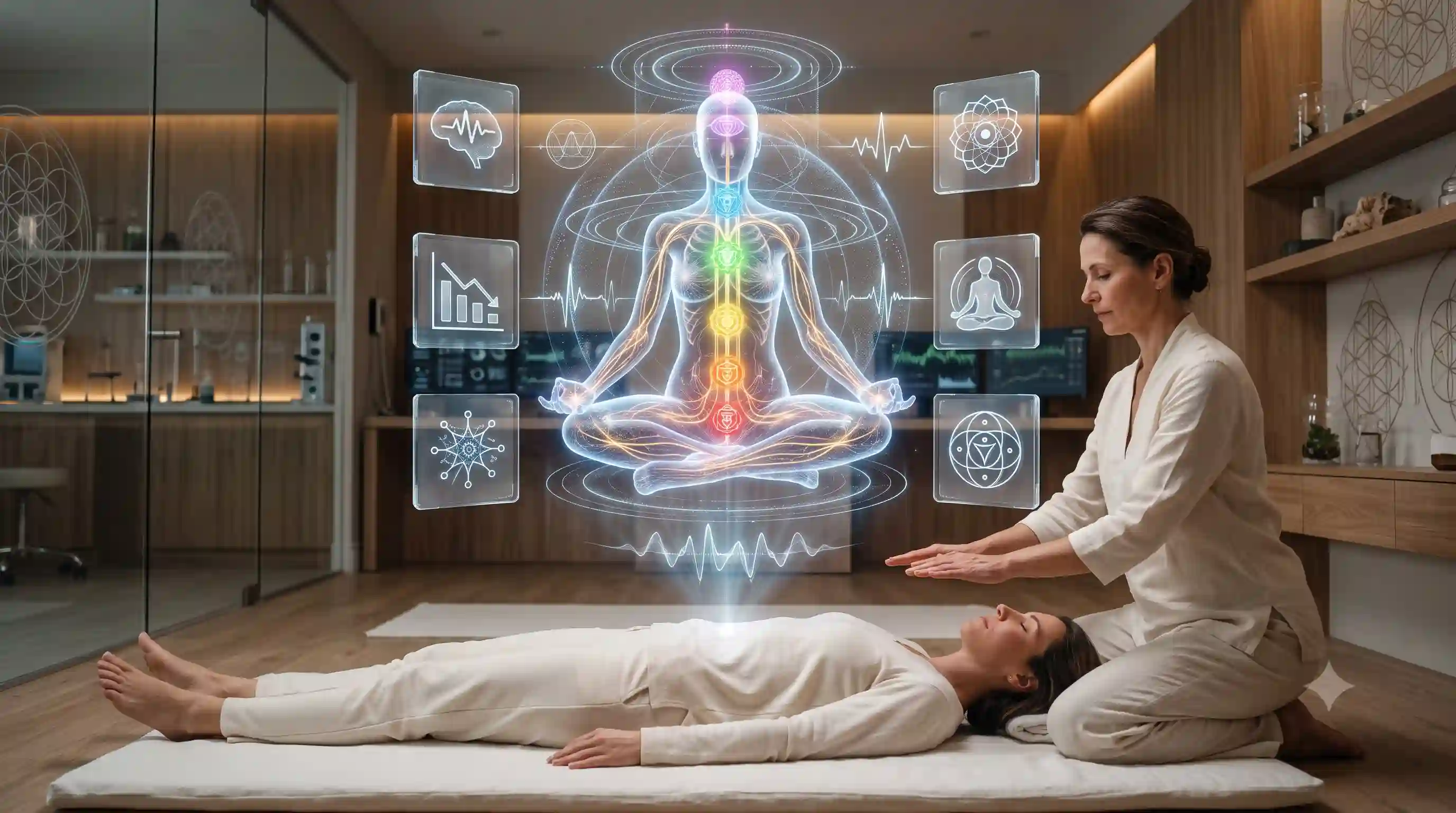
Tantra therapy is a holistic practice that combines physical touch, breathwork, and meditation to cultivate energy awareness, emotional healing, and deep intimacy. This therapy promotes mental clarity, emotional balance, and enhanced connection with oneself and others.
Complete Definition & Overview
Tantra therapy is rooted in ancient spiritual traditions, integrating mindfulness with physical techniques. It focuses on achieving a harmonious balance between body, mind, and spirit, promoting healing through conscious touch and energy exchange. Unlike the often misconceived notion of sexual practices, Tantra therapy seeks to deepen one’s connection to self and others, facilitating complete wellness.
What is Tantra Therapy?
At its core, tantra therapy emphasizes the importance of energy flow and awareness. Practitioners use various techniques, including meditation, yoga, and breathwork, to enhance sensory experience and emotional release. This nurturing approach enables individuals to explore their emotional and spiritual landscapes safely.
Step-by-Step Guide / Process
Engaging in tantra therapy typically follows a structured process to maximize benefits:
- Preparation: Set a safe space free from distractions.
- Grounding: Begin with grounding exercises, focusing on breath and body awareness.
- Connection: Engage with a partner (if applicable) to establish a mutual intention for the session.
- Body Movement: Incorporate gentle movements to awaken the body’s energy.
- Touch and Breath: Use conscious touch and synchronized breathing to deepen the experience.
- Integration: Conclude the session with reflection and integration of the experience.
Benefits & Advantages
Engaging in tantra therapy can offer numerous psychological and physiological benefits, including:
- Emotional Healing: Releases pent-up emotions and unresolved trauma.
- Enhanced Intimacy: Encourages deeper connections between partners.
- Stress Reduction: Lowers cortisol levels, promoting relaxation.
- Increased Energy Awareness: Cultivates a better understanding of one’s energy and how to manage it.
- Mindfulness: Promotes a heightened state of awareness and presence.
Safety Guidelines & Best Practices
While tantra therapy can provide profound benefits, adhering to safety guidelines is crucial:
- Informed Consent: Ensure all participants are comfortable and consenting.
- Qualifications: Engage with qualified practitioners.
- Environment: Create a safe, respectful, and inviting environment.
- Communication: Maintain open dialogue regarding comfort levels and boundaries.
Comparison Table
| Aspect | Tantra Therapy | Nuru Massage |
|---|---|---|
| Focus | Energy Awareness & Healing | Body-to-Body Sensation |
| Purpose | Emotional & Spiritual Healing | Physical Pleasure |
| Techniques | Meditation, Breathwork | Massage, Lubrication |
| Practitioner Role | Guide & Healer | Service Provider |
For a deeper exploration of these practices, consider reviewing our articles on the differences between Nuru and Tantra.
Expert Tips & Recommendations
Maximize your experience with these expert tips:
- Stay Open-Minded: Allow yourself to embrace the experience without judgment.
- Practice Regularly: Integrate tantra principles into your daily life.
- Seek Guidance: Consider workshops or retreats for immersive learning.
Common Mistakes to Avoid
Avoid these pitfalls to ensure a positive experience:
- Skipping Preparations: Proper groundwork enhances the session.
- Ignoring Boundaries: Respect personal space and comfort levels.
- Overthinking: Stay present rather than analyzing the experience.
Comprehensive FAQs
Here are some common questions about tantra therapy:
- 1. What is tantra therapy?
- Tantra therapy is a holistic practice that combines physical touch, breathwork, and meditation to promote emotional healing and energy awareness.
- 2. How does tantra therapy differ from Nuru massage?
- While both involve bodywork, tantra therapy focuses on emotional healing and energy connection, whereas Nuru massage emphasizes physical pleasure. Explore more about the Nuru massage in Bangalore and Delhi for further insights.
- 3. Are there any risks associated with tantra therapy?
- Risks arise mainly from improper practices, such as inadequate consent or untrained practitioners. Always prioritize safety.
- 4. Can tantra therapy be practiced alone?
- Yes, many practices can be done individually, focusing on self-awareness and energy management.
- 5. What should I expect during a session?
- You can expect a safe, nurturing environment focused on exploring your emotional and energetic boundaries.
- 6. How often should I practice tantra therapy?
- This varies by individual, but regular practice can enhance benefits.
- 7. Is tantra therapy suitable for everyone?
- While beneficial, it is essential to ensure that all participants feel comfortable and safe.
- 8. How can I find a qualified tantra therapist?
- Research local practitioners and read reviews. Consider visiting best tantra therapy centers for guidance.
Conclusion & Next Steps
Tantra therapy represents a significant pathway to emotional and spiritual healing, fostering deeper connections with oneself and others. To embark on this transformative journey, consider exploring local workshops or centers specializing in energy healing and wellness practices. Embrace the experience with an open heart, and allow yourself to be transformed by the holistic benefits of tantra therapy.