What Is Singing Bowl Sound Therapy?
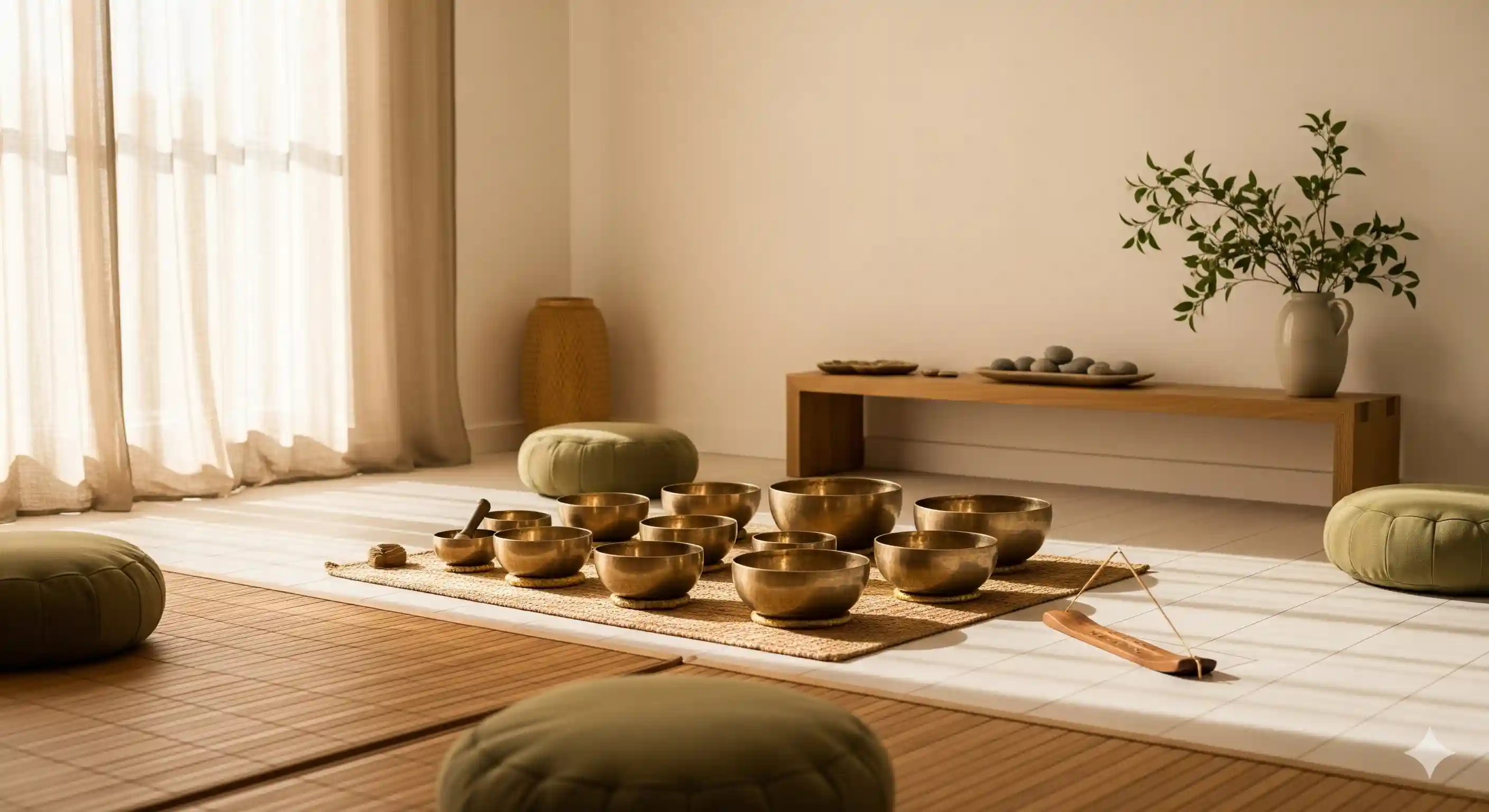
Singing bowl sound therapy is a relaxing practice where metal bowls are struck or rubbed to produce deep, humming sounds and vibrations. These aren't your everyday kitchen bowls—they're specially crafted, often from a mix of metals, and designed to create tones that linger in the air.
Rooted in Tibetan and Himalayan traditions, singing bowls have been used for meditation and healing rituals for thousands of years. But don't worry, it's not overly mystical; today, it's more about everyday wellness than ancient ceremonies.
The therapy harnesses sound and vibration to promote relaxation. When a bowl is played, the sound waves and subtle tremors help quiet the mind, much like a lullaby for your nervous system.
It's different from music therapy, which often involves listening to or creating songs for emotional expression. Singing bowl therapy focuses purely on the bowls' tones and vibes—no lyrics or instruments needed.
For more on the foundations, check out our articles on What is Sound Therapy and What is Tibetan Singing Bowl.
How Singing Bowl Sound Therapy Works
At its core, this therapy taps into how our bodies respond to sound. Here's a straightforward breakdown.
Sound Vibrations & the Body
When a singing bowl is played, it sends out vibrations that you can feel rippling through the air and even into your skin. These gentle waves travel through tissues and muscles, creating a massaging effect from the inside out. Many people describe it as a warm, grounding sensation that helps release built-up tension, leaving you feeling more centered and at ease.
Brain Waves & Relaxation
Sound from the bowls can nudge your brain into slower wave patterns, like alpha or theta states—the ones associated with daydreaming or light meditation. This shifts you away from the high-alert beta waves of daily stress, activating your body's natural relaxation response. It's like flipping a switch from "fight or flight" to "rest and digest," without any effort on your part.
Benefits of Singing Bowl Sound Therapy
People rave about the subtle yet powerful effects of these sessions. Here's what you might experience:
- Deep relaxation: The sounds help melt away physical and mental tightness, like a full-body sigh of relief.
- Stress & anxiety reduction: Regular exposure can lower cortisol levels, making everyday worries feel less overwhelming.
- Improved sleep quality: Many find it easier to drift off and stay asleep after a session, thanks to the calmed mind.
- Emotional balance: It can help even out mood swings, fostering a sense of inner harmony.
- Mental clarity: Clearing mental fog, it sharpens focus and creativity in a gentle way.
- Support during meditation & mindfulness: Perfect for beginners, as the sounds anchor your attention without forcing concentration.
Remember, benefits can vary widely—some feel immediate shifts, while others notice changes over time. It's all personal.
What Is Singing Bowl Massage?
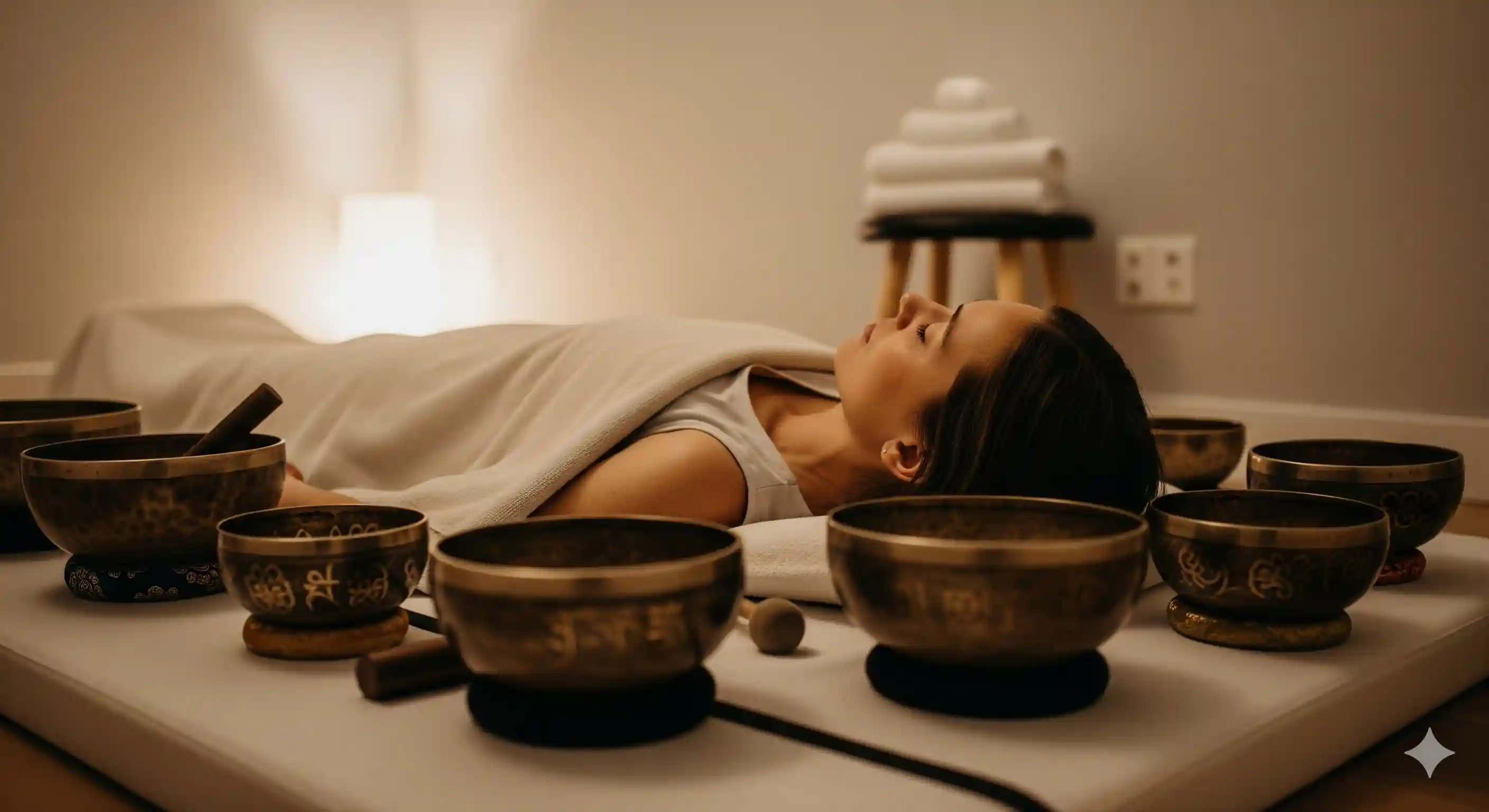
Singing bowl massage takes sound therapy up a notch by incorporating direct contact. Instead of just listening, the bowls are placed on or near your body while they're played, allowing vibrations to penetrate deeper for a more immersive experience.
During a session, you'll lie down fully clothed on a comfortable mat. The therapist might position bowls on your chest, back, or limbs, then gently strike or circle them with a mallet. The result? A soothing "massage" through sound waves that target tense areas without any hands-on pressure.
It's distinct from a standard listening session, where bowls are played around you without touch. Bowl massage feels more tactile and targeted, but it's always non-invasive, non-sexual, and focused on relaxation.
If you're intrigued, explore our deeper dives into Singing Bowl Massage Therapy and Sound Healing Bowls.
Singing Bowl Sound Therapy vs Other Healing Therapies
Wondering how this stacks up against other wellness practices? Here's a neutral look to help you decide what's right for you.
- Vs Meditation: Both aim for mindfulness, but singing bowls provide an external focus—the sounds guide you effortlessly, making it easier for those who struggle with silent sitting.
- Vs Yoga: Yoga involves movement and breathwork for physical benefits, while singing bowl therapy is passive, emphasizing vibration for mental unwind without poses.
- Vs Reiki: Reiki channels energy through hands-on or distant healing, often with a spiritual element. Singing bowls rely on audible vibrations for similar relaxation, but it's more sensory and less about energy flow.
Each has its place—many people blend them for a holistic routine.
What to Expect in a Singing Bowl Sound Therapy Session
If it's your first time, sessions are straightforward and welcoming. Here's a typical flow:
- Arrival & short discussion: You'll chat briefly about your goals or any concerns, helping the therapist tailor the experience.
- Comfortable lying or seated position: Get cozy on a mat or chair—eyes closed, blankets if needed.
- Bowl placement & sound flow: Bowls are played around or on you, building layers of tones that wash over you like ocean waves.
- Session duration: Usually 30–60 minutes, depending on the style.
- Post-session feeling & rest: You might feel deeply relaxed or even a bit spacey; take time to sip water and ground yourself.
No special skills required—just show up and let the sounds do the work. It doesn't demand any particular beliefs; it's accessible to everyone.
Who Can Benefit From Singing Bowl Sound Therapy?
This practice appeals to a wide crowd looking for natural stress relief:
- Working professionals: Ideal for unwinding after long hours at a desk.
- People with stress or burnout: Helps reset overwhelmed nervous systems.
- Meditation beginners: The sounds make it less intimidating to start.
- Seniors: Gentle and low-effort, supporting mobility-limited relaxation.
- Wellness seekers: Anyone exploring holistic ways to boost daily calm.
Who Should Be Careful or Avoid It?
While generally safe, it's not for everyone. Proceed with caution if you have:
- Severe sound sensitivity, like hyperacusis, as the tones could be overwhelming.
- Certain medical implants (e.g., pacemakers)—vibrations might interfere, so check with your doctor.
Always consult a healthcare professional if you have health concerns. Safety first.
How Often Should You Do Sound Therapy?
There's no one-size-fits-all—listen to your body. A single session can offer quick relief during tough times. For ongoing wellness, try weekly to build cumulative calm. During high-stress periods, like work deadlines, more frequent visits might help maintain balance. Start slow and adjust as needed; it's about sustainable relaxation, not overdoing it.
Choosing a Professional Singing Bowl Sound Therapist
Finding the right practitioner makes all the difference. Look for these signs:
- A calm, clean environment that feels inviting and peaceful.
- Proper bowls & technique—authentic tools handled with care.
- Clear explanation of the process upfront, no mysteries.
- No exaggerated healing claims; focus on relaxation, not cures.
- Respectful & professional approach, prioritizing your comfort.
For tips, read our guide on How to Choose a Sound Therapist.
Common Questions About Singing Bowl Sound Therapy (FAQs)
Here are some frequent queries to clear things up:
- Is it religious? Not necessarily—while rooted in Himalayan traditions, modern sessions are secular and focused on wellness.
- Is it safe? Yes, for most people; it's non-invasive, but consult a doctor if you have sensitivities or medical devices.
- How long is a session? Typically 30–60 minutes, with some group ones lasting longer.
- Can beginners try it? Absolutely—it's beginner-friendly with no prior experience needed.
- Is it a medical treatment? No, it's a complementary wellness practice for relaxation, not a substitute for medical care.
- Do I need to believe in it? Nope; the effects come from the sounds themselves, regardless of beliefs.
Final Thoughts
Singing bowl sound therapy offers a simple path to deeper relaxation in our fast-paced lives. From the soothing vibrations that ease stress to the tactile calm of bowl massage, it's a gentle way to nurture your well-being. Remember, it's all about personal exploration—give it a try and see how it resonates with you. In the end, finding moments of peace is what matters most.