Featured Snippet
Tantra therapy focuses on holistic healing through mindfulness, intimacy, and energy work, setting it apart from traditional healing practices that often target physical ailments. Explore its benefits and practices for emotional healing.
Complete Definition & Overview
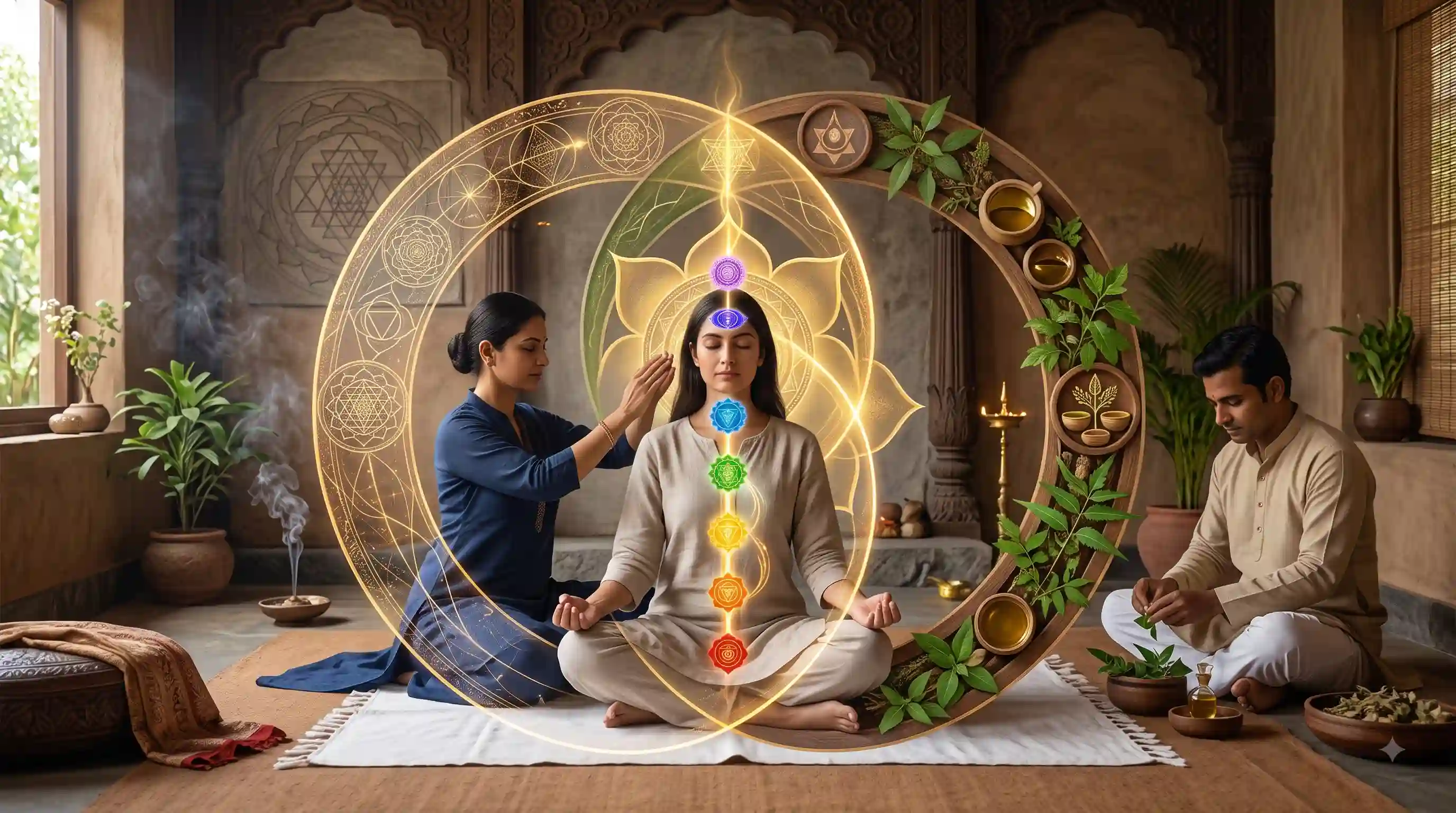
Tantra therapy is an ancient practice rooted in spiritual traditions, primarily from India. It emphasizes a deep connection between body and mind through mindfulness techniques, meditation, and sensual experiences. Unlike traditional healing practices which often target specific ailments or pain, tantra therapy encompasses a holistic approach that fosters emotional healing and personal growth.
What is Traditional Healing?
Traditional healing practices vary across cultures but generally involve methods like herbal medicine, acupuncture, and spiritual healing tailored to treat physical and mental ailments. These practices often rely on established protocols and standardized methods, contrasting with the more fluid and intimate nature of tantra therapy.
Step-by-Step Guide / Process
The process of engaging in tantra therapy can be multi-faceted:
- Preparation: Set intentions for your session, ensuring you are in a safe and comfortable environment.
- Breathwork: Begin with breath control techniques to center yourself and connect with your body.
- Mindfulness Exercises: Engage in guided meditations that encourage awareness of your feelings and sensations.
- Partner Work (if applicable): This may involve exercises focusing on touch and energy exchange, allowing deeper emotional connections.
- Integration: Post-session discussions or reflections help consolidate experiences and insights gained.
Benefits & Advantages
Tantra therapy offers numerous benefits:
- Enhanced Emotional Well-being: Helps release suppressed emotions, promoting healing.
- Improved Mindfulness: Cultivates present-moment awareness, reducing anxiety.
- Greater Intimacy: For couples, it can deepen emotional and physical connections.
- Holistic Healing: Addresses both mental and physical aspects of health.
Safety Guidelines & Best Practices
To ensure a safe experience with tantra therapy:
- Always work with certified practitioners who understand the nuances of tantra.
- Establish clear boundaries and communicate openly with your partner or therapist.
- Be aware of personal triggers and limits during sessions.
- Consider attending a tantra workshop for a comprehensive understanding before diving into individual sessions.
Comparison Table
| Feature | Tantra Therapy | Traditional Healing |
|---|---|---|
| Focus | Mindfulness, intimacy, energy | Physical ailments, symptoms |
| Approach | Holistic, emotional | Symptomatic, standardized |
| Practitioners | Trained in spirituality, energy work | Medical or traditional healers |
Expert Tips & Recommendations
For those considering tantra therapy, here are some expert recommendations:
- Research various styles of tantra to find what resonates with you.
- Join forums or groups to share experiences and learn from others.
- For additional insights, read about the most powerful tantra practices.
Common Mistakes to Avoid
When engaging in tantra therapy, steer clear of these common pitfalls:
- Rushing into sessions without proper preparation.
- Ignoring personal boundaries or comfort levels.
- Neglecting aftercare or integration processes.
Comprehensive FAQs
1. What is tantra therapy?
Tantra therapy is a holistic healing approach that combines mindfulness, emotional healing, and spiritual practices.
2. How does tantra therapy differ from traditional healing?
While traditional healing often focuses on physical symptoms, tantra therapy emphasizes emotional and spiritual wellness.
3. Is tantra therapy safe?
Yes, provided you work with certified practitioners and establish clear boundaries.
4. Can tantra therapy benefit couples?
Definitely, it can enhance intimacy and emotional connection between partners.
5. How long does a tantra therapy session last?
Sessions typically range from one to two hours, depending on the structure of the therapy.
6. Are there any specific preparations needed?
Setting intentions and creating a comfortable, safe environment is crucial.
7. Can I combine tantra therapy with traditional healing?
Yes, many people find that combining both approaches can enhance their overall well-being.
8. How do I find a tantra therapist?
You can explore various centers, such as the best tantra therapy centre in Mumbai, to find qualified professionals.
Conclusion & Next Steps
Tantra therapy presents a unique avenue for mindfulness and emotional healing, standing apart from traditional practices. For those interested in exploring tantra, consider starting with safe practices and finding reputable practitioners. To explore other options, check out our comparisons between tantra and nuru massages for a broader understanding of holistic healing techniques.
For more information about which massage is better, tantra or nuru, dive into our comprehensive guide.
Understanding the intricacies of these practices allows for enriched experiences and deeper emotional and spiritual health.