Featured Snippet
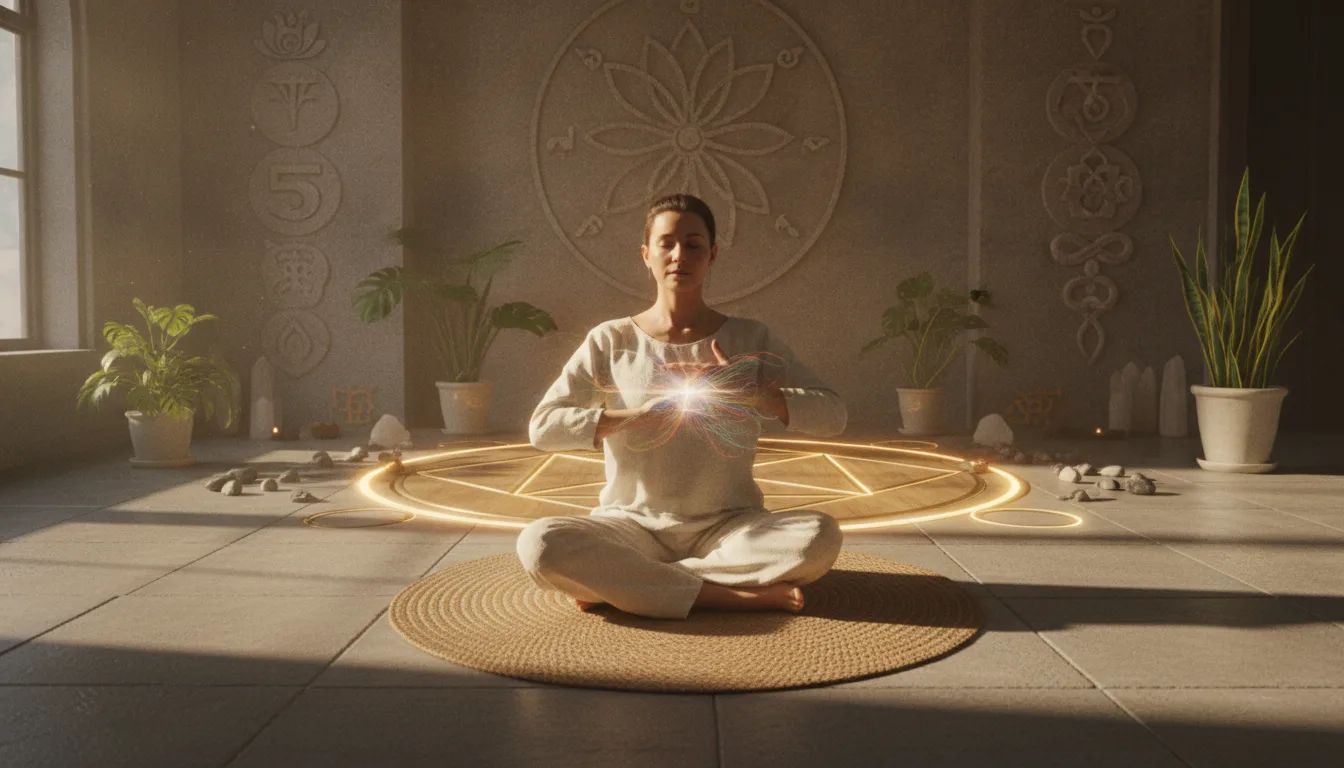
Tantra therapy is a holistic approach to personal growth and healing, integrating physical, emotional, and spiritual wellness. This therapy utilizes techniques such as breath work, movement, and energy exchange to foster deeper connections with oneself and others.
Complete Definition & Overview
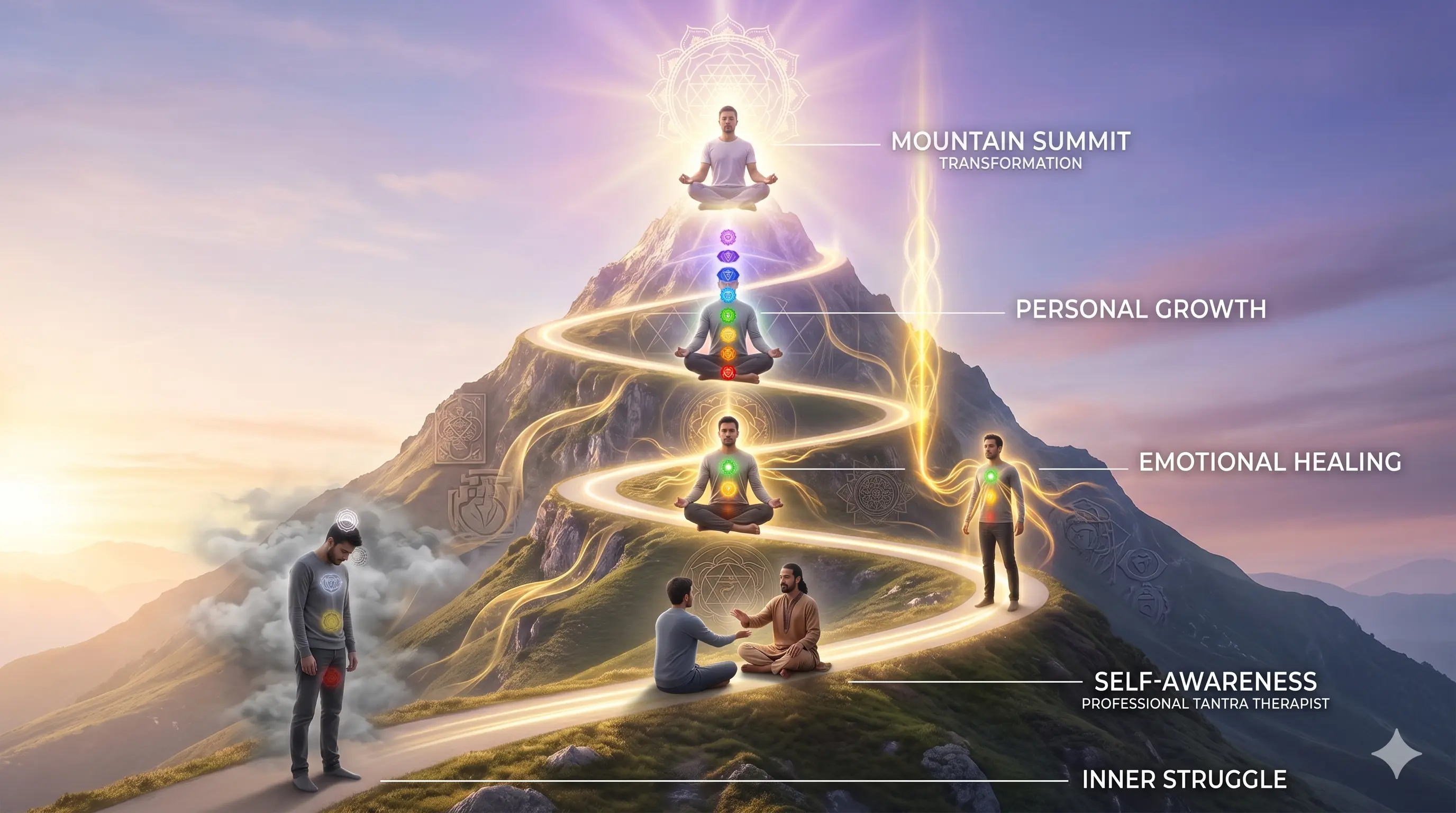
Tantra therapy is a nuanced form of therapy that draws on ancient Indian practices. Grounded in the belief that the mind, body, and spirit are interconnected, tantra therapy aims to harmonize these aspects. The process often involves various practices such as meditation, breath work, and physical touch, enhancing self-awareness and promoting emotional healing.
Understanding the Roots of Tantra
Originating from ancient spiritual traditions, tantra encompasses a wide array of practices. While often misunderstood as merely sexual in nature, genuine tantra therapy emphasizes deep emotional connections and spiritual growth. The goal is to break down barriers and liberate energy flow, fostering a more profound sense of self.
Step-by-Step Guide / Process
To engage effectively in tantra therapy, one can follow these steps:
- Preparation: Set an intention for your session. This could be emotional healing, stress relief, or enhanced self-awareness.
- Comfort and Safety: Ensure a safe and comfortable space, ideally with a trained therapist.
- Breath Work: Begin with deep breathing exercises to ground yourself.
- Body Awareness: Engage in mindful body movements to open energy pathways.
- Partner Interaction: If applicable, practice techniques with a partner to enhance connection.
- Reflection: Spend time reflecting on your experiences after the session.
Benefits & Advantages
Engaging in tantra therapy offers a multitude of benefits, including:
- Emotional Healing: Assists in processing past traumas and emotional blocks.
- Enhanced Intimacy: Fosters deeper connections in romantic and platonic relationships.
- Stress Relief: Reduces anxiety and promotes relaxation through breath and movement.
- Increased Self-Awareness: Encourages a better understanding of oneself.
- Holistic Wellness: Integrates physical, emotional, and spiritual well-being.
Safety Guidelines & Best Practices
While tantra therapy can be profoundly beneficial, adhering to safety guidelines is essential:
- Choose Qualified Practitioners: Always work with trained and certified tantra therapists.
- Communicate Boundaries: Clearly communicate your comfort levels and boundaries.
- Establish Consent: Consent is paramount during interactions, especially in partner work.
- Listen to Your Body: Trust your instincts; if something feels uncomfortable, speak up.
Comparison Table
| Aspect | Traditional Therapy | Tantra Therapy |
|---|---|---|
| Focus | Cognitive and behavioral issues | Mind, body, and spiritual connection |
| Method | Talk therapy, techniques | Breath work, touch, movement |
| Emotional Healing | Indirect | Direct through body awareness |
Expert Tips & Recommendations
To maximize your tantra therapy experience:
- Find the Right Therapist: Research practitioners to ensure they align with your goals.
- Practice at Home: Incorporate breath work and mindfulness into your daily routine.
- Explore Different Techniques: Experiment with various practices such as Nuru massage or cuddle therapy for holistic healing.
Common Mistakes to Avoid
When engaging in tantra therapy, be wary of the following:
- Ignoring Consent: Always ensure all parties are comfortable.
- Underestimating Preparation: Preparation can significantly affect your experience.
- Overthinking: Allow yourself to be present and experience the process.
Comprehensive FAQs
1. What is the primary goal of tantra therapy?
The primary goal is to connect the mind, body, and spirit to promote holistic healing.
2. Can anyone participate in tantra therapy?
Yes, tantra therapy is open to individuals from all backgrounds and experiences.
3. How is tantra therapy different from other forms of therapy?
Tantra therapy focuses on physical, emotional, and spiritual wellness rather than just cognitive issues.
4. Is tantra therapy safe?
When conducted by a qualified practitioner, it is considered safe.
5. What techniques are commonly used in tantra therapy?
Techniques include breath work, movement, meditation, and sometimes touch.
6. Can tantra therapy enhance relationships?
Yes, it often leads to deeper connections and improved intimacy between partners.
7. Are there any specific preparations needed?
It’s essential to set intentions and find a safe space before beginning.
8. What types of tantra practices can I explore?
Practices can include Nuru massage and various breathing exercises.
Conclusion & Next Steps
Tantra therapy serves as a powerful tool for personal growth and emotional healing. If you’re ready to explore this transformative journey, consider visiting the best tantra therapy centre in your area for further guidance and support. Embrace the journey of self-discovery, healing, and connection.