Featured Snippet
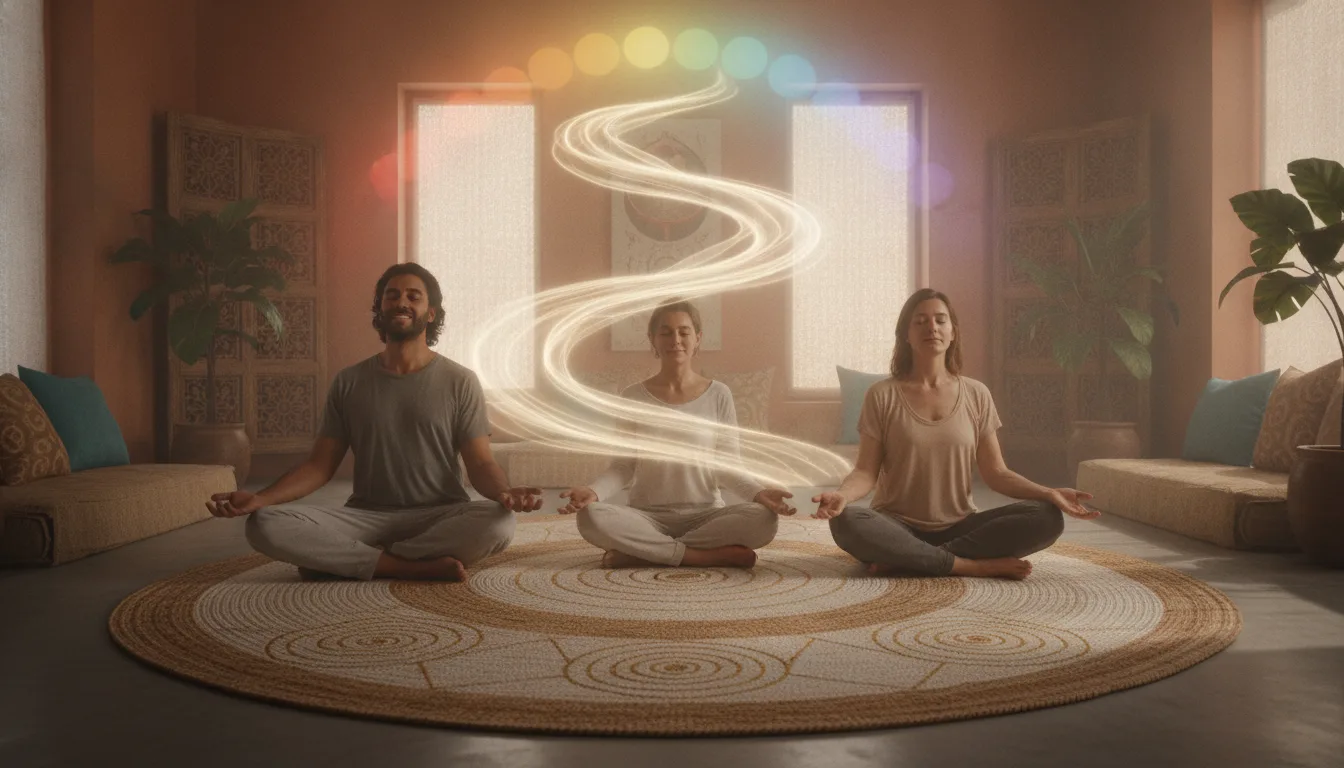
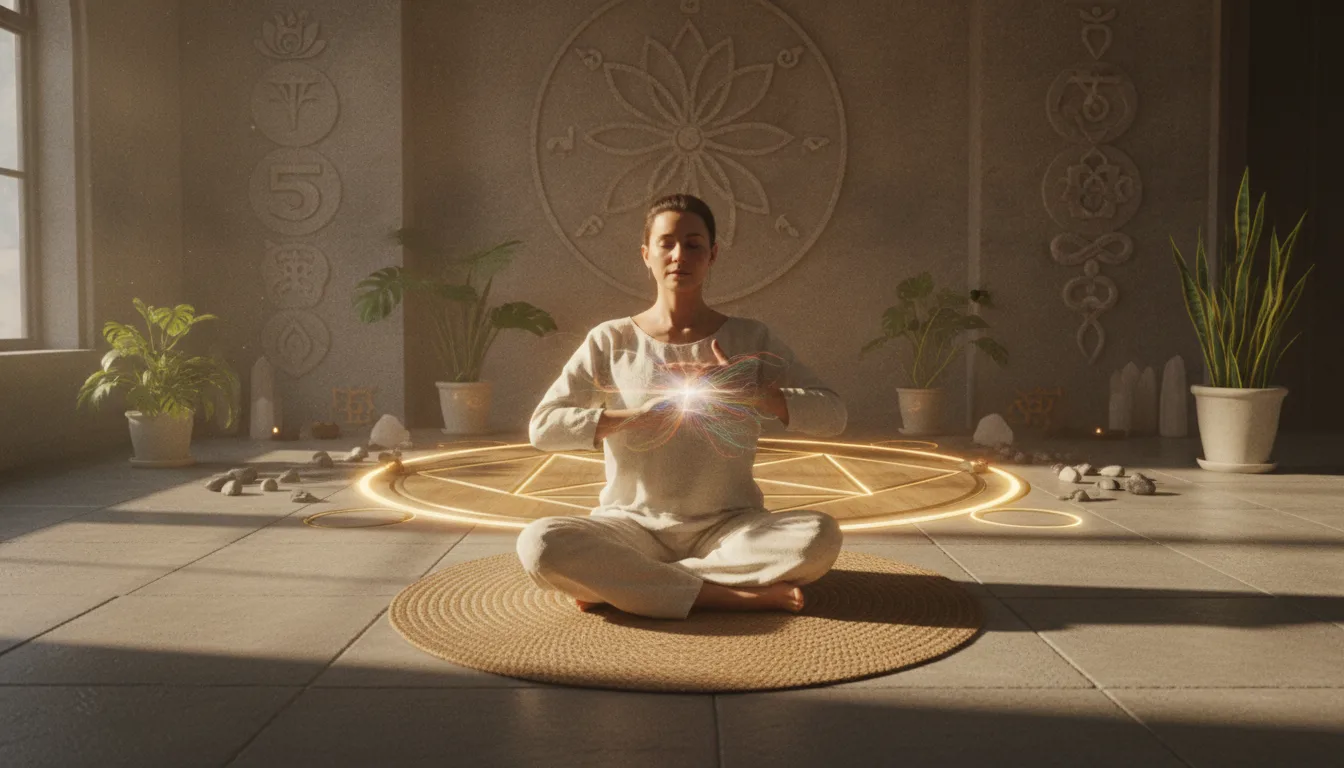
Mindfulness practices in Tantra therapy facilitate emotional release by promoting awareness and acceptance of feelings. This holistic approach integrates mindfulness techniques with Tantra principles to foster healing and emotional balance.
Complete Definition & Overview
Mindfulness practices involve being present and fully engaged in the moment, consciously noticing thoughts and sensations without judgment. In the context of Tantra therapy, mindfulness serves as a crucial tool for emotional release. By combining mindful awareness with the ancient teachings of Tantra, individuals can explore deeper emotional layers, fostering healing and empowerment.
Step-by-Step Guide / Process
- Preparation: Create a safe and comfortable space for your practice. This can be in a quiet room where you feel relaxed.
- Set Intentions: Before beginning your session, think about what you wish to achieve. This could be emotional release or personal growth.
- Practice Mindfulness: Engage in deep breathing exercises to center yourself. Focus on your breath, letting go of any distracting thoughts.
- Incorporate Tantric Techniques: Include practices such as visualization or breathwork, essential in Tantra therapy.
- Reflect: After your session, take some time to journal your experiences, thoughts, and feelings. This reflection process enhances the effectiveness of emotional release.
Benefits & Advantages
The synergy of mindfulness practices and Tantra therapy offers numerous benefits:
- Emotional Release: Helps in processing suppressed emotions, leading to healing.
- Increased Awareness: Cultivates a deeper understanding of one’s thoughts and feelings.
- Stress Reduction: Mindfulness lowers stress levels, enhancing overall well-being.
- Community and Support: Engaging in Tantra therapy often establishes a sense of community, providing emotional support.
Safety Guidelines & Best Practices
While practicing mindfulness within Tantra therapy, it’s essential to adhere to certain safety guidelines:
- Consult a qualified Tantra therapist, especially for first-time sessions. For more on this, check out private sessions in Chennai.
- Be aware of your emotional triggers and communicate them with your therapist.
- Follow your body’s cues; if something feels uncomfortable, pause and breathe through it.
Comparison Table
| Aspect | Mindfulness Practices | Tantra Therapy |
|---|---|---|
| Focus | Present moment awareness | Holistic spiritual connection |
| Emotional Processing | Gentle acknowledgment | Deep release and transformation |
| Physical Techniques | Breathwork, meditation | Body movement, touch |
Expert Tips & Recommendations
To maximize your experience with mindfulness and Tantra therapy:
- Start with guided sessions, especially if you are new to these practices. Explore benefits in Mumbai.
- Consistency is key. Regular practice will enhance your emotional resilience.
- Keep an open mind and heart; allow the process to unfold naturally.
Common Mistakes to Avoid
Avoid these common pitfalls to ensure a fruitful experience:
- Rushing through the process without allowing yourself to feel emotions fully.
- Setting unrealistic expectations for immediate results.
- Neglecting the importance of aftercare and self-reflection post-session.
Comprehensive FAQs
1. What is the role of mindfulness in Tantra therapy?
Mindfulness enhances awareness and acceptance of emotions, facilitating deeper emotional release.
2. Can anyone practice mindfulness in Tantra therapy?
Yes, mindfulness can be practiced by anyone interested in emotional healing and self-discovery.
3. How does mindfulness improve emotional health?
By fostering awareness and reducing stress, mindfulness helps individuals process emotions more effectively.
4. Is it necessary to have a therapist for these practices?
While self-practice is beneficial, working with a qualified therapist can provide guidance and support.
5. Where can I find Tantra therapy sessions?
Look for private sessions in Karnataka for personalized experiences.
6. What if I feel overwhelmed during a session?
Always communicate with your therapist about any discomfort. They can offer coping strategies.
7. How often should I practice mindfulness in Tantra therapy?
Regular practice, ideally several times a week, yields the best emotional release results.
8. Can mindfulness practices be used outside of Tantra therapy?
Absolutely, mindfulness can enhance various therapeutic approaches and personal well-being.
Conclusion & Next Steps
Understanding the role of mindfulness practices in Tantra therapy opens the door to profound emotional release and healing. Start by setting your intentions and seeking a qualified therapist to guide you on this transformative journey. Explore available sessions in your area, such as Chennai, and begin your journey toward emotional freedom and wellness.