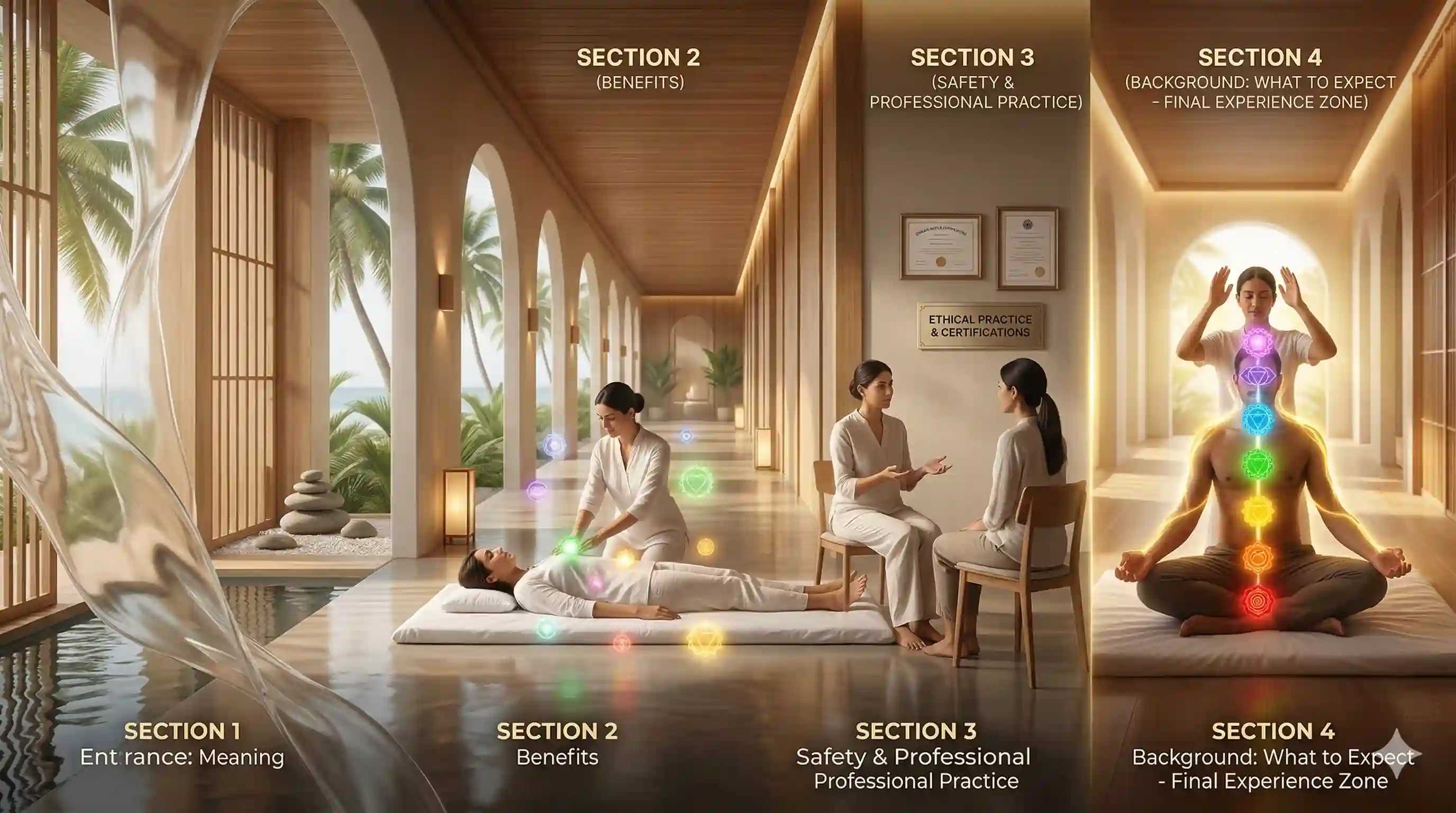
What Is Nuru Massage? (Wellness Perspective)
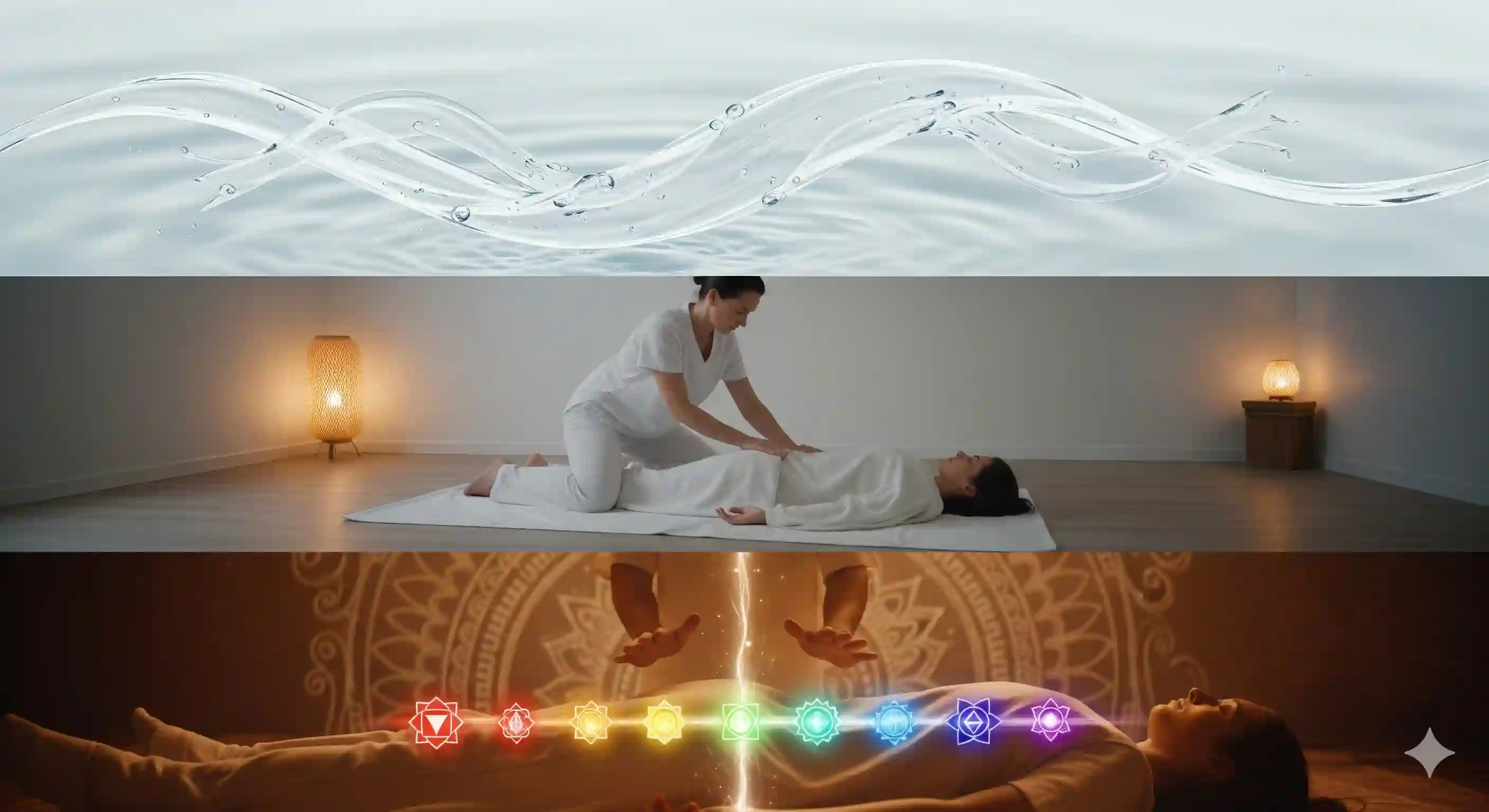
At its core, Nuru massage is a specialized body-based relaxation therapy that originated in Kawasaki, Japan. The term "Nuru" translates to "slippery," referring to the unique experience created during the session.
-
The Medium: The hallmark of this practice is the use of a specialized, water-based gel made from Nori (seaweed) extracts.
-
The Technique: Unlike traditional massages that use hands and thumbs to knead muscles, Nuru focuses on continuous, fluid movements. It is a highly tactile therapy designed to promote sensory awareness, deep muscle relaxation, and a profound sense of comfort.
-
The Goal: The objective is holistic wellness—reducing cortisol levels and providing a meditative state through the art of touch and glide.
Learn More: Discover the complete history in our Pillar Page: What Is Nuru Massage?
How Nuru Massage Is Practiced as a Wellness Service in India
In the Indian wellness sector, professional centers have adapted Nuru massage into a structured, spa-style service. Authentic practitioners focus on the following elements:
-
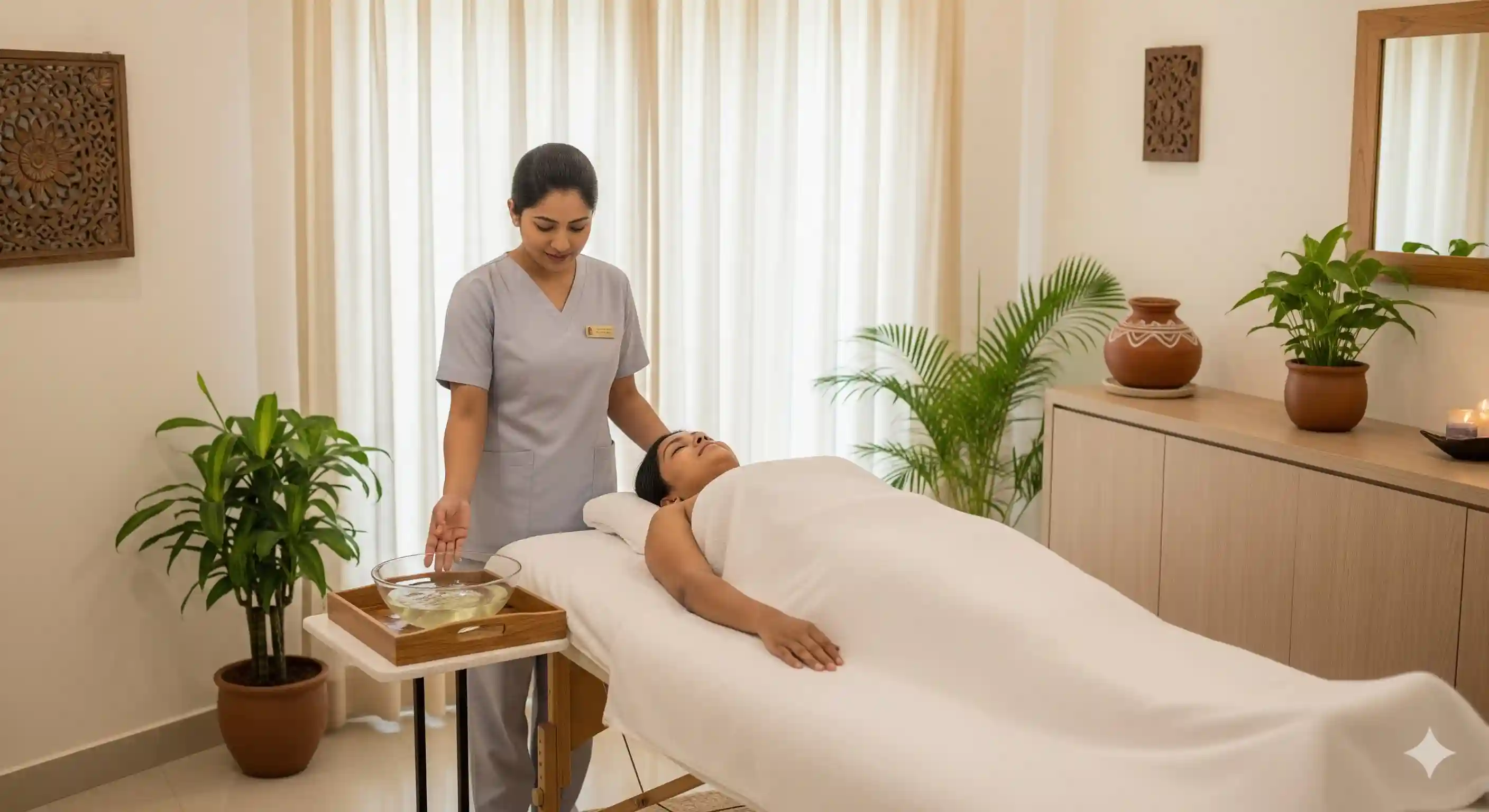
Professional Environment: Sessions take place in temperature-controlled, hygienic rooms designed for tranquility.
-
Structured Protocols: A session typically begins with a consultation and a pre-massage shower to ensure hygiene for both the therapist and the client.
-
Consent & Boundaries: Professionalism is maintained through clear communication regarding comfort levels and the specific areas of focus.
-
Therapist Expertise: In reputable Indian centers, therapists are trained to maintain the rhythm and flow of the "glide" without breaking contact, which is the technical heart of the therapy.
Common Misconceptions About Nuru Massage in India
Misinformation can lead to safety risks and legal confusion. Let’s address the most common myths:
| Myth | Reality |
| "Nuru massage is illegal everywhere." | Massage therapy is a legal wellness service when practiced under proper licenses. |
| "It is sexual by default." | Authentic Nuru is a therapeutic wellness practice focused on relaxation, not sexual services. |
| "It is unsafe." | When performed in a professional center using organic, water-based gels, it is a safe and hygienic therapy. |
| "Only meant for men." | Nuru is a gender-neutral wellness therapy aimed at anyone seeking stress relief and sensory relaxation. |
Is Nuru Massage Legal in India? (Clear & Neutral Explanation)
The question of legality in India is nuanced but clear when viewed through a professional lens. Massage services, including Nuru, are legal wellness businesses across India.
The legality depends entirely on how the service is practiced, rather than the name of the massage itself. Under Indian law:
-
Wellness vs. Illegality: Massage for health and relaxation is a protected business activity. Problems only arise if the service crosses the line into "immoral trafficking" or sexual activities, which are governed by the Immoral Traffic (Prevention) Act (ITPA).
-
Licensed Operations: A center must operate with valid municipal licenses and trade permits.
-
Ethical Conduct: As long as the practice remains a professional wellness service without prohibited activities, it remains within legal boundaries.
Deep Dive: For a more technical breakdown, see our guide: Is Nuru Massage Legal in India?
Legal Boundaries Every Nuru Massage Centre Must Follow
To ensure long-term stability and client trust, professional centers in India adhere to strict compliance:
-
Municipal Licensing: Obtaining the necessary "Health Trade License" from local bodies (like the BMC in Mumbai or MCD in Delhi).
-
Transparent Marketing: Avoiding suggestive imagery or misleading "coded" language in advertisements.
-
Hygienic Standards: Following health department guidelines regarding water disposal and sterilization.
-
Staff Verification: Ensuring all therapists are documented and have undergone professional training.
Ethical Standards in Professional Nuru Massage
High-quality wellness centers distinguish themselves through a rigorous code of ethics (E-E-A-T: Experience, Expertise, Authoritativeness, and Trustworthiness):
-
Informed Consent: The client is briefed on the process before the session begins.
-
Dignity & Privacy: Ensuring the client feels secure and respected throughout the session.
-
The Right to Stop: Both the client and the therapist have the absolute right to terminate a session at any point if boundaries are crossed.
-
Confidentiality: Professional centers maintain strict anonymity for their clientele.
Related Reading: Ethics & Boundaries in Wellness Therapy
Client Rights & Safety in Nuru Massage Sessions
As a client, you have the right to a safe and professional experience. Ensure the following:
-
Transparency: You should receive clear pricing upfront with no hidden "add-on" requests.
-
Hygiene: The facility should provide fresh towels and high-grade, skin-safe Nuru gel.
-
Respect: The therapist must maintain professional decorum at all times.
How to Identify a Genuine & Ethical Nuru Massage Centre in India
Before booking, use this checklist to ensure the center is legitimate:
-
[ ] Visible Licensing: Do they have a business license or health permit?
-
[ ] Professional Communication: Is the staff helpful and professional on the phone, or do they use suggestive language?
-
[ ] Clean Environment: Is the facility well-maintained and located in a reputable area?
-
[ ] Clear Menu: Do they offer a variety of wellness services (e.g., Swedish, Deep Tissue) alongside Nuru?
-
[ ] No "Hidden" Services: Does the website focus on wellness and therapy rather than "adult" themes?
Internal Link: How to Identify a Genuine Therapist
Nuru Massage vs. Tantra Therapy (India Context)
While both are "touch-based" therapies, they serve different purposes:
-
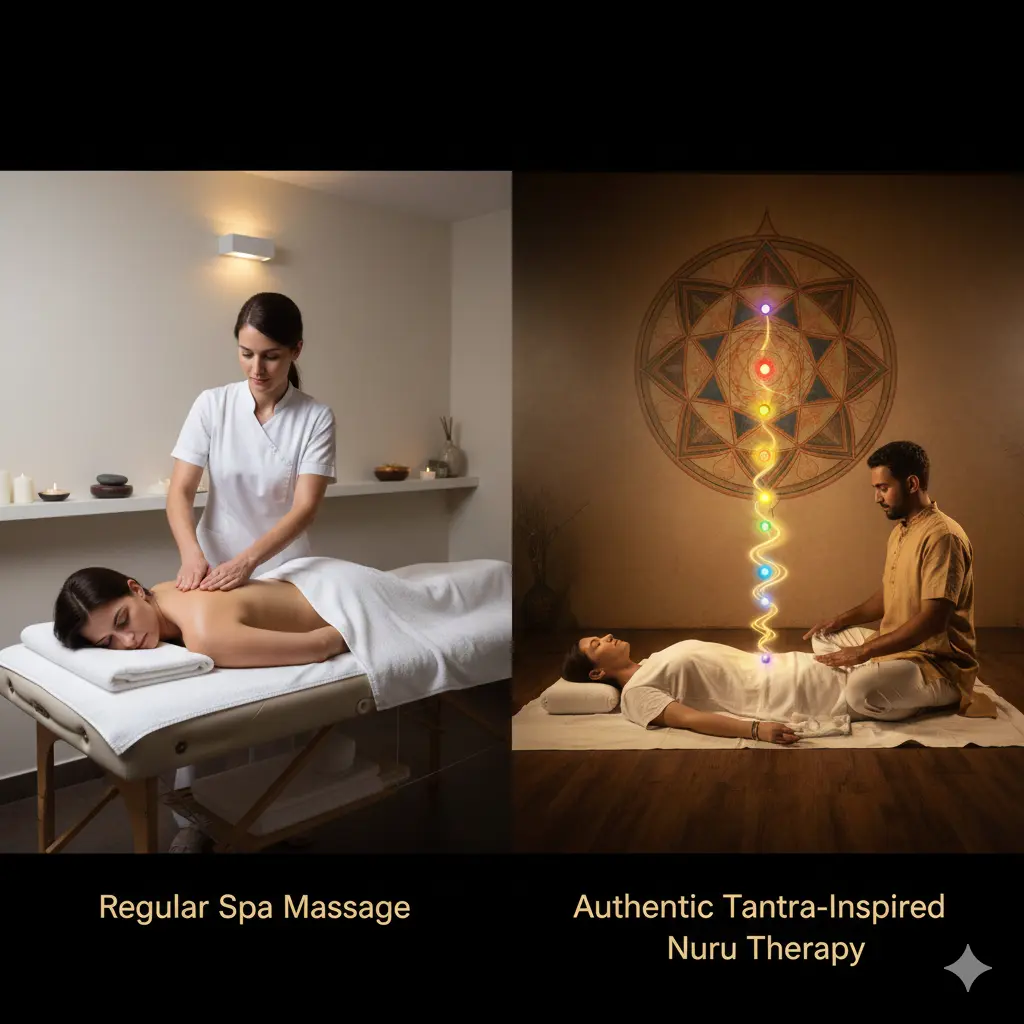
Nuru Massage: Focused on physical sensation, the "glide," and intense skin-on-skin relaxation using gel.
-
Tantra Therapy: Focuses more on energy flow, breathwork, and spiritual connection. It is often slower and more meditative.
-
Choice: Choose Nuru for physical stress relief and sensory relaxation; choose Tantra for emotional or energetic balancing.
Explore More: Tantra Therapy Guide
State-Level Perspective (Local SEO)
In India, wellness rules are often enforced at the state or municipal level. For example:
-
Hyderabad/Telangana: Strict regulations regarding CCTV in common areas and therapist certifications.
-
Maharashtra/Delhi: Specific zoning laws for where a spa can operate.
It is always advisable to research the reputation of centers in your specific city.
FAQs
Is Nuru massage legal in India?
Yes, it is legal as a wellness and relaxation service, provided the center operates with a valid license and does not engage in illegal or sexual activities.
Is it a sexual service?
No. Authentic Nuru is a therapeutic massage technique. While it involves high skin contact, professional centers maintain strict non-sexual boundaries.
Is it safe for my skin?
Yes, professional centers use water-based seaweed gel which is hypoallergenic and hydrating.
Who should avoid it?
People with contagious skin conditions, open wounds, or severe seaweed/iodine allergies should consult a doctor first.
Final Thoughts – Responsible Understanding Matters
Understanding Nuru massage in India requires looking past the myths and focusing on the principles of wellness. When practiced ethically, it is a powerful tool for stress management and physical relaxation. The responsibility lies with both the provider to maintain high standards and the client to choose informed, ethical services. By prioritizing consent, legality, and professionalism, Nuru massage can be a respected part of the modern Indian wellness landscape.