Understanding Alcohol in Tantra
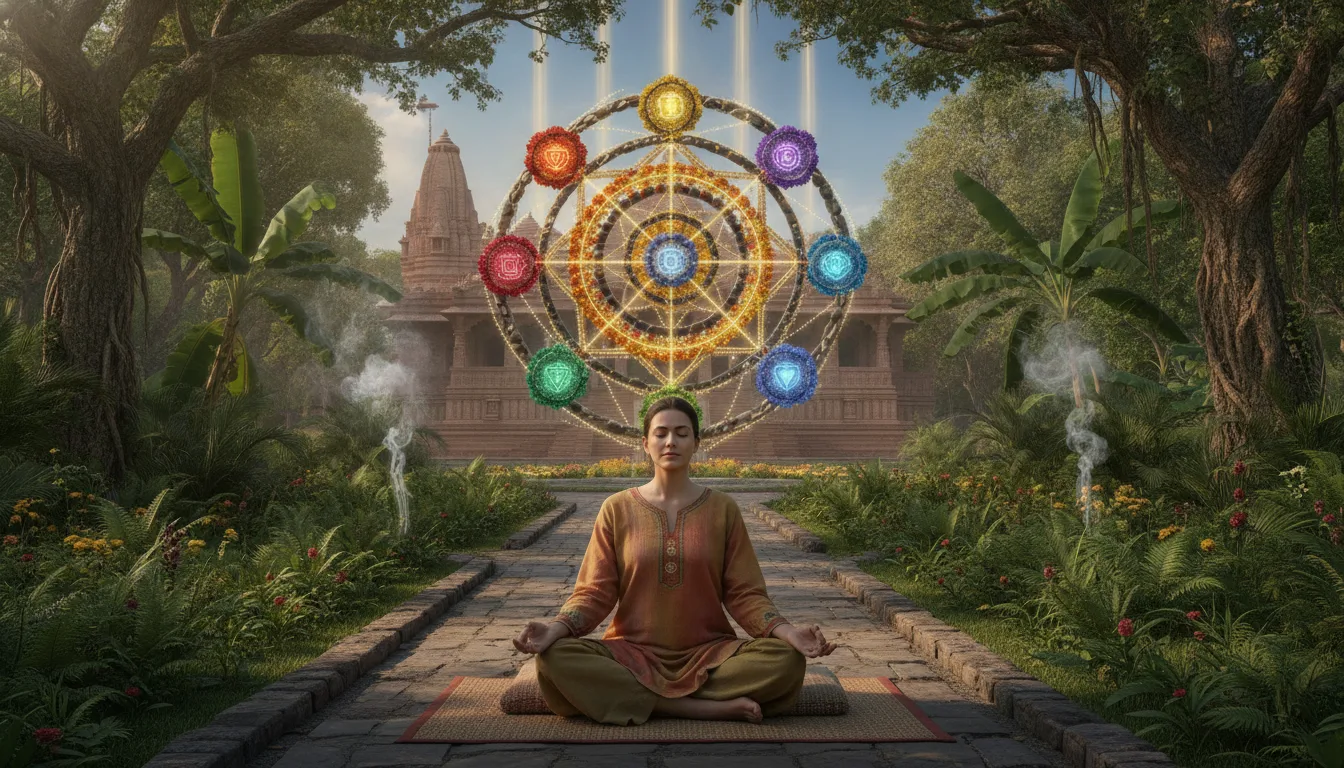
Tantra is an intricate spiritual tradition that often draws misconceptions, particularly around its rituals and symbols. One of the intriguing topics is what alcohol is called in Tantra. Known as 'Madya', alcohol in this context serves more than just an intoxicating purpose. It is a representation of the divine, a medium through which practitioners can transcend mundane experiences.
The Symbolism Behind Madya
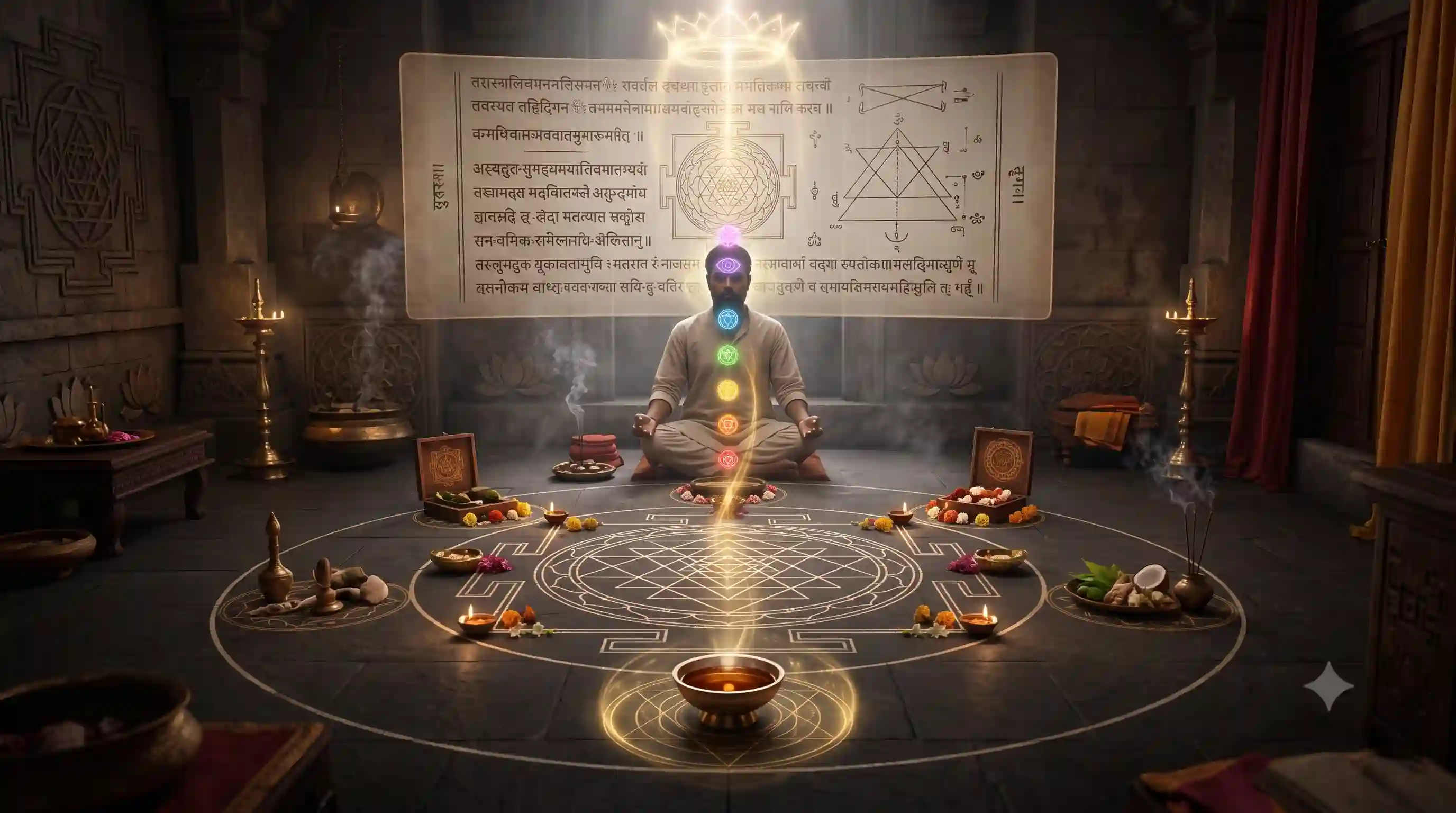
In Tantra, Madya is not merely a drink; it symbolizes liberation, ecstatic union, and the dissolution of rigid boundaries. Engaging with Madya during rituals is believed to enhance spiritual experiences, allowing practitioners to connect with higher energies. It's essential to view this aspect through a lens of respect and reverence, understanding that it's used within specific frameworks and practices.
What Are the 5 Forbidden Things in Tantra?
Understanding the five forbidden things in Tantra offers deeper insights into the path's complexity:
- Meat
- Fish
- Wine (Madya)
- Grains
- Sexuality
Each of these elements holds symbolic meaning, challenging practitioners to confront their attachments and ego. They are not merely to be avoided; rather, they serve as tests that can lead to self-discovery and liberation.
The Left Hand of Tantra
The left hand of Tantra, often referred to as Vamamarga, embraces unconventional practices, including the consumption of alcohol. This path empowers individuals to break societal norms and indulge in experiences that may initially seem taboo. While it celebrates freedom, Tantra Therapy for Stress Relief emphasizes balance and self-awareness.
How to Enter Tantra?
Entering the realm of Tantra requires intention and understanding. Here’s a step-by-step guide:
- Self-Reflection: Begin by assessing your motivations for exploring Tantra.
- Find a Teacher: Seek guidance from an authentic teacher who understands traditional practices.
- Engage in Practices: Participate in rituals, meditation, and breathing exercises. Consider tantric massage for deeper connection.
- Community Support: Join groups or workshops that focus on Tantric teachings.
Real-Life Example: Navigating the Path
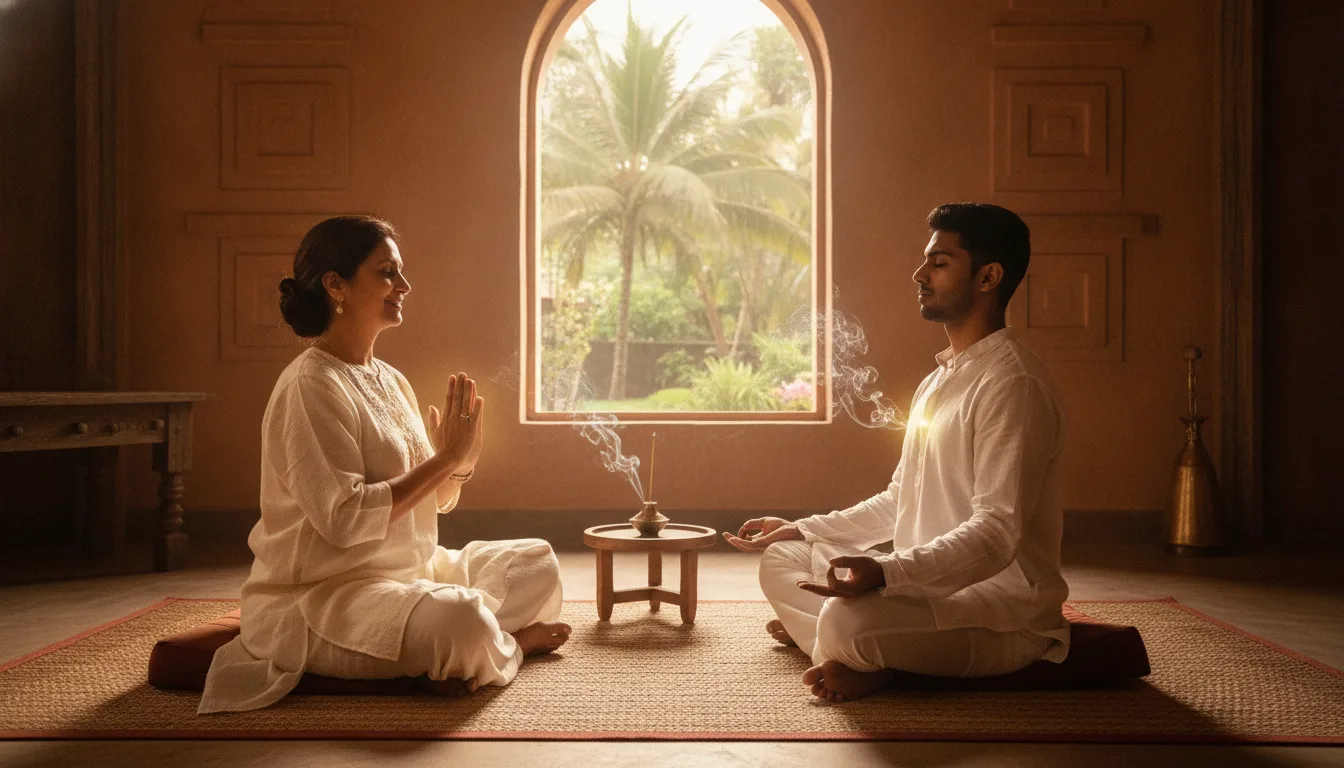
Many individuals in India, such as Priya and Rohan, found sanctuary in Tantra to overcome life's stresses. They attended workshops that incorporated Couple Tantra Therapy in Goa, where they learned about Madya and its role in ritualistic practices, leading to a transformative experience in their relationship.
Myth vs. Facts: Common Misconceptions
Myth:
Alcohol in Tantra is purely about intoxication.
Fact:
Madya serves as a spiritual medium for connection and transcendence.
Myth:
Tantra is solely about sexual practices.
Fact:
While sexuality can be part of Tantra, the focus is much broader, addressing the mind, body, and spirit.
Why is Tantra Therapy Gaining Popularity?
Across cities like Bengaluru and Delhi, the practice of Tantra Therapy is rising. This increase can be attributed to:
- Growing interest in holistic wellness.
- Increased awareness of stress management techniques.
- Community support in urban settings.
Exploring Methods of Healing
Different techniques, such as Singing Bowl Therapy, have shown positive results in helping people combat stress. These therapies, intertwined with Tantric principles, promote relaxation and emotional healing.
Real Insights: Personal Stories
Individuals like Amit, who sought therapy after experiencing burnout, discovered personal transformation through Tantra. By understanding and embracing the rituals, including the role of Madya, he found a newfound balance in life.
Conclusion: Embracing the Mystique of Tantra
Tantra offers profound lessons about life and spirituality. Understanding what alcohol is called in Tantra—Madya—is just the beginning. As we explore its rituals and symbolism, we unveil layers of meaning that can enhance our daily lives. With resources available, including Bengaluru Tantra Therapy, individuals can embark on their journey towards wellness.