Featured Snippet
Tantra therapy is a holistic practice combining spiritual and physical elements to enhance personal growth and intimacy. This guide covers myths, benefits, practical applications, and expert tips for beginners.
Complete Definition & Overview
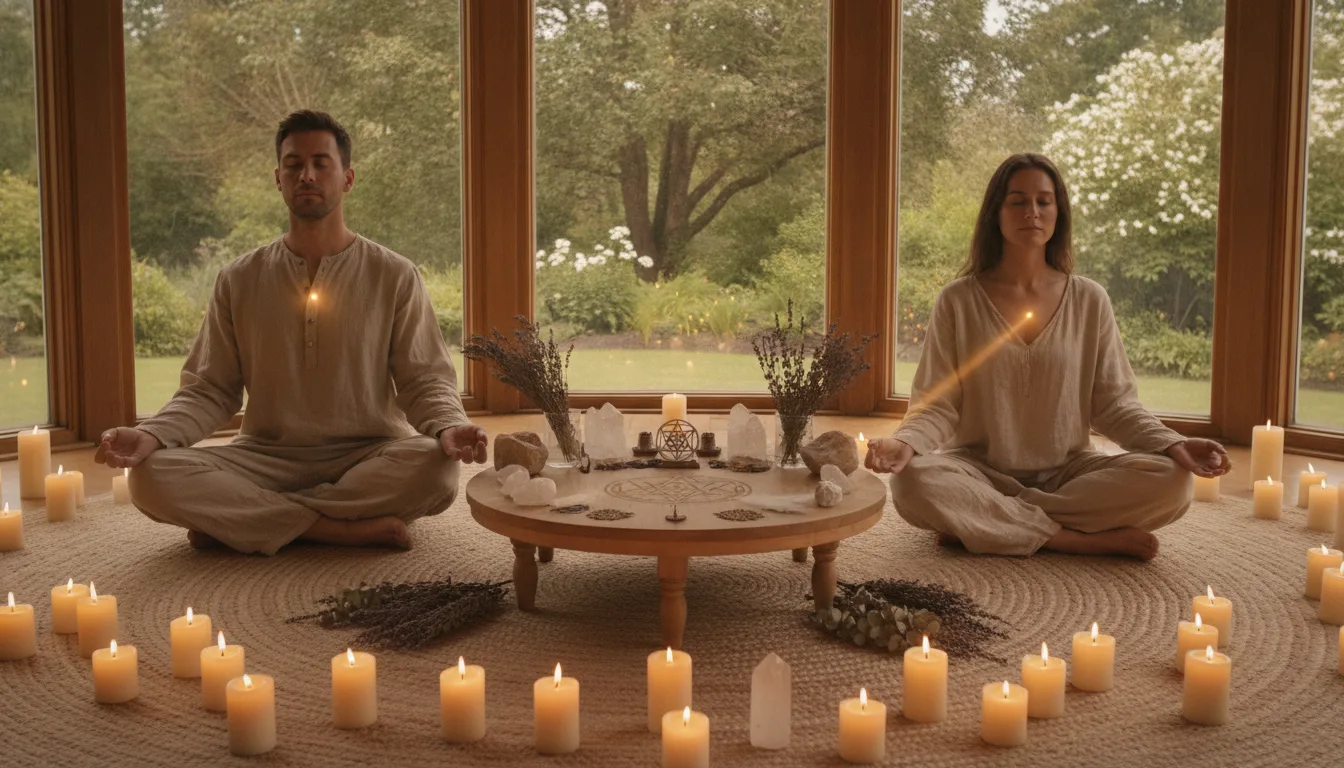
Tantra therapy is often misunderstood, primarily due to its association with sexuality. In reality, it encompasses a broader spectrum of practices aimed at achieving spiritual awakening and emotional healing. Originating from ancient Indian traditions, Tantra combines ritual, meditation, and physical touch to facilitate deeper connections within oneself and with others.
At its core, Tantra is about expanding consciousness and fostering intimacy, both with oneself and with partners. This guide serves as an essential starting point for those interested in exploring the transformative power of Tantra.
Step-by-Step Guide / Process
Embarking on a journey into Tantra therapy involves several steps. Here’s a simple guide:
- Set Intentions: Before starting, define your goals—whether for personal growth, intimacy, or healing.
- Find a Qualified Practitioner: Consider seeking guidance from a professional Tantra therapist to enhance your experience.
- Engage in Breathing Exercises: Focus on breath control to prepare for deeper meditation and connection.
- Practice Mindfulness: Being present helps you stay connected to your body and emotions during your sessions.
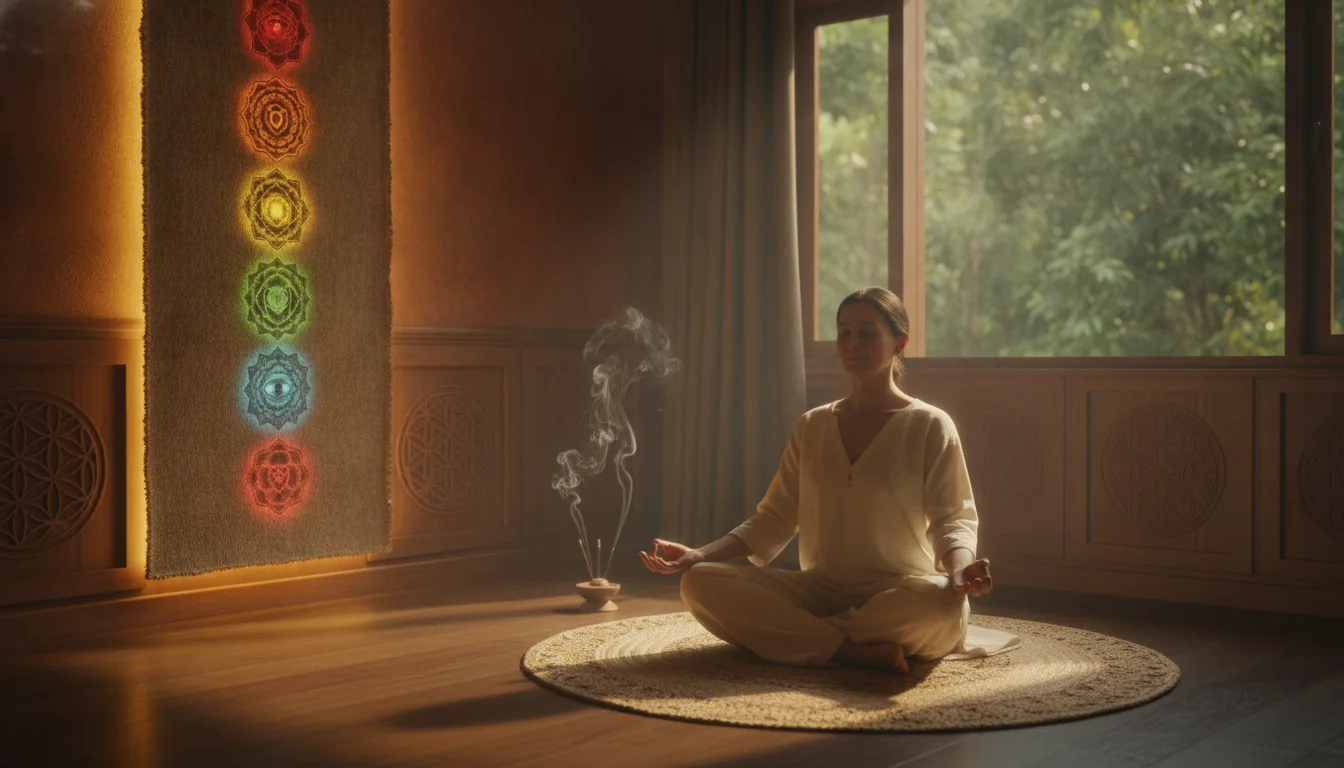
- Incorporate Rituals: Use symbols, chants, or routines to enhance focus and facilitate deeper connections.
- Maintain Communication: Share feelings and boundaries with your partner to create a safe environment.
Benefits & Advantages
Tantra therapy offers numerous advantages, including:
- Improved Relationships: Enhances communication and emotional intimacy between partners.
- Heightened Pleasure: Fosters a deeper understanding of one's own body, leading to greater sexual satisfaction.
- Emotional Healing: Helps individuals work through traumas and negative experiences.
- Enhanced Self-Awareness: Encourages self-discovery and personal growth.
- Stress Reduction: Combines meditation and physical touch, leading to relaxation and stress relief.
Safety Guidelines & Best Practices
Engaging in Tantra therapy requires discretion and respect. Here are key guidelines:
- Consent is Crucial: Always ensure mutual consent for any practices.
- Choose Safe Environments: Select tranquil locations for sessions to avoid distractions.
- Know Your Limits: Be aware of personal boundaries and communicate them clearly.
- Seek Professional Guidance: Especially for beginners, working with a qualified therapist can enhance safety.
- Practice Hygiene: Especially in physical practices, maintaining cleanliness is vital.
Comparison Table
| Tantra Therapy | Traditional Therapy |
|---|---|
| Integrates mind, body, and spirit | Primarily focuses on mental health |
| Includes physical touch | Often involves talk therapy |
| Emphasizes personal growth | Focuses on healing specific issues |
Expert Tips & Recommendations
To make the most of your Tantra therapy journey, consider the following:
- Engage in Regular Practice: Like any skill, consistency enhances understanding.
- Read and Educate Yourself: Utilize resources such as the interactive guide to Tantra therapy to deepen your knowledge.
- Try Different Modalities: Explore practices like Tantric massage in Hyderabad to diversify your experiences.
Common Mistakes to Avoid
Understanding Tantra therapy can be complicated. Here are common pitfalls:
- Ignoring Consent: Always prioritize communication and consent with partners.
- Misunderstanding the Rituals: Rituals are not just formalities; they hold significance in the practice.
- Expecting Instant Results: Personal growth takes time; be patient with your journey.
- Disregarding Safety: Never compromise on safety and hygiene.
Comprehensive FAQs
1. What is Tantra therapy?
It is a holistic approach combining spiritual, emotional, and physical practices aimed at fostering personal growth and intimacy.
2. Is Tantra therapy only about sex?
No, while it includes sexual elements, it focuses more on personal and emotional development.
3. How can I find a practitioner?
You can search for a private Tantra session in Delhi to connect with a qualified practitioner.
4. Are there any specific qualifications for practitioners?
Look for certifications in Tantra therapy and relevant experience.
5. How do I prepare for a session?
Set clear intentions and practice breathing exercises in advance.
6. Can I practice Tantra on my own?
Yes, self-practice is common, although guidance is beneficial for beginners.
7. What should I expect during a session?
Expect guided exercises, rituals, and open communication.
8. How does Tantra compare to other therapies?
Tantra integrates body and spirit, while traditional therapies often focus on mental aspects.
9. Is Tantra therapy suitable for everyone?
Yes, but it's essential to respect personal boundaries and comfort levels.
10. Where can I learn more about Tantric massage?
Check our Bengaluru guide to Tantric massage for detailed information.
Conclusion & Next Steps
Embarking on your Tantra therapy journey can be a transformative experience. Start by educating yourself, identifying your goals, and considering reaching out to a qualified therapist. As you explore this practice, remember that both patience and openness are vital. The world of Tantra awaits you; take the first step today!