Featured Snippet
Tantra therapy offers transformative healing through a blend of body awareness, mindfulness, and intimate connection. By embracing this holistic practice, individuals can experience profound shifts in emotional, spiritual, and physical well-being.
Complete Definition & Overview
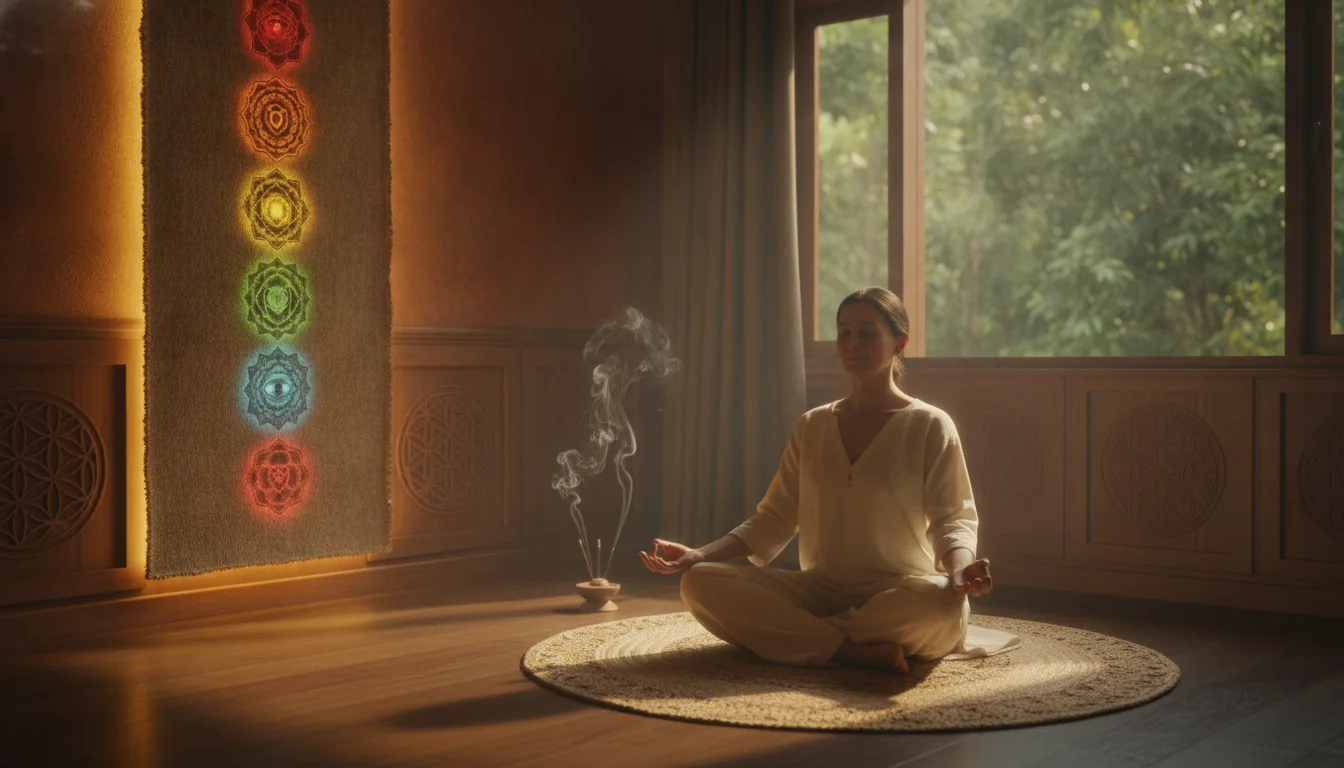
Tantra therapy is a holistic approach that integrates various aspects of physical touch, breathing techniques, and meditation. Rooted in ancient traditions, it aims to enhance awareness of the self and intimacy with others. Unlike traditional forms of therapy, tantra therapy focuses on the mind-body connection, allowing individuals to explore deep-seated emotions, bolster self-esteem, and foster authentic relationships. The practice incorporates elements such as tantric massage, breathing exercises, and meditation, offering a comprehensive method for personal transformation.
Step-by-Step Guide / Process
Engaging in tantra therapy typically follows a structured process that includes the following steps:
- Initial Consultation: Discuss your goals and concerns with a certified tantra therapist.
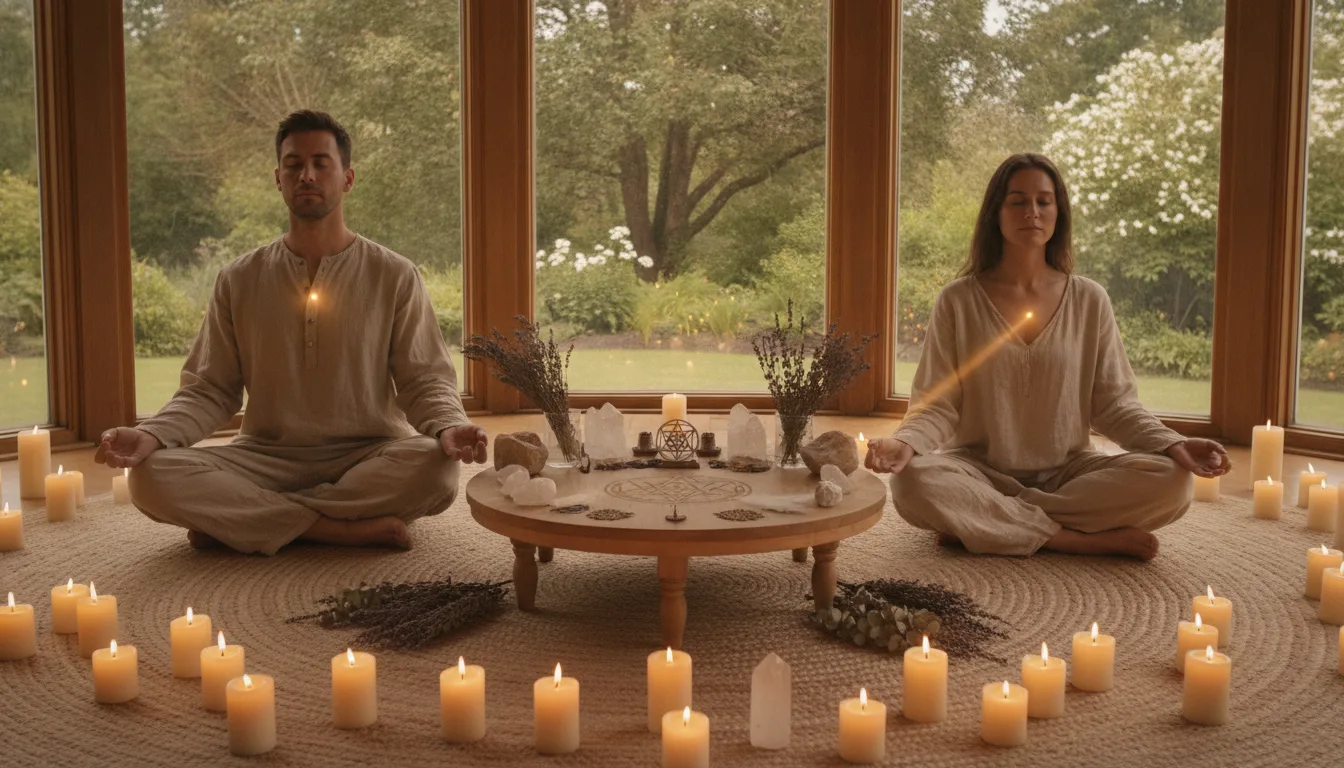
- Creating a Safe Space: Develop an environment conducive to openness and trust, free from distractions.
- Breathing Techniques: Learn and practice specific breathing exercises to enhance relaxation and energy flow.
- Physical Touch: Engage in various touch techniques, such as tantric massage in Delhi, to promote body awareness.
- Mindfulness Practices: Incorporate meditation and mindfulness to deepen emotional connection.
- Follow-Up: Regularly assess progress and adapt techniques as necessary.
Benefits & Advantages
The advantages of tantra therapy are numerous and can profoundly impact one's quality of life. Some notable benefits include:
- Improved emotional regulation and intimacy in relationships.
- Enhanced self-awareness and confidence.
- Physical relaxation and release of tension.
- Spiritual growth and connection.
- Increased energy levels and vitality.
- Support for couples through practices like couple tantra therapy in Delhi.
Safety Guidelines & Best Practices
To ensure a safe and effective tantra therapy experience, consider the following guidelines:
- Choose a certified and experienced therapist.
- Discuss any past trauma or medical conditions upfront.
- Establish clear boundaries regarding physical touch.
- Prioritize consent throughout the process.
- Maintain an open mind and heart.
Comparison Table
| Aspect | Tantra Therapy | Traditional Therapy |
|---|---|---|
| Focus | Mind-body connection | Emotional and cognitive |
| Techniques | Touch, breathing, meditation | Talk-based methods |
| Goal | Holistic transformation | Problem-solving |
| Intimacy Level | High | Low to Moderate |
Expert Tips & Recommendations
Here are some expert tips to maximize your tantra therapy experience:
- Be patient; transformation takes time.
- Regularly practice mindfulness exercises in daily life.
- Communicate openly with your therapist about your needs and feelings.
- Explore related practices, such as cuddle therapy for emotional support.
Common Mistakes to Avoid
Avoid these pitfalls to enhance your tantra therapy journey:
- Not establishing clear boundaries with your therapist.
- Ignoring emotional signals during sessions.
- Holding preconceived notions about intimacy and touch.
- Skipping follow-up sessions or home practices.
Comprehensive FAQs
1. What is tantra therapy?
Tantra therapy is a holistic practice that integrates physical touch, breathing, and mindfulness to foster emotional and spiritual well-being.
2. How does it differ from traditional therapy?
Unlike traditional therapy, tantra therapy emphasizes the mind-body connection and often includes physical touch.
3. Is tantra therapy safe?
Yes, when practiced with a certified therapist and clear boundaries, it can be a safe and rewarding experience.
4. How can I find a tantra therapist?
You can find a professional tantra therapist in your area through resources like this guide.
5. What are the qualifications to look for in a therapist?
Look for certification in tantra therapy and sufficient experience in the field.
6. Can tantra therapy help with relationship issues?
Yes, it can enhance intimacy and communication in relationships, especially through practices like couple tantra therapy in Delhi.
7. What should I expect in my first session?
Your therapist will likely perform an assessment, explain techniques, and establish comfort levels.
8. Are there any contraindications for tantra therapy?
Individuals with specific psychological or physical conditions should consult a healthcare professional before starting therapy.
Conclusion & Next Steps
Tantra therapy offers profound opportunities for transformation, blending emotional healing and physical rejuvenation. By understanding its principles and processes, you can embark on a journey to enhance your life. Consider seeking guidance from a professional to explore this enriching practice further.