Featured Snippet
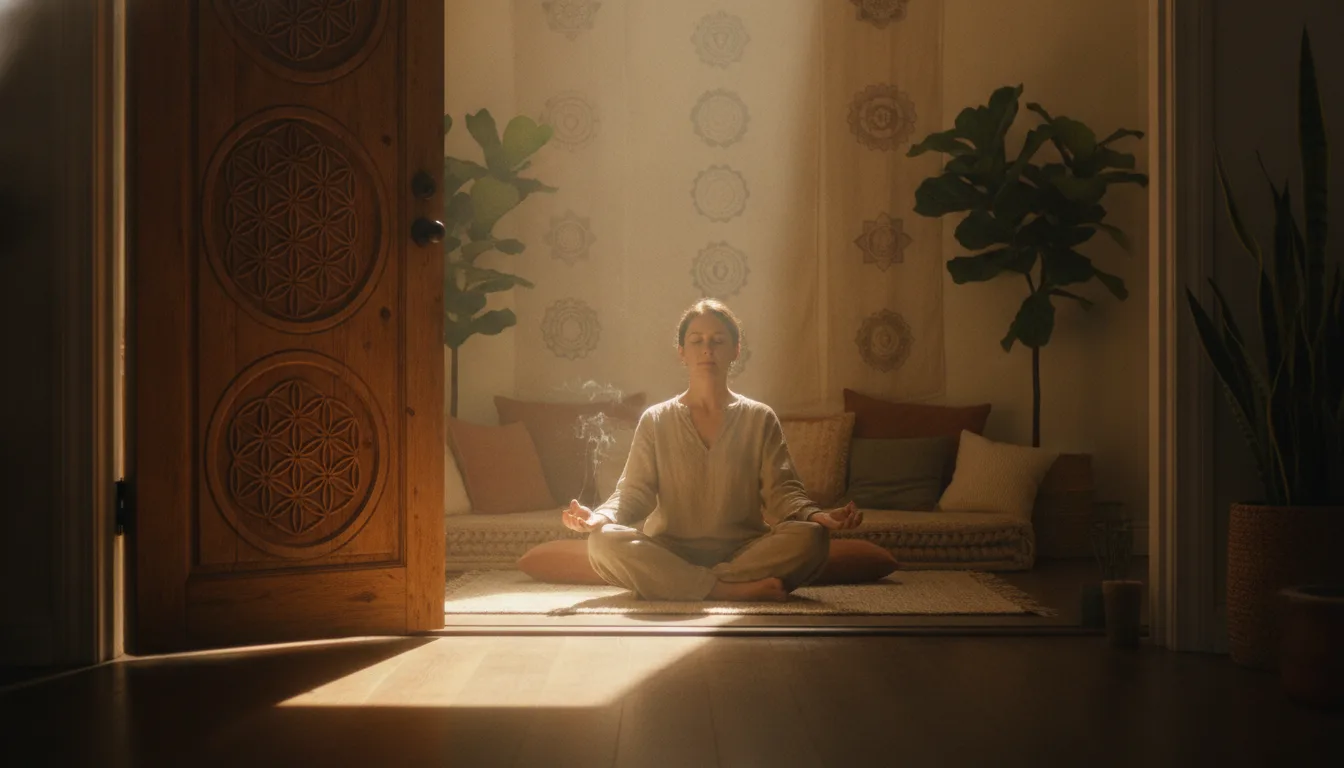
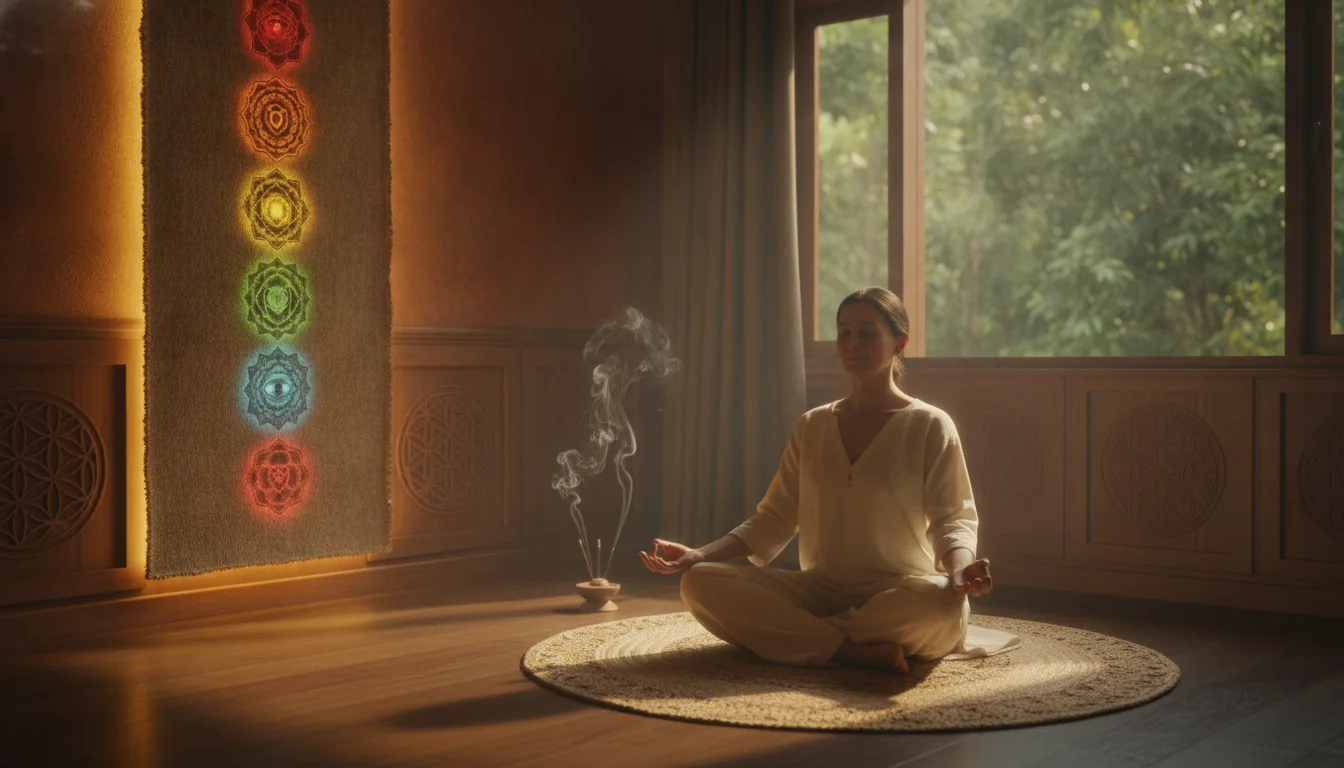
Tantra therapy explores the ancient practices of tantra, promoting spiritual growth, emotional healing, and physical wellness. It blends philosophical teachings with modern therapeutic techniques to foster holistic well-being.
Complete Definition & Overview
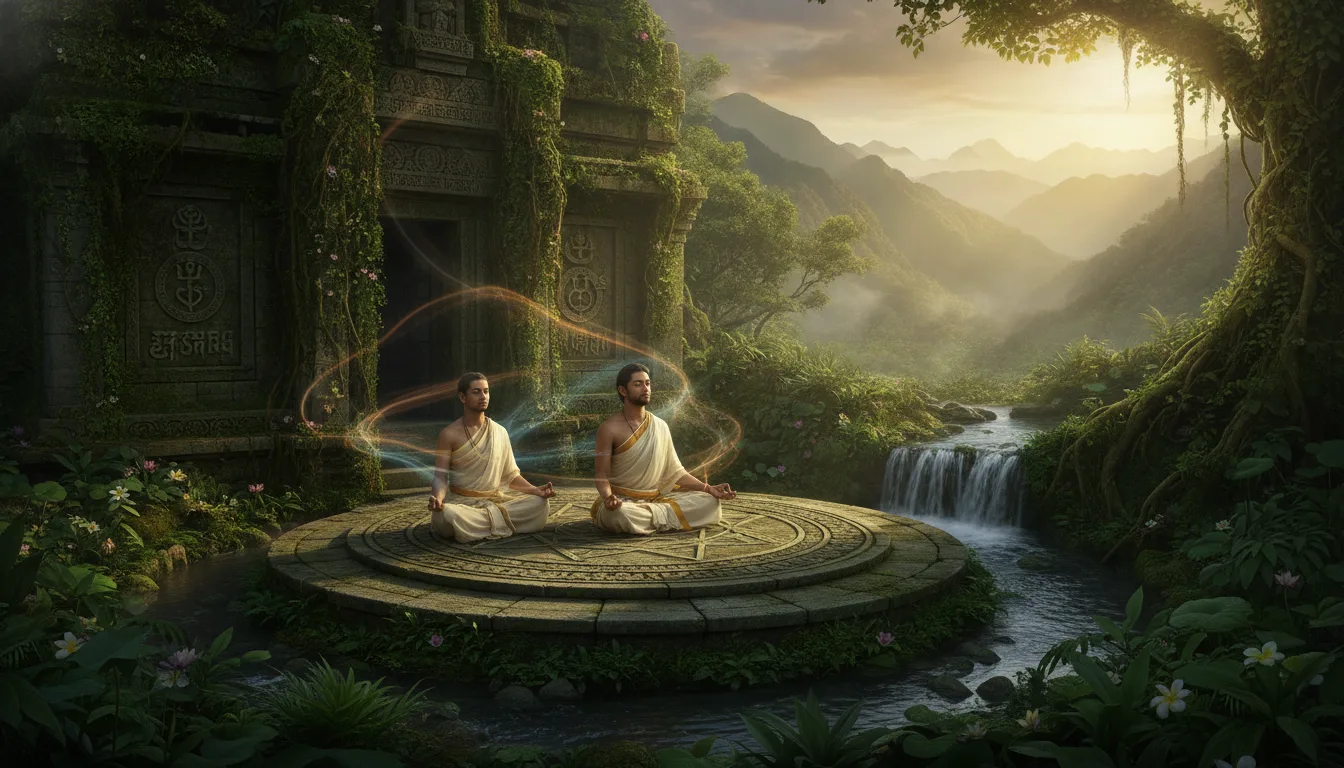
Tantra is a multifaceted spiritual tradition that originated in India, often described as a union of energy and consciousness. At its core, tantra therapy merges ancient rituals with contemporary therapeutic practices, focusing on personal transformation and holistic healing. This approach addresses emotional, physical, and spiritual wellness, enabling individuals to connect with their inner selves and the universe.
Step-by-Step Guide / Process
Engaging in tantra therapy involves a structured process that integrates various elements of the tradition:
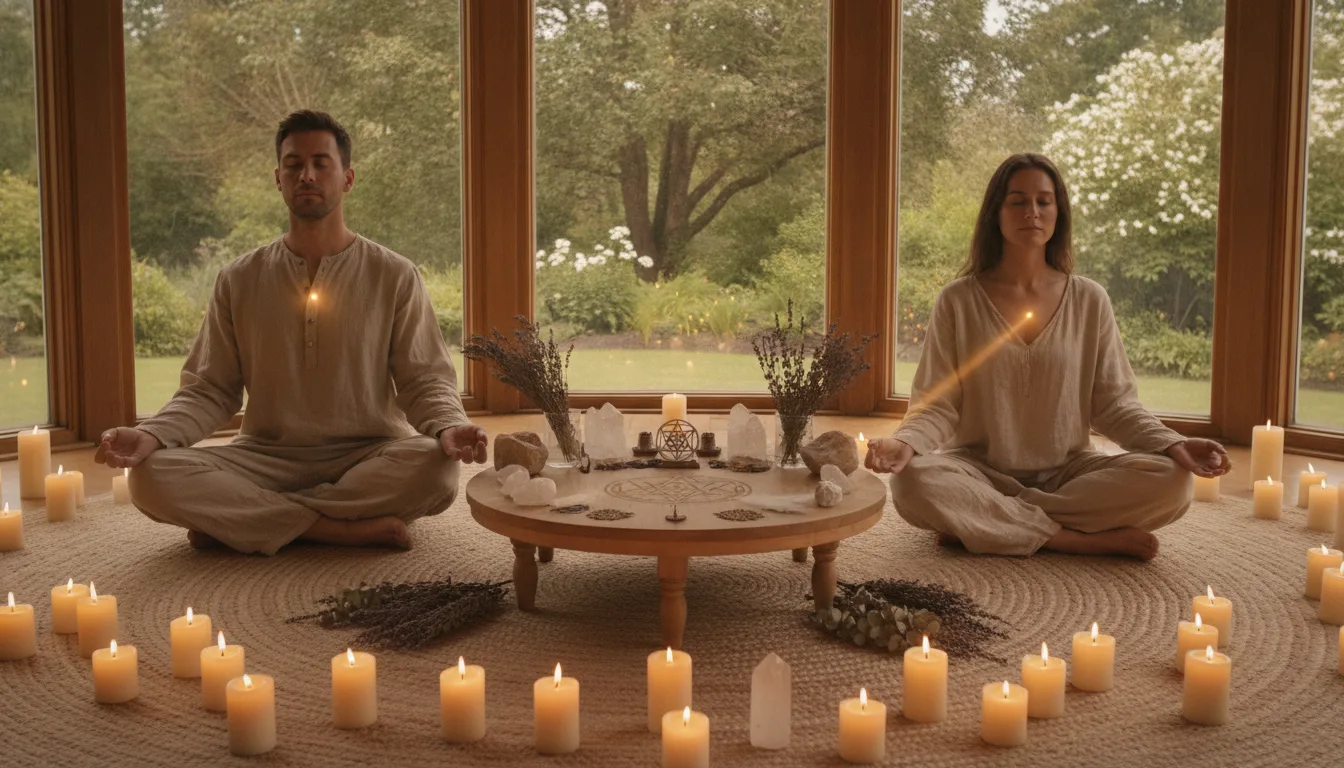
- Preparation: This phase includes setting an intention and creating a safe, sacred space for the practice.
- Breath Work: Focusing on breath helps elevate awareness and create a connection between body and mind.
- Movement: Gentle movements or yoga postures help release energy blockages and promote relaxation.
- Rituals: Involvement in tantric rituals can deepen the experience, fostering spiritual and emotional growth.
- Integration: Finally, reflect on the experience and integrate insights into daily life.
Benefits & Advantages
Tantra therapy offers numerous advantages:
- Emotional Healing: Through its practices, individuals can release past traumas.
- Enhanced Spiritual Connection: Tantra promotes a deeper connection with oneself and others.
- Improved Relationships: As self-awareness increases, interpersonal relationships often become more profound.
- Physical Wellness: The integration of breath and movement supports physical health.
Safety Guidelines & Best Practices
Practicing tantra therapy requires mindfulness and respect for one’s body and emotions:
- Choose a Qualified Practitioner: Ensure the therapist is trained in both tantra and therapeutic practices.
- Set Clear Boundaries: Communicate openly about your comfort levels and boundaries.
- Listen to Your Body: Pay attention to physical and emotional responses throughout the process.
Comparison Table
| Aspect | Traditional Tantra | Modern Tantra Therapy |
|---|---|---|
| Focus | Spiritual enlightenment | Holistic healing |
| Methods | Ritualistic | Therapeutic techniques |
| Community | Group gatherings | Personalized sessions |
| Practice | Ancient texts and rituals | Adapted practices for modern needs |
Expert Tips & Recommendations
To maximize your tantra therapy experience, consider the following tips:
- Do Your Research: Familiarize yourself with the principles of tantra and its therapeutic applications.
- Find the Right Space: Choose a tranquil environment that feels safe and nurturing.
- Be Open-Minded: Embrace the experience without preconceived notions or judgments.
Common Mistakes to Avoid
While engaging in tantra therapy, steer clear of these pitfalls:
- Ignoring Consent: Always respect personal boundaries and ensure mutual agreement in practices.
- Rushing the Process: Take your time to connect deeply with the experience.
- Neglecting Aftercare: Reflect and integrate insights gained during the session for lasting impact.
Comprehensive FAQs
1. What is tantra therapy?
Tantra therapy is a holistic healing approach that integrates ancient tantra practices with modern therapeutic techniques to promote emotional, physical, and spiritual wellness.
2. How do I prepare for a tantra therapy session?
Set a clear intention, create a peaceful environment, and maintain an open mindset for your session.
3. Is tantra therapy suitable for everyone?
While many people can benefit, it’s essential to consult a qualified practitioner to determine suitability based on individual needs.
4. How can I find a tantra therapy center?
Research local options such as the tantra therapy centre in Chennai or Bangalore, consider reviews, and consult with practitioners.
5. Are there any side effects?
While generally safe, emotional releases can sometimes lead to discomfort; it’s essential to have aftercare and support.
6. How often should I engage in tantra therapy?
Frequency can vary; regular sessions may be beneficial, especially when addressing deeper issues.
7. Can tantra therapy enhance relationships?
Yes, it encourages self-awareness and emotional openness, which can significantly improve interpersonal relationships.
8. What should I expect from a session?
A typical session may include breath work, movement, ritualistic elements, and time for reflection. Sessions are tailored to individual needs.
9. Where can I experience tantra therapy?
You can explore options in various locations, including Thiruvananthapuram and Coimbatore.
Conclusion & Next Steps
Exploring the philosophical foundations of tantra through therapy can lead to profound transformation. By understanding its historical roots and modern applications, you can embark on a journey toward holistic well-being. Whether you seek emotional healing, spiritual growth, or improved personal relationships, tantra therapy offers valuable tools. Start your journey today by locating a tantra therapy centre near you and take the first step towards a more fulfilling life.