Featured Snippet
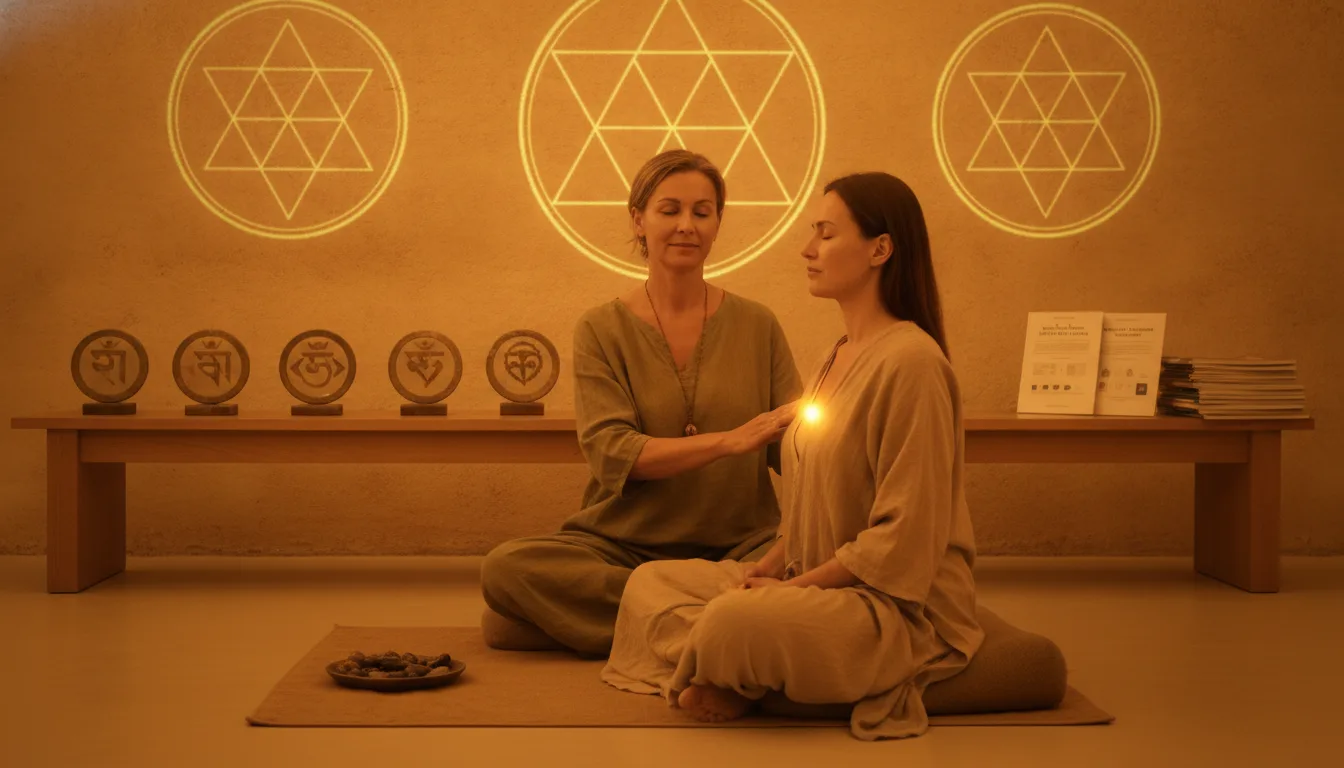
Mindfulness techniques in Tantra therapy focus on deepening self-awareness and emotional healing through practices like meditation, breathwork, and body awareness. These techniques foster emotional balance and inner peace.
Complete Definition & Overview
Tantra therapy combines ancient practices with mindfulness to facilitate emotional healing. At the core of this therapy is the understanding that emotional disturbances can disrupt one's physical and mental well-being. By employing mindfulness techniques, individuals can cultivate a deeper connection with themselves, thereby promoting healing and emotional balance.
Mindfulness techniques involve focused attention and acceptance, encouraging individuals to observe their thoughts and feelings without judgment. In the context of Tantra therapy, these techniques are incorporated to create a holistic approach to emotional wellness.
Step-by-Step Guide / Process
1. **Setting Intentions**: Begin by defining your emotional healing goals. What do you wish to achieve through your practice?
2. **Creating a Sacred Space**: Designate a calm space free from distractions. This can help you focus entirely on your mindfulness practice.
3. **Meditation Practice**: Engage in mindfulness meditation for 10-20 minutes, concentrating on your breath or a specific mantra.
4. **Body Awareness**: Perform body scans to identify areas of tension. Allow your breath to soften those areas.
5. **Breathwork**: Implement specific breathing techniques to enhance emotional release. Techniques such as deep belly breathing can be effective.
6. **Reflection**: After your session, reflect on your experience and emotions that surfaced.
7. **Integrating Lessons**: Try to incorporate the insights gained from each session into your daily life.
Benefits & Advantages
Mindfulness techniques in Tantra therapy offer numerous benefits:
- Enhanced Emotional Awareness: Gain clarity about your emotions.
- Reduction in Anxiety: Lower levels of stress and anxiety through mindfulness.
- Improved Relationships: Develop deeper connections with others.
- Increased Self-Compassion: Embrace self-love and acceptance.
- Holistic Healing: Address physical, emotional, and spiritual well-being.
Safety Guidelines & Best Practices
While practicing mindfulness techniques in Tantra therapy, consider the following safety guidelines:
- Consult a Professional: Engage a professional Tantra therapist for personalized guidance.
- Listen to Your Body: Pay attention to physical sensations and emotions.
- Practice in a Safe Environment: Ensure your practice space is free from distractions.
- Stay Grounded: Use grounding techniques if you feel overwhelmed.
Comparison Table
| Technique | Description | Best For |
|---|---|---|
| Meditation | Focused attention on breath or mantra. | General emotional healing. |
| Body Awareness | Identifying physical tension and stress. | Physical emotional release. |
| Breathwork | Intentional breathing techniques. | Quick emotional regulation. |
Expert Tips & Recommendations
1. **Consistency is Key**: Practice your mindfulness techniques regularly for optimal results.
2. **Journaling**: Keep a journal to document your thoughts and experiences during sessions.
3. **Explore Various Techniques**: Discover different methods to find what resonates with you.
4. **Combine with Physical Practices**: Consider integrating yoga or movement for enhanced body awareness.
5. **Join a Community**: Seek local groups or online forums for support and shared experiences.
Common Mistakes to Avoid
1. **Rushing the Process**: Emotional healing takes time; be patient with yourself.
2. **Neglecting Self-Care**: Ensure to practice self-care outside your sessions.
3. **Ignoring Discomfort**: If certain emotions feel overwhelming, take a step back and ground yourself.
4. **Comparing Yourself to Others**: Focus on your unique journey.
5. **Skipping Professional Guidance**: For deeper emotional issues, consult a professional therapist.
Comprehensive FAQs
- What are mindfulness techniques in Tantra therapy?
They are practices designed to increase emotional awareness and foster healing through focused attention. - How can I start practicing mindfulness techniques?
Begin by setting intentions and creating a calming space for meditation. - Are there any risks associated with these techniques?
Potential risks include overwhelming emotions; always practice with caution. - How long should I practice mindfulness techniques?
Start with 10-20 minutes and gradually increase as you become comfortable. - What if I struggle to focus during meditation?
It’s normal. Gently return your focus to your breath or mantra when you notice your mind wandering. - Can mindfulness techniques help with anxiety?
Yes, they can significantly reduce anxiety levels when practiced regularly. - Do I need a therapist for this?
While not necessary, guidance from a professional can enhance your experience. - What are the benefits of combining mindfulness with Tantra therapy?
This combination can lead to a more holistic healing experience, addressing emotional, physical, and spiritual aspects.
Conclusion & Next Steps
Mindfulness techniques in Tantra therapy provide a rich tapestry of methods for emotional healing. By engaging deeply with these practices, individuals can experience profound benefits such as enhanced self-awareness and emotional balance. For more detailed insight into Tantra therapy, you can read about the six Tantric rituals and their relevance in modern therapy. As you embark on this journey toward emotional well-being, consider seeking the support of a qualified therapist to guide you through the process.